
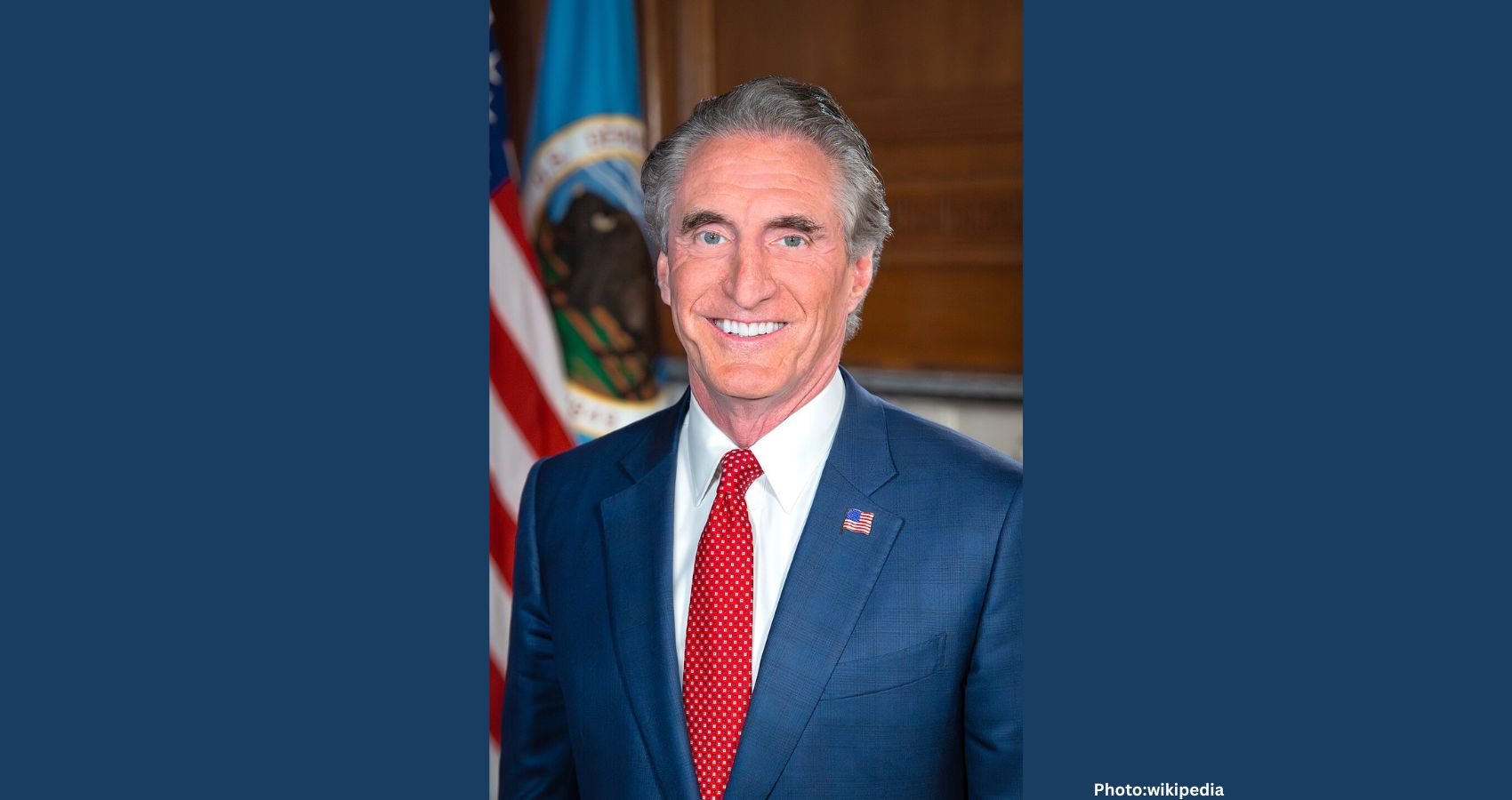
Secretary Doug Burgum’s controversial national park fee plan for foreign visitors has generated over $2 million in new revenue, despite criticism from Democratic lawmakers.
A significant change to the National Park entry fee structure has sparked controversy, with Democrats labeling the initiative as discriminatory. The plan, spearheaded by Secretary of the Interior Doug Burgum, has resulted in a notable increase in revenue for conservation efforts.
In December, Senator Alex Padilla, a Democrat from California, led a letter co-signed by fellow California Senator Adam Schiff and others, condemning the Department of the Interior’s (DOI) decision to raise the annual pass fee for foreign visitors to $250. In contrast, U.S. residents continue to pay an $80 fee. Additionally, nonresident visitors at the most popular parks face an extra $100 charge.
Padilla characterized the fee structure as “discriminatory,” while Schiff and his co-signers raised concerns about the lack of public notice regarding the changes, the potential risks to visitors’ personal information, and the logistical challenges of implementing a tiered fee system when groups of visitors arrive at park entrances.
Despite the backlash, the DOI proceeded with the new fee structure. According to Burgum’s office, the first quarter of 2026 saw more than $2 million collected from foreign visitors as a result of the changes.
DOI press secretary Aubrie Spady defended the initiative, stating, “The millions of dollars in new revenue generated from this administration’s Non-Resident park passes is proof that President Donald J. Trump was right to put affordability for Americans first.” She emphasized that the new pricing model is part of a broader strategy to support conservation efforts funded by foreign visitors.
As the nation approaches its 250th anniversary, Spady highlighted initiatives like the America First pricing and the introduction of the America the Beautiful pass, which features President Trump, as beneficial for both national parks and the American public.
In their letter, Padilla and Schiff expressed additional concerns regarding the impact on “understaffed” park workers and the declining visitation rates from Canadian tourists, which they attribute to tensions between Trump and Canadian Prime Minister Mark Carney. They also questioned how the fee structure would affect visitors unable to provide identification.
Burgum has justified the fee disparity by stating that the DOI and national parks are partially funded by American taxpayers. He argued that the reduced rates for U.S. residents acknowledge their contributions and ensure they continue to have affordable access to national parks, while international visitors help fund the maintenance and improvement of these sites for future generations.
Sales of park passes in the first three months of 2024 reached $13.7 million, increasing to $14.3 million in 2025. By this year, that figure had risen to $16.7 million, with total revenue from nonresident visitors surpassing $4.9 million.
Padilla and Schiff did not respond to requests for comment regarding the ongoing situation.
According to Fox News, the DOI’s approach has sparked a significant debate about access to national parks and the implications of fee structures on tourism and conservation efforts.