
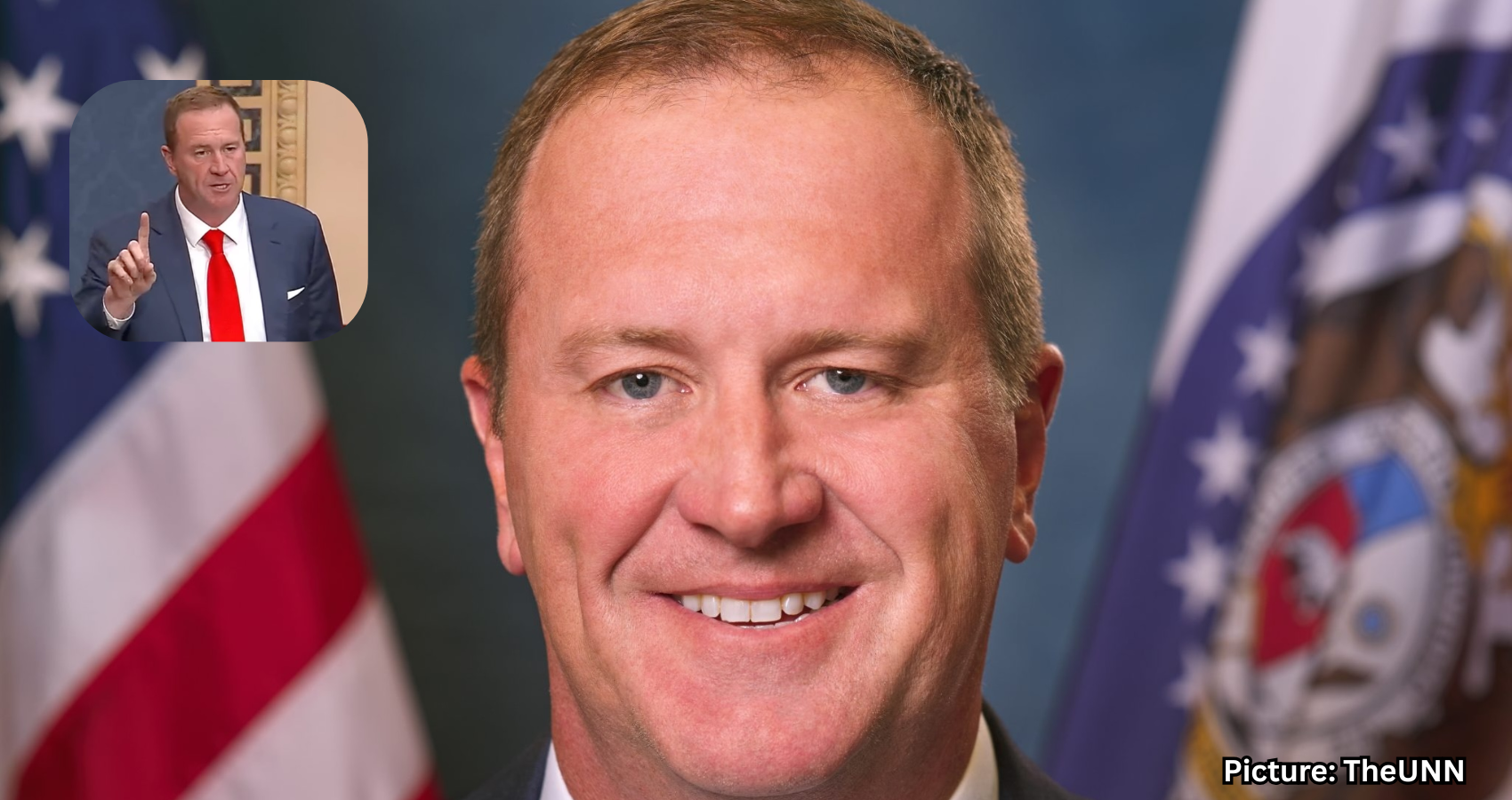
Missouri Senator Eric Schmitt has called for the immediate shutdown of the Optional Practical Training (OPT) program, claiming it unfairly disadvantages American workers by allowing foreign students to take jobs outside their fields of study.
Missouri Senator Eric Schmitt has ignited a political debate over the Optional Practical Training (OPT) program, asserting that it is being misused and detrimental to American workers. In a series of posts on X, Schmitt presented data from immigration authorities, alleging that thousands of OPT visa holders are currently employed in Missouri, many in positions unrelated to their areas of study.
In one of his posts, Schmitt stated, “Update in my fight to dismantle the broken OPT system—ICE just got me the numbers: In Missouri alone, there are 4,430 OPT visas—many working in jobs that are out-of-scope, stealing opportunities from young Missourians.”
The OPT program permits international students in the United States to work temporarily in roles related to their academic fields, with STEM graduates eligible for up to three years of work authorization. However, Schmitt contended that the program is not functioning as intended. He emphasized that “OPT jobs *must* be directly related to the student’s major area of study. And if you’re a STEM major, you get *3-years of work authorization.*”
Schmitt further criticized the program for exempting OPT holders from FICA taxes, which he described as a significant tax subsidy for employers. He argued that these provisions create incentives for employers to favor OPT workers over American graduates, increasing the potential for abuse within the system. “Given that, and considering foreigners utilizing OPT may be desperate for work, it should come as no surprise OPT is often abused,” he wrote.
The senator provided specific examples to illustrate his claims, questioning the appropriateness of certain employment situations. He highlighted a case involving a local Ethiopian restaurant that filed for a STEM OPT employee, asking, “Apparently necessary, degree-related, high skill employers include: A local Ethiopian restaurant, which filed for a STEM OPT employee last year (three-years long). It’s a highly reviewed restaurant, but why does it need a recent grad STEM major? And why not hire American?”
In another instance, Schmitt pointed to an OPT employee working for a small janitorial services company, stating, “That doesn’t seem like a natural fit. OPT often undercuts White Collar work, but it’s also undercutting Blue Collar workers by flooding the market with recent grads looking for any form of employment.”
Beyond individual cases, Schmitt suggested that a broader ecosystem has emerged around the OPT program. He claimed, “Not only that, but a cadre of shady consultants and woke NGOs are cashing in on OPT, teaching foreign students how to game the system. And some are even using foreign student labor in-house to coach the importation of more foreign students and workers.”
He referenced an organization called Vitendo4Africa, which he claimed filed for an OPT and runs programs that offer classes on green card applications, refugee resettlement, and U.S. elections, as well as helping employers solicit newly arrived refugees.
Schmitt concluded his remarks with a strong call for policy action, framing the issue as one that impacts American jobs and families. “Bottom line: OPT is not a student training program. It’s a backdoor jobs program for foreign nationals at the expense of Missouri families and American grads who are still struggling to find work. USCIS, it’s time to shut this down. Missourians first. Americans first.”
His comments come amid heightened scrutiny of immigration and foreign worker programs in the United States, as debates over jobs, wages, and the role of international talent continue to intensify.
According to The American Bazaar, Schmitt’s remarks reflect growing concerns about the impact of foreign worker programs on the American labor market.