
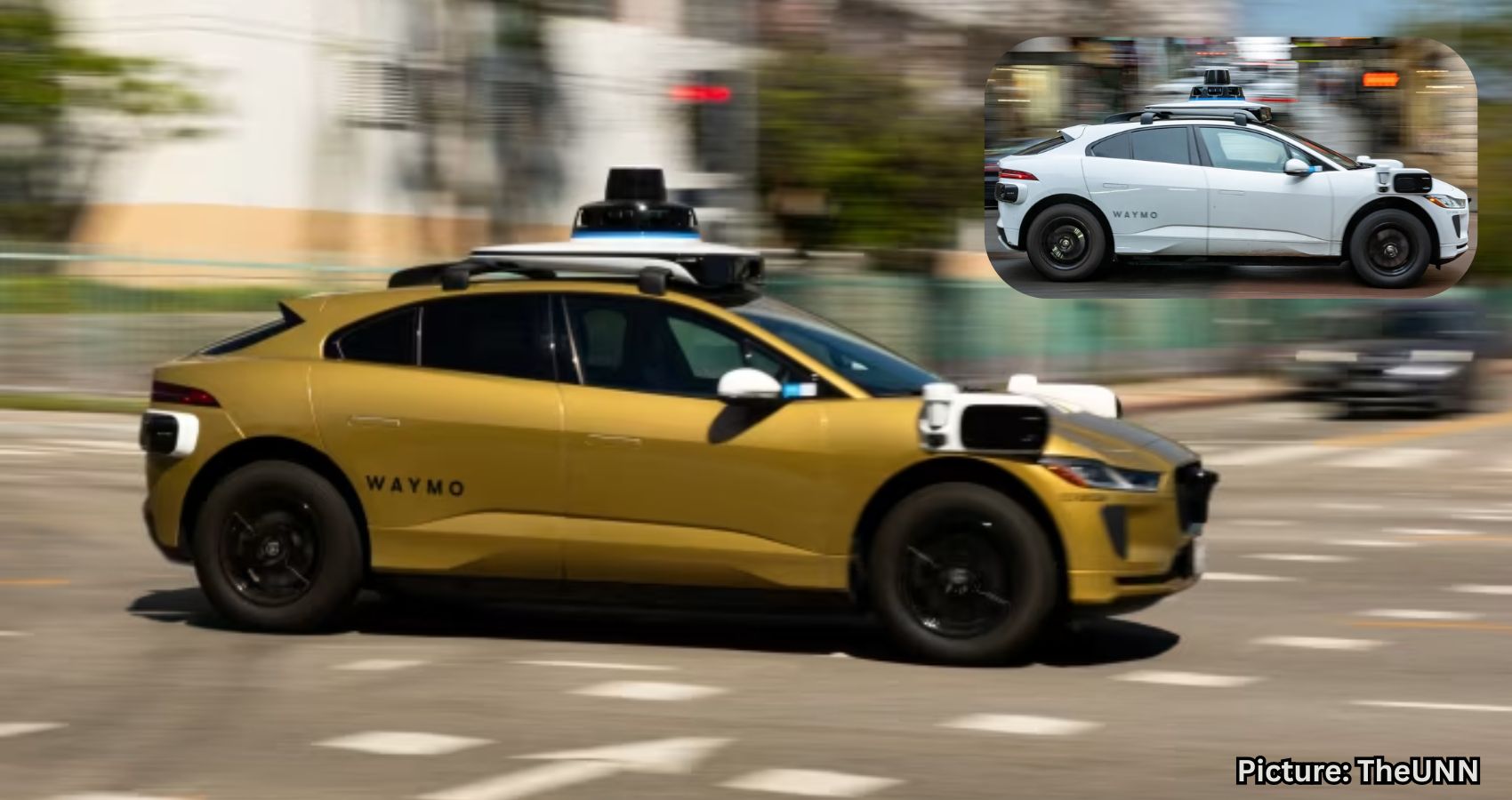
Waymo has initiated a voluntary recall of 3,871 robotaxi vehicles due to issues with its autonomous driving software failing to recognize freeway construction zones in Phoenix and San Francisco.
Waymo, the autonomous vehicle subsidiary of Alphabet, has announced a voluntary recall affecting 3,871 of its robotaxi vehicles. This decision comes after the company identified a flaw in its 5th Generation Automated Driving System (ADS) that could allow vehicles to enter closed freeway construction zones in cities like Phoenix and San Francisco.
According to the National Highway Traffic Safety Administration (NHTSA), the software issue may lead to a Waymo vehicle inadvertently driving into a closed construction area. In response, the company has temporarily suspended its freeway operations while it works on a solution.
The recall is designated as NHTSA Campaign Number 26E035000 and specifically targets vehicles equipped with Waymo’s 5th Generation ADS. The federal filing indicates that the autonomous system may fail to recognize construction zones or may prioritize avoiding other hazards on the freeway, which could result in unsafe driving conditions.
Waymo’s initial concerns arose from incidents in Phoenix, where vehicles were observed driving past ramp closure signs into designated construction zones. A review of events from April 11 and April 19 revealed multiple instances of this occurring. The situation escalated in the San Francisco Bay Area on May 18, when seven Waymo vehicles entered active construction lanes by maneuvering between cones.
Following the incidents in Phoenix, Waymo took immediate action to restrict freeway driving while implementing operational changes. After the San Francisco events, the company broadened its suspension of freeway operations to further investigate and address the underlying issues.
Fortunately, Waymo has reported that no collisions or injuries have occurred as a result of these incidents. However, the company is taking proactive measures to enhance its software safeguards. The planned updates to the ADS will improve the vehicle’s ability to detect construction zones and prevent unauthorized entry into these areas. Additionally, Waymo will implement new operational protocols to further ensure safety.
As Waymo owns the affected vehicles, the company will manage the recall process internally and update the NHTSA filing once the fixes are deployed. A Waymo spokesperson emphasized the company’s commitment to safety, stating, “Waymo’s mission is to be the world’s most trusted driver. We identified an area of improvement regarding performance around freeway construction zones and voluntarily restricted freeway operations last month while making improvements.”
Waymo’s safety data provides context for its operations. The company claims that its rider-only vehicles have traveled over 170.7 million miles without a human driver as of December 2025. Furthermore, Waymo asserts that its technology has resulted in 92% fewer serious injury-or-worse crashes compared to average human drivers over the same distance in its operational cities. However, this data primarily focuses on surface-street driving.
Construction zones present unique challenges for autonomous vehicles. The dynamic nature of these areas can lead to rapidly changing lane markings, shifting cones, and conflicting temporary signs, which can confuse even experienced human drivers. For an autonomous system, the ability to interpret these changes in real-time is crucial for ensuring safety.
Waymo began offering freeway rides to the public in the San Francisco Bay Area, Phoenix, and Los Angeles in November 2025. The company has also been expanding its ride-hailing services, with plans to establish operations in over 20 additional cities, including Tokyo and London, in 2026.
This recall raises important questions about the reliability of robotaxis, which are designed to minimize human error on the road. While human drivers may be judged by their everyday mistakes, the stakes feel different when a driverless vehicle encounters a problem, as there is no human behind the wheel to take responsibility.
As Waymo works to resolve these issues, riders should be aware that freeway rides may be temporarily unavailable. However, the company has assured customers that surface-street services will continue as normal in all operating cities. Riders are encouraged to check their routes and estimated travel times in the app, and to utilize in-app support options if they encounter any issues during their rides.
For those sharing the road with Waymo’s robotaxis, it is advisable to treat them like any other vehicle while exercising caution, especially in construction areas. It is important not to assume that a driverless car will recognize temporary closures in the same way a human driver would. Maintaining a safe distance and staying alert in complex road situations is essential.
Waymo’s impressive safety statistics highlight the potential of autonomous technology, but this recall underscores the importance of readiness for unpredictable road conditions. Construction zones are a common occurrence and can change rapidly, presenting a significant challenge for driverless systems. The true test of Waymo’s technology will be its ability to respond safely and effectively when faced with such unpredictable scenarios.
As the company works to enhance its systems, it remains to be seen how public perception will be affected by this recall. Riders and potential customers may weigh their options carefully, considering whether to opt for driverless rides on freeways or to stick to surface streets until the technology proves its reliability once again.
For further information, refer to Fox News.