
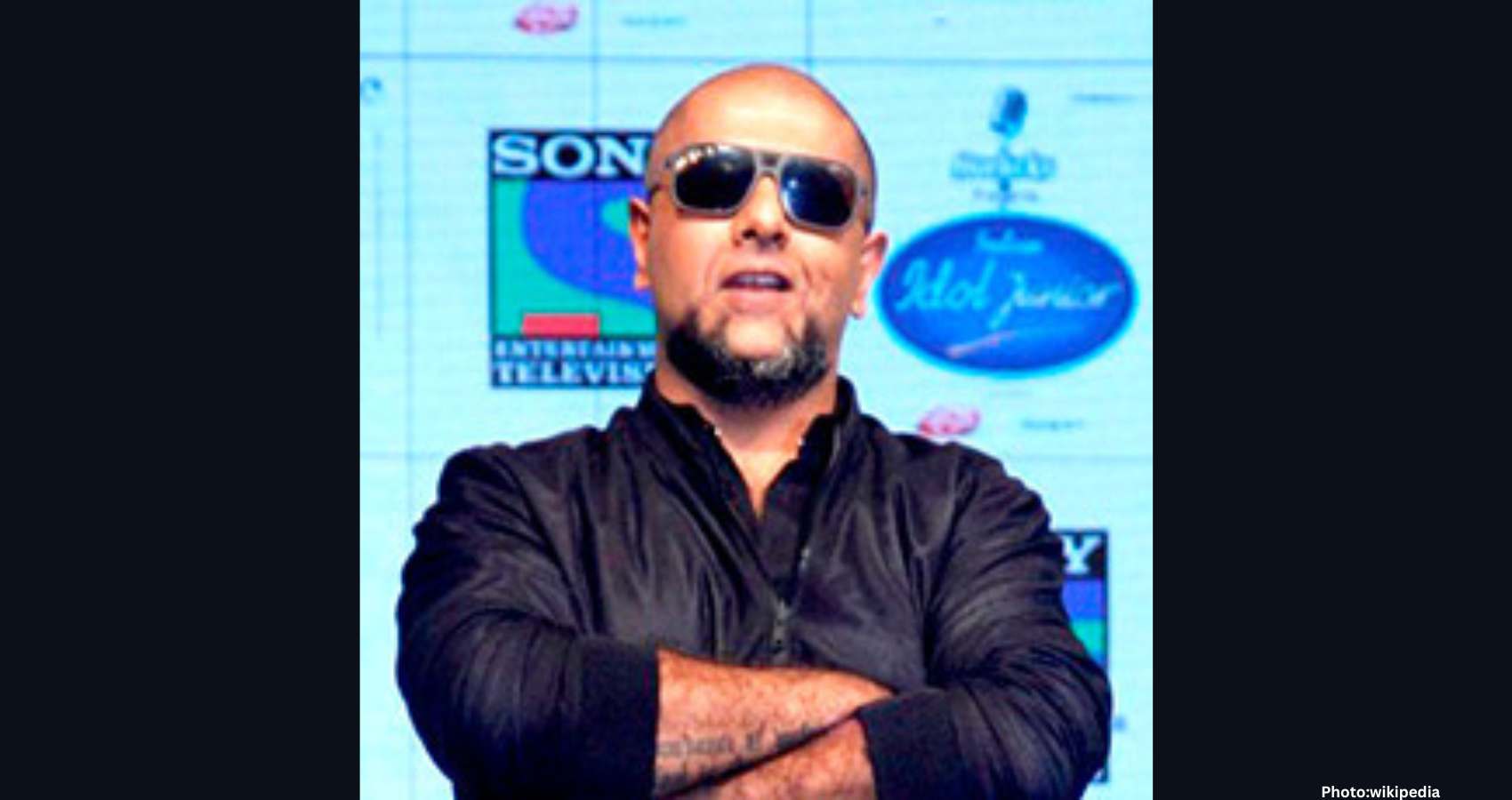
Music composer Vishal Dadlani’s sarcastic remarks about the parliamentary debate on ‘Vande Mataram’ have sparked a discussion on the priorities of lawmakers in addressing pressing national issues.
MUMBAI – Director Prahlad Kakkar has weighed in on music composer Vishal Dadlani’s recent comments regarding the lengthy parliamentary discussion on ‘Vande Mataram.’ Dadlani’s remarks, infused with irony, questioned why symbolic nationalism often takes precedence in legislative discussions while critical issues like unemployment, inflation, education, and healthcare receive less attention.
In his critique, Dadlani did not name any specific individuals but expressed concern over what he views as misplaced priorities within the political landscape. He highlighted the tendency of lawmakers to engage in debates over symbolic matters rather than addressing pressing societal challenges.
Kakkar responded to Dadlani’s comments, stating, “If you take the politics out of a politician, what’s left? They will remain ordinary people. They are politicians, and politics is their job. You have to do something for leadership. All these controversies and statements don’t matter because leaders will just keep being leaders.”
Earlier, Dadlani had remarked, “Hello, brothers and sisters. I have good news for you. Yesterday, our Parliament debated on ‘Vande Mataram’ for 10 hours. ‘Vande Mataram’ is a very famous and well-known song written by Bankim Chandra Chatterjee. People love it.”
He continued, “It was debated in Parliament, and because of this debate, let me tell you, India’s unemployment problem has been solved. The Indigo problem has been solved. The air pollution problem has been solved. Imagine, a debate was held on a poem for 10 hours. These things were not even mentioned, but all these problems have been solved because of this debate. This debate costs Rs 2.5 lakh per minute of your tax money in Parliament. Ten hours means 600 minutes. Count it.”
Dadlani’s comments resonate with a broader liberal critique that suggests patriotism should be evaluated through the lens of governance, accountability, and the welfare of citizens, rather than through symbolic gestures or enforced slogans. While many supporters view his remarks as a defense of free expression and personal choice, critics have accused him of disrespecting national symbols.
This incident has reignited discussions surrounding the tensions between cultural nationalism and constitutional freedoms in public discourse, reflecting the ongoing debate about the role of symbolism in politics and governance.
According to IANS, this episode underscores the complexities of how national identity and priorities are navigated within the political arena.