
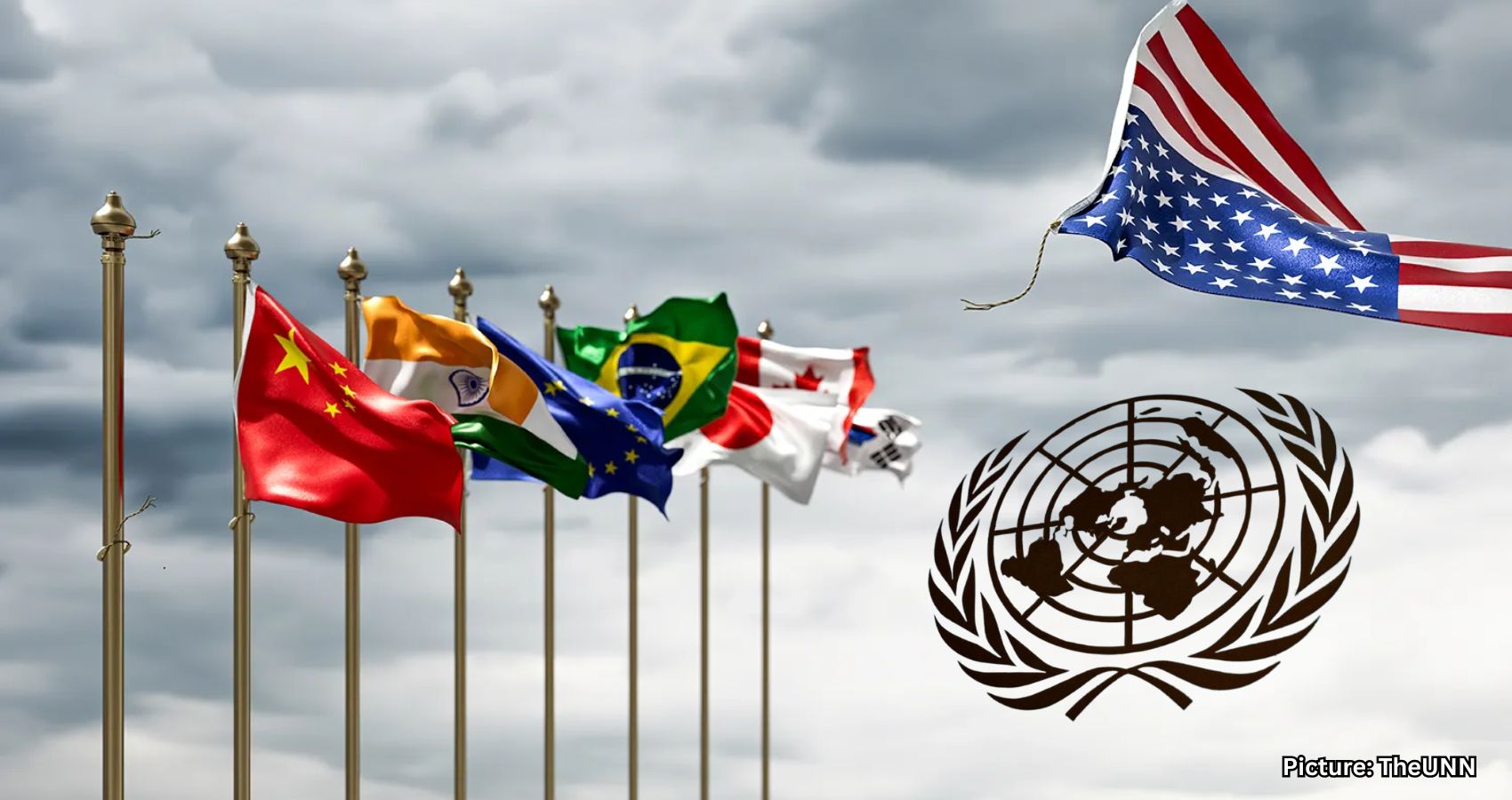
The United States will withdraw from 66 international organizations and treaties, including 31 linked to the United Nations, as part of a strategy to prioritize national interests and reduce costs.
In a significant shift in U.S. foreign policy, President Donald Trump announced on Wednesday evening that the United States will exit 66 international organizations and treaties, with 31 of these associated with the United Nations. This decision marks one of the most sweeping changes in U.S. international engagement in decades.
Trump signed a presidential memorandum directing executive agencies to halt participation and funding for a variety of U.N. and non-U.N. bodies that his administration claims are “contrary to the interests of the United States.” This move follows a year-long review of U.S. involvement in international organizations, which the White House argues no longer serve American national interests, sovereignty, or economic prosperity.
The memorandum encompasses entities focused on critical global issues such as climate change, development, peacebuilding, gender equality, and human rights. Among the organizations affected are the U.N. Framework Convention on Climate Change, the Intergovernmental Panel on Climate Change (IPCC), and various groups addressing gender equity, migration, and democracy.
Administration officials defended the withdrawal as a necessary measure to protect American taxpayers and bolster national sovereignty. Secretary of State Marco Rubio emphasized on social media that these withdrawals would terminate U.S. support for international organizations that promote globalist agendas over U.S. priorities. Officials contend that the targeted agencies are inefficient, redundant, or misaligned with U.S. policy goals.
This decision reflects a broader trend in Trump’s second term of retreating from multilateral cooperation. Previous actions include withdrawing from the World Health Organization, the Paris Climate Agreement, and the U.N. Human Rights Council.
Experts and foreign policy analysts have raised concerns that the U.S. exit could undermine global efforts to tackle shared challenges. Climate scientists, in particular, warn that withdrawing from the U.N. climate treaty framework may hinder international coordination to reduce greenhouse gas emissions, especially given the U.S. status as a leading emitter and major economy. Allies in Europe and Asia have expressed apprehension that this move could embolden rivals and complicate diplomatic cooperation.
Critics of the policy, including human rights advocates and environmental groups, have characterized the withdrawals as a retreat from U.S. leadership on the global stage. Some lawmakers have voiced concerns that stepping back from these organizations could weaken diplomatic ties and cede influence to countries like China, which continue to invest in international cooperation mechanisms.
Supporters of the policy, however, praise the administration’s focus on prioritizing U.S. interests and reducing what they describe as costly entanglements in global bureaucracies. They argue that redirecting funding and attention to domestic priorities will better serve American citizens.
As the formal withdrawal processes commence, the long-term implications for global governance and America’s role in international affairs are expected to unfold in the coming months.
According to The American Bazaar, this decision is poised to reshape the landscape of U.S. foreign policy and international cooperation.