
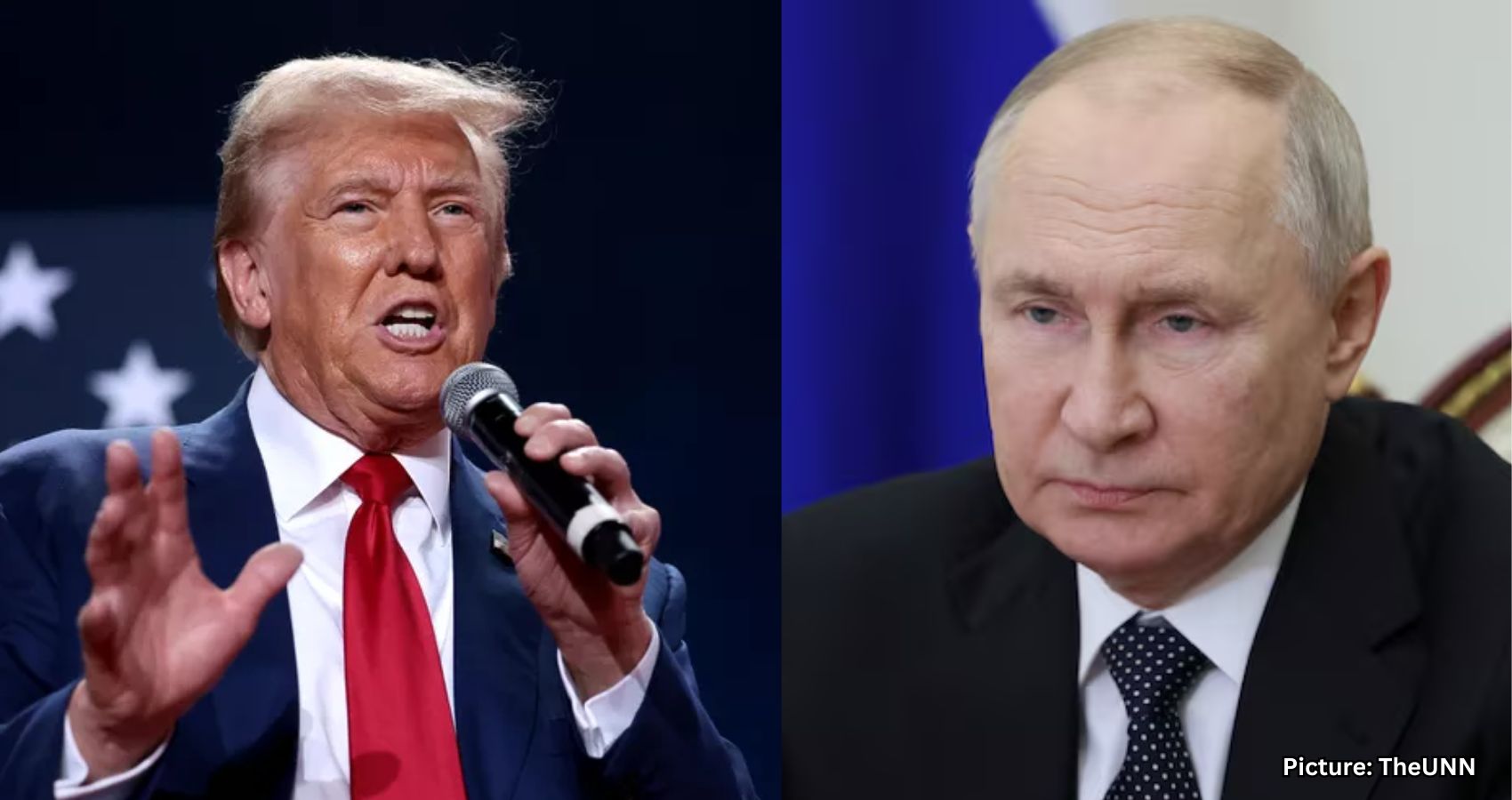
The U.S. is advocating for a new arms control treaty with Russia following the expiration of the New START treaty, raising concerns about global nuclear stability.
The United States has called for a new arms control agreement with Russia after the expiration of the New START treaty, which previously set limits on the deployment of strategic nuclear weapons by both nations. President Donald Trump has expressed interest in establishing a new treaty in light of this development.
The New START treaty officially expired on February 5, marking the end of the last legally binding agreement that capped the number of strategic nuclear weapons held by the U.S. and Russia. Signed in 2010 and extended in 2021, the treaty imposed strict limits on deployed warheads, missiles, and bombers for the two largest nuclear powers. With its expiration, there are currently no formal restrictions on the number of strategic nuclear weapons either country can deploy, raising concerns about potential instability in global security.
In the lead-up to the treaty’s expiration, Russia proposed a voluntary one-year extension to allow time for discussions on a successor treaty. However, President Trump took to social media to advocate for a new treaty instead. Following his remarks, U.S. officials, including Under Secretary of State Thomas DiNanno, publicly supported the idea of negotiating a new arms control agreement.
The U.S. has emphasized the need for a multilateral approach to arms control that could eventually include other nuclear powers, particularly China, in order to prevent destabilizing growth in global nuclear arsenals. While Russia has expressed regret over the treaty’s expiration and indicated a willingness to engage in discussions, China has so far declined to participate in any new negotiations.
During a Disarmament Conference in Geneva, Under Secretary DiNanno stated that extending the New START treaty would not benefit the U.S. or the world, as it was flawed and did not account for China’s growing nuclear capabilities. He remarked, “Today, the United States faces threats from multiple nuclear powers. In short, a bilateral treaty with only one nuclear power is simply inappropriate in 2026 and going forward.”
China’s ambassador on disarmament, Shen Jian, reiterated on Friday that his country would not engage in new negotiations with Moscow and Washington. DiNanno further noted that China is projected to have over 1,000 nuclear warheads by 2030, with Russia supporting its military buildup.
The expiration of the New START treaty marks a pivotal moment in international arms control, underscoring the delicate balance between national security and global stability. With no formal limits in place between the United States and Russia, there is an increased period of uncertainty that could significantly influence the future development, deployment, and modernization of nuclear forces.
Policymakers now face the challenge of navigating a complex strategic environment in which multiple nuclear powers are expanding their capabilities and pursuing independent security agendas. Efforts to negotiate a successor agreement highlight the growing importance of multilateral engagement, transparency, and verification mechanisms in arms control.
Future frameworks may require innovative approaches to include additional nuclear powers while maintaining meaningful limitations on deployed arsenals. How the United States, Russia, and other nuclear states respond to the absence of legally binding limits—whether through restraint, accelerated modernization, or new negotiations—remains uncertain.
The success of any potential new agreements in stabilizing global security and reducing the risk of miscalculation will depend heavily on political will, enforcement mechanisms, and mutual trust among nations. The current environment presents both challenges and opportunities for international cooperation in arms control, emphasizing the need to adapt existing frameworks to a multipolar nuclear landscape while managing uncertainties regarding future actions and commitments.
According to The American Bazaar, the situation underscores the critical need for renewed dialogue and collaboration among nuclear powers to ensure a stable and secure global environment.