
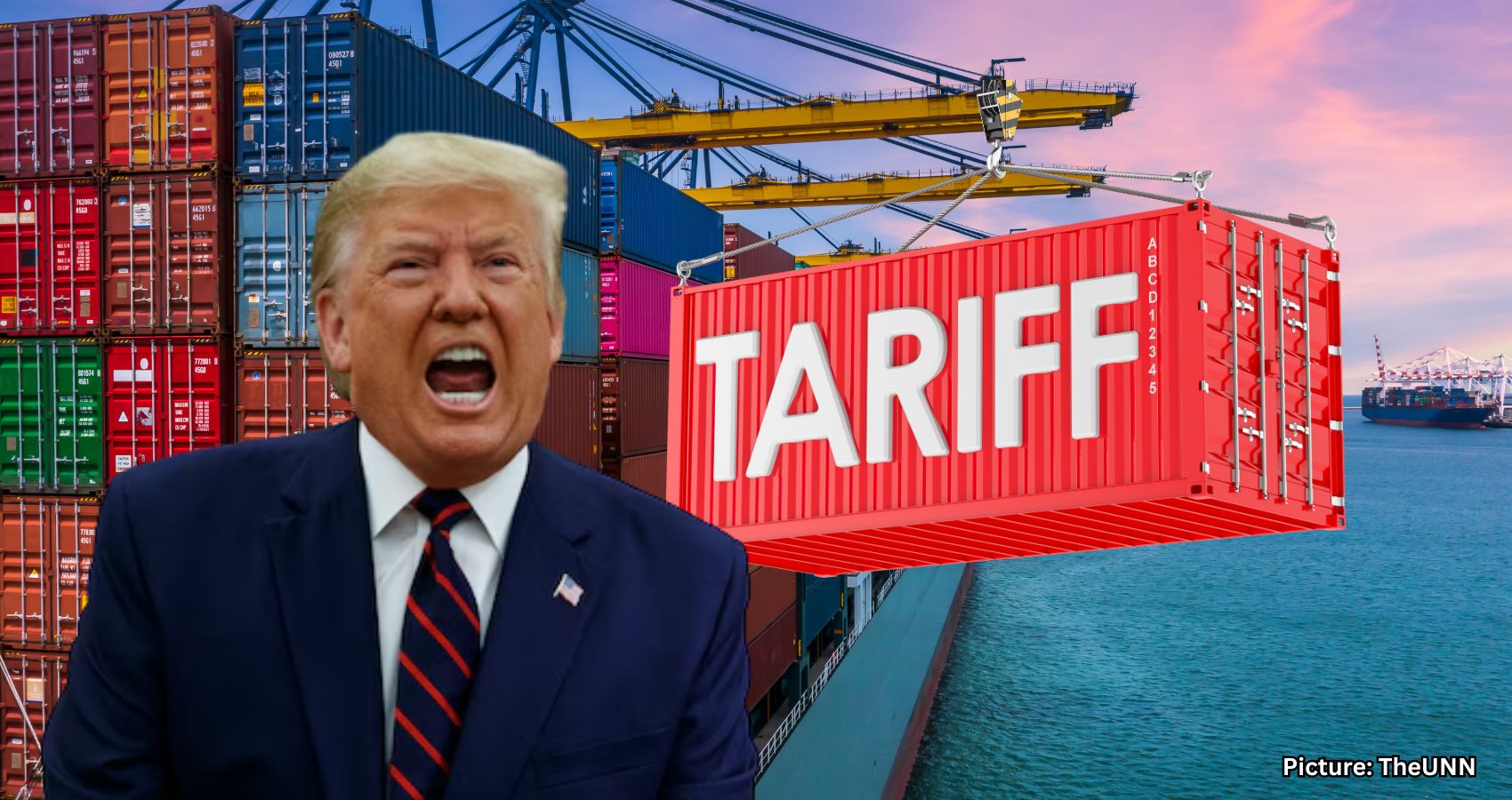
President Trump has declared a national emergency regarding Cuba, accusing its government of collaborating with hostile nations and announcing new tariffs on oil suppliers to the island.
President Donald Trump declared a national emergency over Cuba on Thursday, citing the communist regime’s alignment with hostile foreign powers and terrorist organizations. This declaration comes alongside an executive order that aims to impose new tariffs on countries supplying oil to the island nation.
The executive order states that the actions and policies of the Cuban government pose “an unusual and extraordinary threat” to U.S. national security and foreign policy, with much of this threat originating from outside the United States. In response, Trump has mandated the establishment of a tariff mechanism that will allow the U.S. to impose additional duties on imports from foreign nations that “directly or indirectly sell or otherwise provide any oil to Cuba.”
The White House characterized this move as a significant escalation in U.S. pressure on the Cuban government, aimed at safeguarding American national security interests. In the order, Trump accused Cuba of aligning itself with numerous hostile countries and transnational terrorist groups, specifically naming Russia, China, Iran, Hamas, and Hezbollah.
According to the administration, Cuba is home to Russia’s largest overseas signals intelligence facility, which allegedly attempts to gather sensitive U.S. national security information. The order also highlights Cuba’s ongoing intelligence and defense cooperation with China.
Furthermore, Trump asserted that Cuba “welcomes transnational terrorist groups” such as Hezbollah and Hamas. He also condemned the Cuban government’s human rights record, accusing the regime of persecuting political opponents, suppressing free speech and press freedoms, and retaliating against families of political prisoners who peacefully protest.
“The United States has zero tolerance for the depredations of the communist Cuban regime,” Trump stated in the order. He emphasized that the administration would take action to hold the regime accountable while supporting the aspirations of the Cuban people for a free and democratic society.
Under the new order, the Commerce Department is tasked with determining whether foreign countries are supplying oil to Cuba, either directly or through intermediaries. The State Department, in collaboration with the Treasury, Homeland Security, Commerce, and the U.S. Trade Representative, will decide the extent of the new tariffs if such supplies are confirmed.
Secretary of State Marco Rubio has been assigned to monitor the national emergency and report to Congress, while the Commerce Department will continue to track which countries are providing oil to Cuba.
The White House has stated that the order is designed to protect U.S. national security and foreign policy from the “malign actions and policies” of the Cuban regime. This action is part of Trump’s broader strategy to confront regimes that threaten American interests, building on his first-term Cuba policy that reversed the engagement approach initiated during the Obama administration.
The executive order is set to take effect on Friday. The White House has not yet responded to requests for additional comments regarding this development, according to Fox News.