
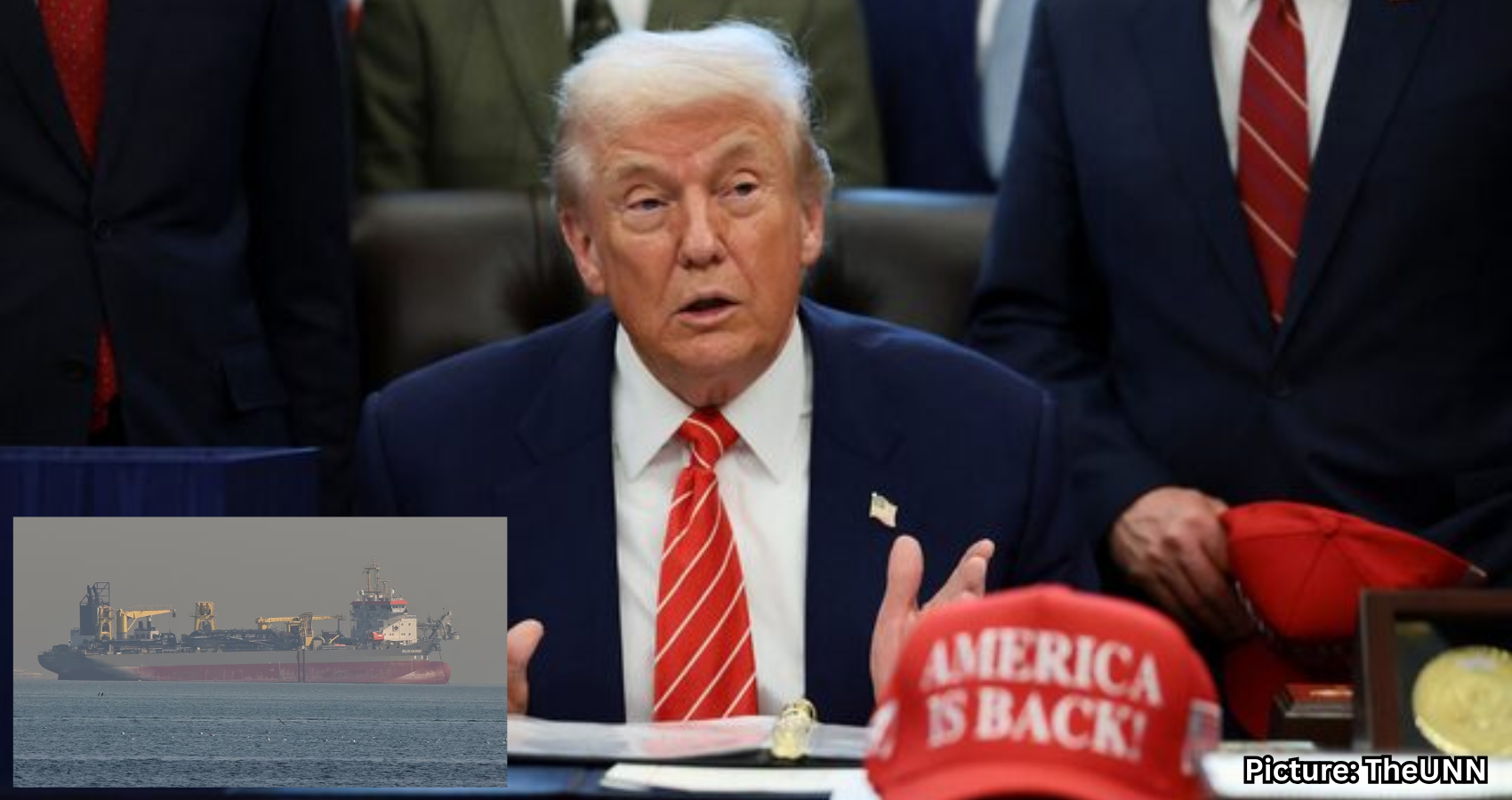
Trump’s sudden ceasefire in the Iran conflict has sparked intense debate over its implications, revealing shifts in regional power dynamics and raising questions about U.S. foreign policy.
A sudden ceasefire announcement by former President Donald Trump has temporarily halted the escalating conflict involving Iran, igniting a fierce debate over the war’s outcomes, costs, and broader geopolitical implications.
The conflict, which included targeted strikes on Iranian oil infrastructure, resulted in significant damage to key facilities, though they remained operational. Despite heavy military engagement, Iran retained control over the strategically vital Strait of Hormuz, a crucial artery for global energy supplies that remained open throughout the hostilities. Analysts suggest that rather than weakening Tehran’s grip, the war may have underscored its influence over global oil routes.
Public commentary, notably from journalist Mehdi Hasan, has highlighted the steep costs of the conflict. Reports indicate that the United States spent approximately $30 million on military operations while suffering 15 military fatalities. In contrast, thousands of Iranians reportedly lost their lives, intensifying humanitarian concerns and drawing global scrutiny.
Media figures such as Piers Morgan and Megyn Kelly have weighed in on the situation, reflecting a broader divide in public and political opinion. Morgan noted that despite the strikes, Iran’s resilience remained evident, stating that the situation “exposed Iran’s global economic and political power.” He emphasized that while oil fields were targeted, they “remain operational,” reinforcing the perception that the campaign achieved limited strategic disruption.
Kelly offered a more critical perspective on the ceasefire itself, describing it as a reluctant necessity. “The deal sounds like a surrender. I favor it; it needed to end,” she stated, emphasizing fatigue with the ongoing conflict. She also pointed out that the war’s conclusion coincided with a halt in hostilities involving Lebanon, suggesting a broader regional cooling, albeit temporary.
The conflict has also revealed shifting internal dynamics within the Middle East. Observers noted that Iranian forces and affiliated groups demonstrated resilience, with Kelly remarking that “Iranians proved to be tough; they have control.” She argued that insurgent networks continue to shape regional power shifts, complicating U.S. military dominance.
At the same time, Trump’s leadership has faced scrutiny for what critics describe as a rapid shift in narrative. Just a day before the ceasefire, the administration projected a more aggressive stance, emphasizing pressure on Iran. The abrupt pivot to de-escalation has raised questions about strategic consistency and decision-making within the White House.
Kelly also highlighted the political ramifications at home, suggesting that the conflict lacked broad bipartisan support. “There wasn’t any support in the war, Republican or Democrat,” she said, adding that even core supporters appeared divided. She pointed to declining backing among key voter groups, arguing that domestic economic concerns are overshadowing foreign policy priorities.
Beyond domestic politics, the ceasefire has unsettled U.S. allies while failing to fully satisfy partners like Israel, which reportedly remains wary of the agreement. Critics argue that Washington may have strained alliances in its handling of the conflict, raising concerns about long-term credibility.
As the dust settles, the Iran conflict appears to have reshaped perceptions more than realities on the ground. While the ceasefire halts immediate violence, it leaves unresolved questions about regional stability, U.S. influence, and Iran’s enduring strategic position. The implications of this conflict will likely resonate in the geopolitical landscape for years to come, as stakeholders reassess their positions and strategies moving forward.
According to The American Bazaar, the ongoing debates surrounding the ceasefire and its aftermath will continue to influence both domestic and international discourse.