
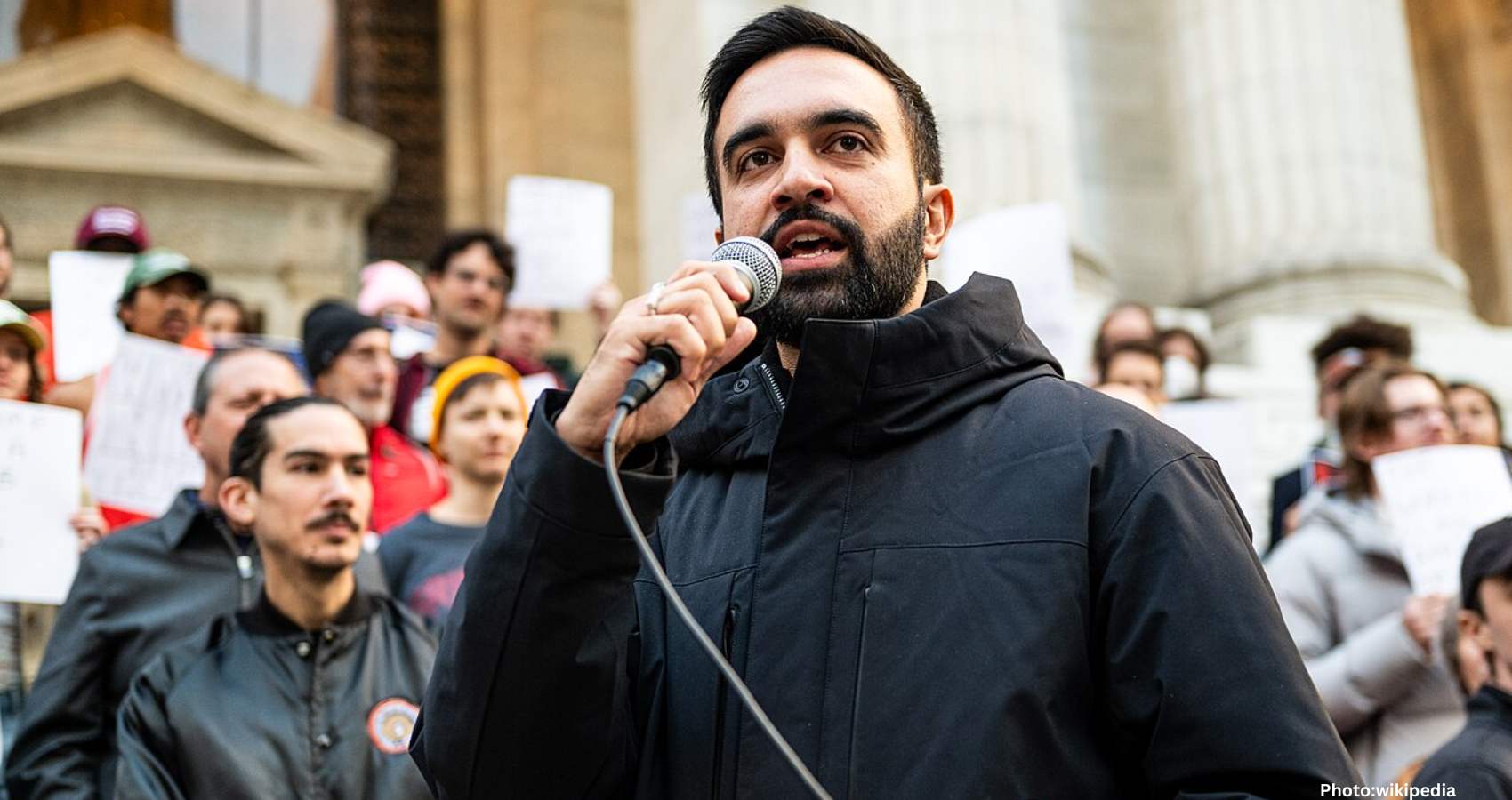
Recent voting data reveals a significant political shift among Indian and South Asian voters in New York City, with a majority supporting candidate Zohran Mamdani in the recent general election.
Recent voting data from New York City’s general election highlights a notable political shift among Indian and South Asian voters, with a strong majority backing Zohran Mamdani. According to available voter polls and precinct-level results, Indian-origin voters played a decisive role in his electoral success.
Mamdani secured approximately 60% of the Asian vote citywide, a significant margin in a highly diverse electorate. This support was particularly pronounced in neighborhoods with large Indian and South Asian populations.
In South Richmond Hill and Ozone Park, often referred to as “Little Punjab,” Mamdani won by 21 percentage points in the general election, a dramatic increase from his 7-point margin during the primary. This shift indicates not only a consolidation of support but also effective voter mobilization efforts.
Similarly, Jackson Heights, one of New York City’s historic South Asian hubs, experienced what analysts described as a “seismic shift.” Mamdani carried the majority of precincts in the area, signaling a growing alignment between his platform and the priorities of South Asian voters.
The New York City metropolitan area is home to an estimated 710,000 Indians and Indian Americans, with an active South Asian electorate estimated at roughly 300,000 voters. Mamdani’s campaign was credited with energizing this base—particularly younger, working-class, and first-time voters, many of whom have traditionally had lower turnout rates.
Campaign organizers and observers noted that this mobilization was not incidental but the result of sustained, targeted outreach efforts.
Mamdani, who has Indian and Ugandan-Indian heritage, ran a campaign deeply rooted in cultural familiarity and economic messaging. His mother, the internationally acclaimed filmmaker Mira Nair, further elevated his visibility within Indian-American households.
Cultural outreach was a central pillar of his strategy. Mamdani released campaign videos in Hindi and Punjabi, made frequent visits to Gurdwaras and Mandirs, and incorporated South Asian cultural symbols into public events. His election-night victory speech famously featured the Bollywood track “Dhoom Machale,” reinforcing cultural resonance with younger Desi voters.
Equally important was his policy focus on affordability. Exit polls and post-election analyses suggest that Indian voters—like many other New Yorkers—were drawn to his “Mandate for Affordability,” which prioritized housing costs, healthcare access, transportation, and cost-of-living concerns over traditional party loyalties or establishment endorsements.
Mamdani also benefited from institutional backing within the Indian-American political ecosystem. He received the endorsement of the Indian American Impact Fund, which helped mobilize over $20 million in resources toward South Asian voter engagement and candidate support nationwide.
This support translated into coordinated grassroots organizing, multilingual voter education, and turnout efforts that proved decisive in key precincts.
The election results underscore a broader trend: Indian and South Asian voters in New York City are no longer a passive or predictable voting bloc. Instead, they are increasingly issue-driven, culturally engaged, and willing to support candidates who speak directly to their lived realities.
Mamdani’s victory illustrates how targeted outreach, cultural fluency, and a clear economic message can reshape political participation and redefine assumptions about the Indian-American vote in urban America, according to AP Voter Poll.