
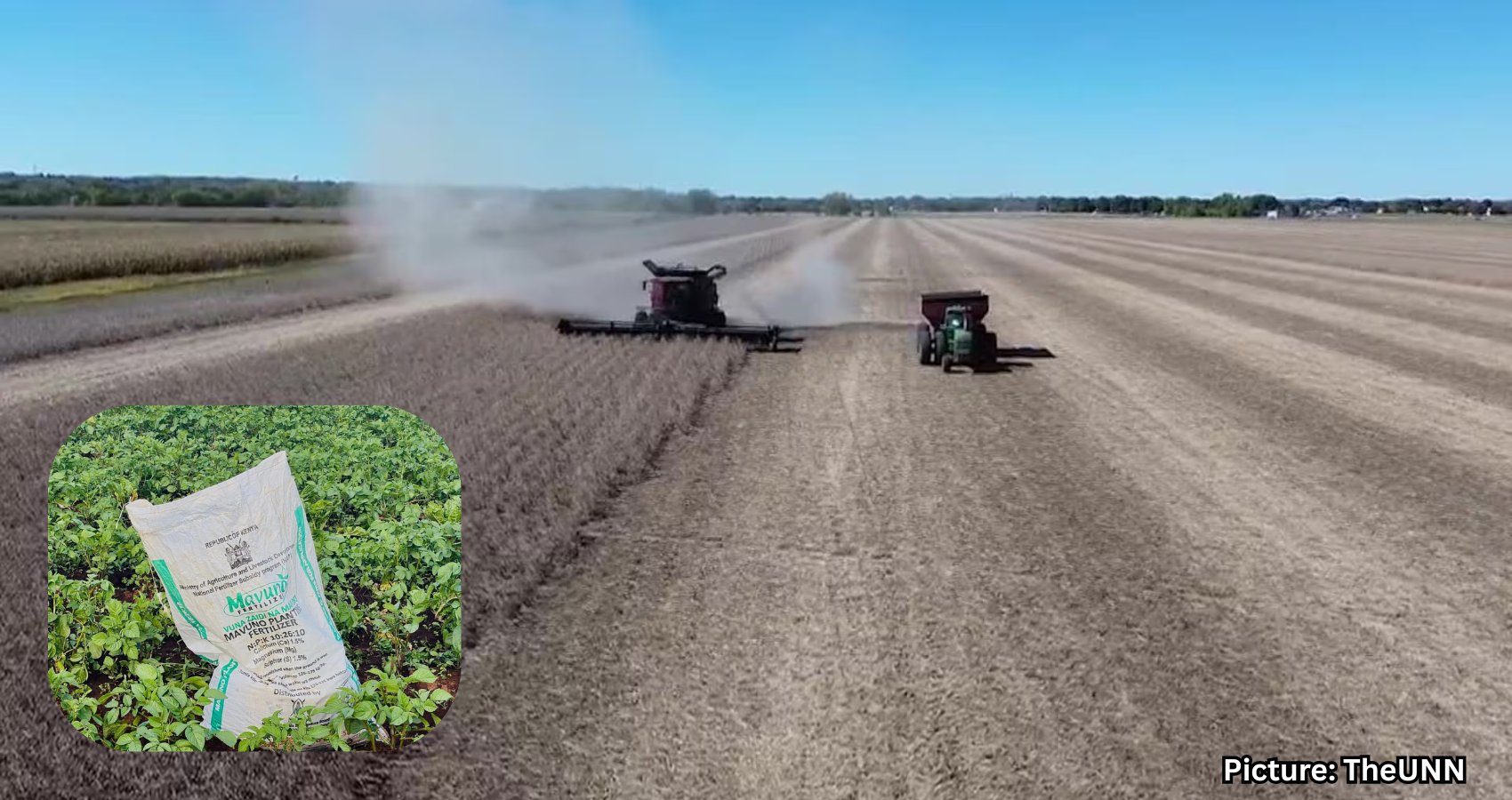
Escalating fertilizer prices linked to the ongoing conflict in Iran are raising global food security concerns as farmers prepare for critical planting seasons.
As farmers gear up for crucial planting seasons, rising fertilizer prices driven by the conflict in Iran have sparked warnings about potential food insecurity worldwide. Farmers in the Northern Hemisphere are entering a pivotal period marked by the onset of spring fieldwork, while those in the Southern Hemisphere are wrapping up their harvests before winter. However, this agricultural activity is overshadowed by significant disruptions in fertilizer supply chains resulting from the ongoing conflict, which has led to alarming price increases and heightened concerns over future food security.
According to the United Nations, approximately one-third of the global seaborne fertilizer trade transits through the Strait of Hormuz, a vital shipping route adjacent to Iran’s southern border. Since hostilities escalated following U.S. and Israeli military actions against Iran beginning on February 28, 2026, there have been severe disruptions in maritime traffic, with reports of vessels being targeted by projectiles in the region.
As a consequence, fertilizer prices have surged dramatically. Analysts in the agricultural sector have noted significant spikes, particularly in the cost of granular urea, a key nitrogen fertilizer. Prior to the conflict, the price of fertilizer delivered from Egypt ranged from $400 to $490 per metric ton; however, this figure has now soared to approximately $700 per metric ton. Reports from Oxford Economics indicate that prices for urea and ammonia have increased by roughly 50% and 20%, respectively, since the onset of the conflict, with other fertilizers such as potash and sulfur also experiencing notable price hikes.
The Middle East plays a crucial role in the global fertilizer market, being a substantial exporter of urea and nitrogen products. Chris Lawson, Vice President of Market Intelligence and Prices at CRU, emphasized that the disruption of the Strait of Hormuz has rendered a significant portion of global fertilizer supply unavailable. Lawson estimated that nearly 30% of exportable nitrogen fertilizer supplies, including those from Saudi Arabia, Qatar, Bahrain, and Iran, are currently inaccessible.
Given that Iran is one of the largest producers and exporters of nitrogen-based fertilizers worldwide, the ongoing conflict poses a serious threat to global food production. Lawson highlighted that nitrogen is essential for crop growth, indicating that a lack of access to urea could lead to decreased crop yields. He stated, “If farmers aren’t able to get the urea that they need, crop yields will inevitably go lower. There will be inventories that can be drawn down, so you’re not really going to see an impact on crop yields and a loss of crop production until later in the year.”
Dawid Heyl, a co-portfolio manager at Ninety One, noted that nitrogen fertilizers are particularly critical at this time. He pointed out that unlike other fertilizer types such as potash and phosphates, nitrogen must be applied every year for optimal crop production. Heyl expressed heightened concern about the current situation, comparing it unfavorably to the fertilizer crisis triggered by the Russia-Ukraine conflict in early 2022, which had already caused significant volatility in the market. He stated, “This, to me, is starting to feel like it could be worse, because it could really have an impact on agricultural yields across a lot of geographies, and across the major crops such as maize and others.”
Sarah Marlow, Global Head of Fertilizer Pricing at Argus, corroborated Heyl’s concerns, asserting that the crisis in the Middle East may have a more pronounced impact on fertilizer trade than the previous conflict in Ukraine. She noted that nearly 50% of all globally traded sulfur originates from the region, along with a third of urea and close to 25% of ammonia. Marlow warned that the disruption in exports from key producers, such as Saudi Arabia, Kuwait, Qatar, Iran, and the United Arab Emirates, could exacerbate existing shortages and lead to further price increases.
The ramifications of rising fertilizer prices extend beyond agricultural producers, raising serious food security concerns globally. Heyl remarked that while farmers in developed countries may have enough buffer stocks to mitigate immediate shortages, poorer nations, particularly in regions like East Africa and India, may experience significant vulnerabilities. He stated, “Unfortunately, the poorer countries in the world are quite often more exposed to these crises,” indicating that nations heavily reliant on imported grains, such as many African countries, could face challenges.
Moreover, the United States, despite its substantial domestic fertilizer production, is not immune to the effects of these price hikes. Approximately one-third of the nitrogen, phosphate, and potash fertilizers utilized in the U.S. are imported. Heyl warned that rising fertilizer costs could lead to inflationary pressures on American farmers, potentially resulting in shortages or rationing in certain regions.
In a recent appeal, 54 agricultural organizations urged President Joe Biden to provide market relief for farmers facing surging prices for fuel and fertilizers. As the planting season intensifies across the U.S., the ongoing conflict in Iran continues to pose significant risks to the stability of global agricultural supply chains, with potential long-term implications for food security both domestically and internationally, according to Source Name.