
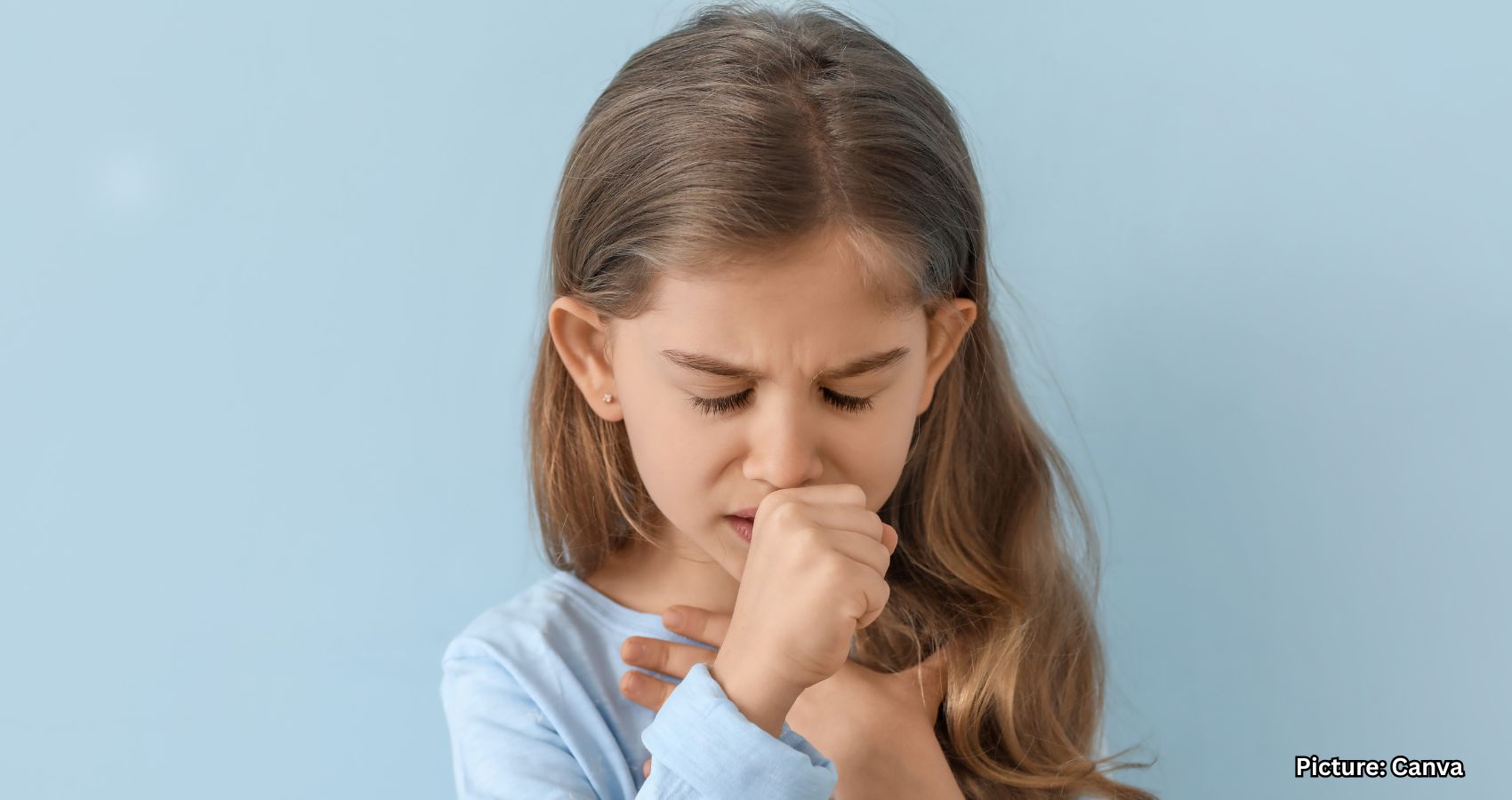
Rates of whooping cough are surging in several U.S. states, driven by declining vaccination rates and waning immunity, posing significant risks to infants and young children.
Rates of pertussis, commonly known as whooping cough, are experiencing a notable surge across the United States, particularly in states such as Texas, Florida, California, and Oregon. This alarming trend is attributed to a combination of falling vaccination rates, diminishing immunity, and delays in public health tracking systems, as reported by state and federal health officials. Infants who are too young to be fully vaccinated are at the highest risk of severe complications from the disease.
Demetre Daskalakis, a former head of the Centers for Disease Control and Prevention’s (CDC) immunization program, emphasized the cyclical nature of pertussis outbreaks. “Pertussis cases increase in a cyclical fashion driven by waning immunity, but the size of the outbreak and the potential for severe outcomes in children who cannot be vaccinated can be mitigated by high coverage and good communication to folks at risk,” he stated.
Historically, before the introduction of the first pertussis vaccine in the early 1900s, whooping cough was one of the most prevalent childhood diseases and a leading cause of childhood mortality in the United States. Currently, children receive a series of DTaP shots, starting at two months of age, while teens and adults receive a Tdap booster every ten years. Both vaccines also protect against diphtheria and tetanus.
Vaccination rates had been relatively stable, with approximately 80% of toddlers receiving the recommended four doses of the DTaP vaccine by age two. However, the COVID-19 pandemic has led to a decline in vaccine coverage, exacerbated by an increase in nonmedical exemptions in various states. This has resulted in immunity gaps, where the proportion of immune individuals falls below the threshold necessary to contain the spread of the disease.
In Texas, the number of reported pertussis cases has surged dramatically, with 1,928 cases logged in 2024 and exceeding 3,500 by October 2025. Nationally, the statistics are equally concerning; in the first three months of 2025, the U.S. recorded 6,600 cases—four times the rate of the previous year and 25 times that of 2023. Several states are witnessing their highest case totals in a decade, indicating that this surge is not confined to specific regions.
One contributing factor to this increase is a recent Texas law that simplifies the process for parents to claim nonmedical exemptions from school vaccine requirements. Parents can now download exemption forms online, which are sent directly to schools rather than health departments, complicating tracking efforts. Phil Huang, Director of Dallas County Health and Human Services, noted a significant drop in vaccination rates during the back-to-school season, a trend he attributes to this new exemption rule.
Huang also highlighted that fear of immigration enforcement may deter some families, particularly those in the Hispanic community, from seeking vaccinations. With Dallas County being approximately 40% Hispanic, he expressed concern that many families might be avoiding healthcare services due to fears related to Immigration and Customs Enforcement (ICE) activities.
While vaccines are effective in preventing severe disease, their protective effects against infection diminish over time. The U.S. transitioned from whole-cell pertussis vaccines to acellular vaccines in the 1990s, which, while causing fewer side effects, do not provide long-lasting immunity. As a result, many adults who received the acellular vaccine as children may have lost their immunity and could unknowingly transmit the infection to infants.
Infants under one year old are particularly vulnerable to whooping cough, with some experiencing severe coughing fits that can lead to breathing cessation. Hospitalization is often required, and approximately one in five affected infants develops pneumonia, with a mortality rate of about 1%.
To mitigate these risks, the CDC recommends that pregnant women receive a Tdap vaccine during each pregnancy, allowing antibodies to be passed to the baby before birth. Although the strategy of “cocooning,” which involved vaccinating all family members and caregivers around the infant, was once promoted, it has become less practical and is no longer widely recommended. Vaccination of pregnant women and timely immunization of infants at two months remain the most effective protective measures.
Advancements in modern PCR testing have also contributed to the increased detection of pertussis cases. Many clinics now utilize lab-based technology to test for multiple respiratory infections simultaneously, including pertussis. While this improved testing explains part of the rise in reported cases, the significant number of infant hospitalizations and widespread outbreaks indicate a genuine increase in transmission rates.
Another growing concern is the emergence of antibiotic-resistant strains of pertussis. While macrolide antibiotics, such as erythromycin, azithromycin, and clarithromycin, are typically effective in treating the illness, resistance has been reported in other countries, particularly in China and Peru. Although resistant cases remain rare in the U.S., CDC officials warn that international travel could facilitate the spread of these strains.
As the resurgence of whooping cough continues, health experts emphasize the need for a multifaceted approach to address the complexities of the situation. Clinicians are being advised to maintain a high index of suspicion for pertussis, particularly in patients, especially children, presenting with persistent coughs or coughing fits followed by vomiting. Immediate care is critical for infants who exhibit breathing difficulties.
Obstetricians are encouraged to discuss the importance of the Tdap vaccine during every pregnancy, while pediatricians and family doctors are urged to verify booster status for teens and adults. In response to the rising cases, several states, including Texas, have issued health advisories urging clinicians to remain vigilant.
As the holiday season approaches, experts recommend that families with newborns take extra precautions. They should ensure that infants and children are up to date with their vaccinations and that all family members are vaccinated against influenza, COVID-19, and respiratory syncytial virus (RSV). Additionally, keeping sick visitors away and seeking prompt medical attention for infants showing signs of respiratory distress are crucial steps in protecting the youngest and most vulnerable members of the community.
Source: Original article