
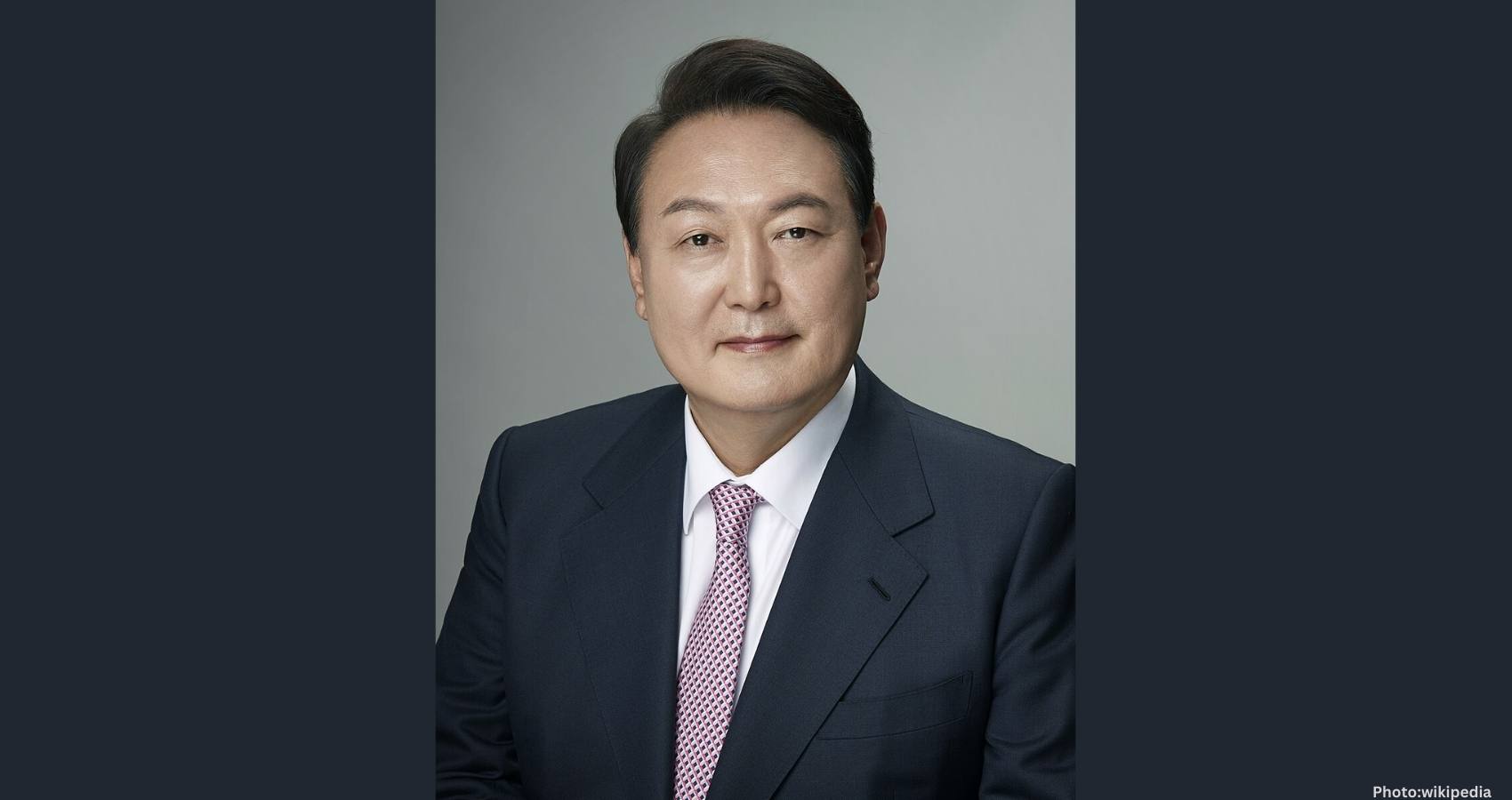
Prosecutors in South Korea are seeking the death penalty for former President Yoon Suk Yeol, accusing him of rebellion related to his controversial martial law declaration in December 2024.
An independent counsel has called for the death penalty for former South Korean President Yoon Suk Yeol, citing rebellion charges connected to his contentious martial law decree.
During a court hearing on Tuesday, prosecutors presented their case against Yoon, alleging that he orchestrated a rebellion through the martial law declaration made in December 2024. Independent counsel Cho Eun-suk urged the Seoul Central District Court to impose the death sentence, characterizing Yoon’s actions as “anti-state activities” and labeling the decree a “self-coup.”
Yoon, a conservative leader who was ousted from office last spring, remains in custody as he faces multiple criminal proceedings linked to the martial law incident and other controversies from his presidency. Prosecutors assert that the rebellion charge carries the most severe potential punishment.
In court, Cho’s team argued that Yoon aimed to extend his grip on power by undermining South Korea’s constitutional governance. Yoon has vehemently denied these accusations, describing the investigations into his actions as “frenzied” and characterized by “manipulation” and “distortion.”
He contends that the martial law declaration was a necessary response to what he perceived as a growing threat from the opposition Democratic Party, which utilized its legislative majority to obstruct his political agenda. Yoon maintains that exercising presidential emergency powers should not be construed as rebellion under the law.
The court is expected to announce its verdict next month. Legal experts suggest that a life sentence is more likely than execution, especially considering that South Korea has not carried out a death penalty since 1997.
Yoon is the first South Korean president to face the possibility of a death penalty after leaving office since Chun Doo-hwan, who was sentenced to death in 1996 for various crimes. Chun’s death sentence was later commuted to life in prison, and he was ultimately pardoned and released.
According to The Associated Press, the outcome of this case could have significant implications for South Korea’s political landscape and the legal precedents surrounding presidential powers.