
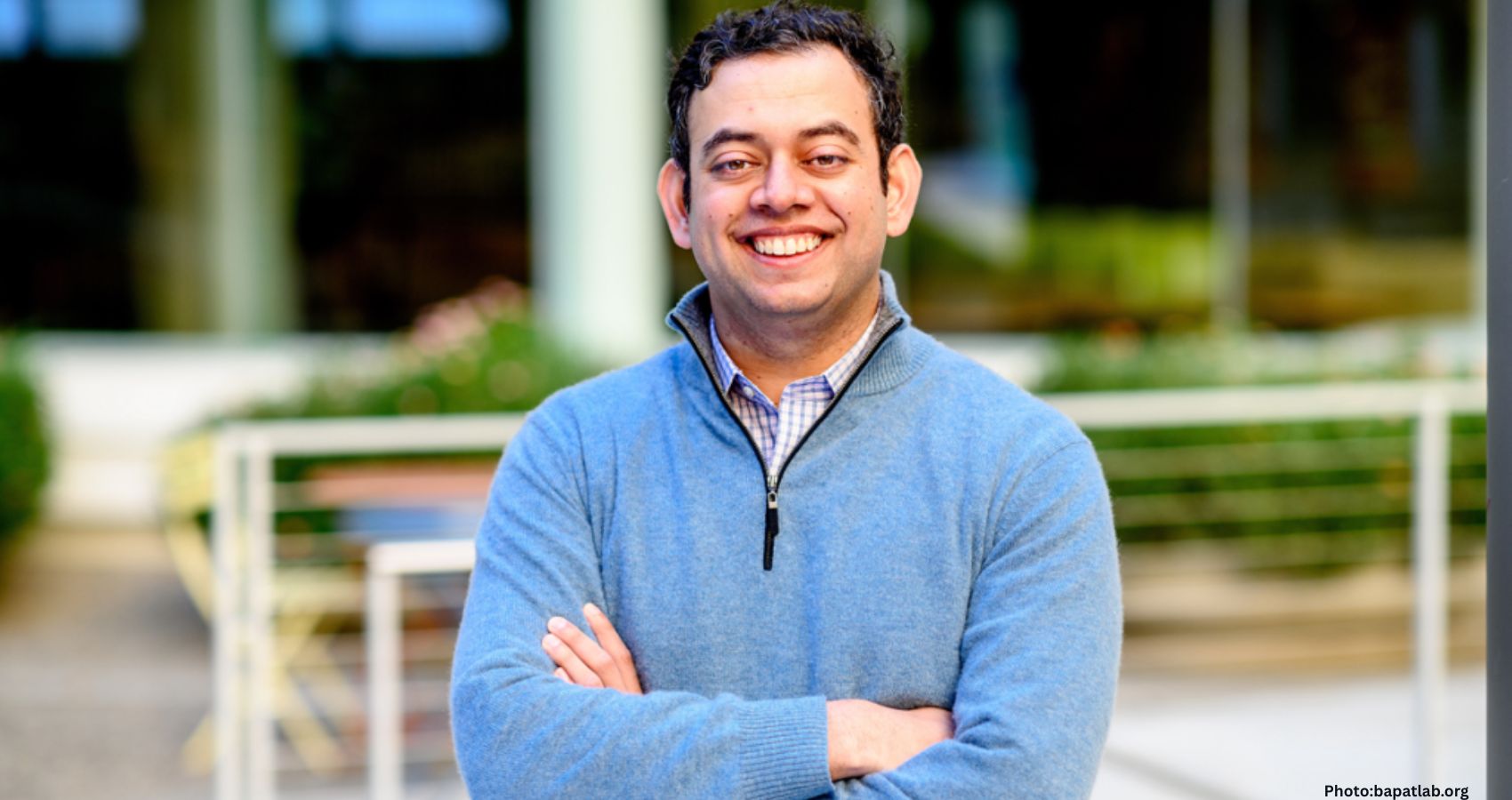
Sagar Bapat, an Indian American researcher, has received the 2026 Pathway to Stop Diabetes Award for his innovative T cell-based therapy aimed at combating obesity-induced diabetes.
Sagar Bapat, an Indian American researcher at the University of California, San Francisco, has been awarded the prestigious 2026 Pathway to Stop Diabetes Award by the American Diabetes Association (ADA). His research focuses on developing a novel type of living T cell-based therapy designed to address obesity-induced diabetes.
Bapat’s innovative approach seeks to enhance the thermogenic function of adipose tissue, utilizing targeted cellular therapy and CRISPR technology to create durable, preventative interventions against diabetes linked to obesity. “This award will enable us to pursue a novel type of living T cell-based therapy aimed at modulating adipose tissue function to promote metabolic health,” Bapat stated. “By harnessing the unique mobility and functional versatility of T cells, our goal is to restore healthy tissue function and improve insulin sensitivity in metabolic and inflammatory diseases.”
The Pathway to Stop Diabetes program provides critical funding to early-career scientists who demonstrate exceptional innovation and creativity in their research. Bapat is among seven recipients of the latest awards, which total $11.3 million. This funding allows researchers to explore new ideas without the constraints typically associated with traditional project funding.
<p”Diabetes research is vital to improving the lives of people living with diabetes and ultimately finding a cure,” said Rita Kalyani, the ADA’s chief scientific and medical officer. “The ADA is proud to foster new medical breakthroughs and support early-career investigators who are conducting innovative, high-impact diabetes research. Congratulations to these pioneering scientists.”
Bapat’s work is particularly significant given the rising prevalence of obesity and type 2 diabetes, which is a leading cause of mortality in the United States. The connection between obesity and diabetes is well-established, as obesity is the predominant risk factor for developing insulin resistance and diabetes.
Obesity often arises from a complex interplay of physiological and socioeconomic factors that individuals may find difficult to overcome. In simple terms, obesity results from excessive energy storage in the body. Bapat believes that this condition could potentially be mitigated by activating the body’s dormant systems for burning energy rather than storing it.
To achieve this, Bapat and his team plan to engineer fat-localizing regulatory T cells (Treg cells) that can send signals to convert energy-storing adipose tissue into energy-burning adipose tissue. This innovative approach aims to reverse or prevent obesity and insulin resistance, initially in mice and eventually in humans.
Bapat’s academic background is impressive. He earned his bachelor’s degree from Stanford University in 2009, completed his MD-PhD at the University of California, San Diego, and the Salk Institute for Biological Studies in 2017, and finished a residency in clinical pathology at UCSF in 2020.
As the fight against diabetes continues, Bapat’s research represents a promising step forward in developing effective therapies that could significantly improve metabolic health and quality of life for millions affected by obesity and diabetes.
According to The American Bazaar, Bapat’s innovative work is set to make a lasting impact on diabetes research and treatment.