
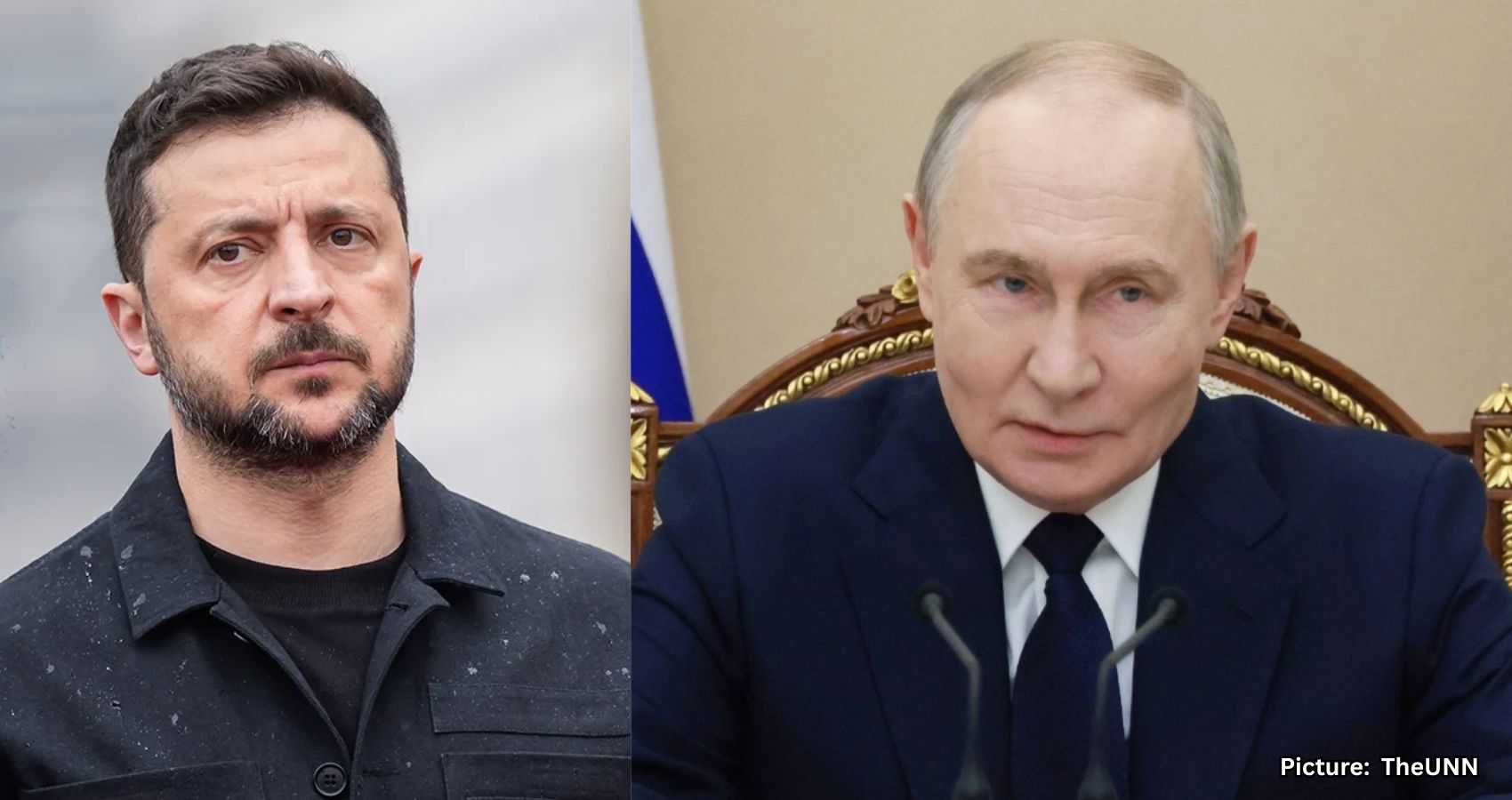
U.S., Ukraine, and Russia engage in trilateral talks in Abu Dhabi, focusing on territorial disputes as pressure mounts for a peace deal to end the nearly four-year conflict.
In a significant development, the United States, Ukraine, and Russia are convening in Abu Dhabi, United Arab Emirates, to address one of the primary obstacles to ending the nearly four-year war: territorial disputes. This trilateral meeting marks the first of its kind since 2022.
The discussions follow a series of high-profile meetings, including Ukrainian President Volodymyr Zelenskyy’s recent encounter with former President Donald Trump in Davos, and Russian President Vladimir Putin’s discussions with U.S. Special Envoy Steve Witkoff and Trump’s son-in-law, Jared Kushner. Witkoff and Kushner traveled to the UAE for the trilateral talks after their meeting with Putin in Moscow earlier this week.
As the fourth anniversary of Russia’s invasion approaches, both Zelenskyy and Putin face mounting pressure to reach a peace agreement. Trump has also been vocal about his desire to see the conflict come to an end. While Russia has insisted that Ukraine cede control of the Donbas region, Zelenskyy has remained steadfast in his refusal to make territorial concessions. However, the ongoing discussions in Abu Dhabi suggest that he may be open to negotiation.
According to reports, Putin is demanding that Ukraine relinquish the 20% of the Donetsk region it currently controls. “The question of Donbas is key. It will be discussed how the three sides see this in Abu Dhabi today and tomorrow,” Zelenskyy stated in a message to reporters via WhatsApp. An aide to Zelenskyy indicated that the talks are expected to continue into Saturday.
The trilateral meeting comes at a time when Ukrainians are grappling with severe winter conditions, exacerbated by Russian strikes that have damaged the country’s power infrastructure. Maxim Timchenko, the head of Ukraine’s leading private power producer, warned that the situation is approaching a “humanitarian catastrophe.”
During a press briefing aboard Air Force One, Trump was asked whether the trilateral meeting could pave the way for a direct meeting involving himself, Putin, and Zelenskyy. While he did not commit to such a meeting, he remarked that “any time we meet, it’s good.” Trump also expressed skepticism regarding Putin’s intentions, suggesting that there have been moments when both leaders were unwilling to negotiate.
“What’s happened here is there were times when Putin didn’t want to make a deal, times when Zelenskyy didn’t want to make a deal, and it was opposite times. Now, I think they both want to make a deal. We’ll find out,” Trump said, acknowledging that the topics under discussion have been debated for months.
The outcome of the Abu Dhabi talks could have significant implications for the future of Ukraine and its ongoing conflict with Russia. As both sides navigate the complexities of territorial claims and the desire for peace, the international community watches closely, hopeful for a resolution.
According to Reuters, the discussions in Abu Dhabi represent a critical juncture in the long-standing conflict, with the potential to reshape the geopolitical landscape in Eastern Europe.