
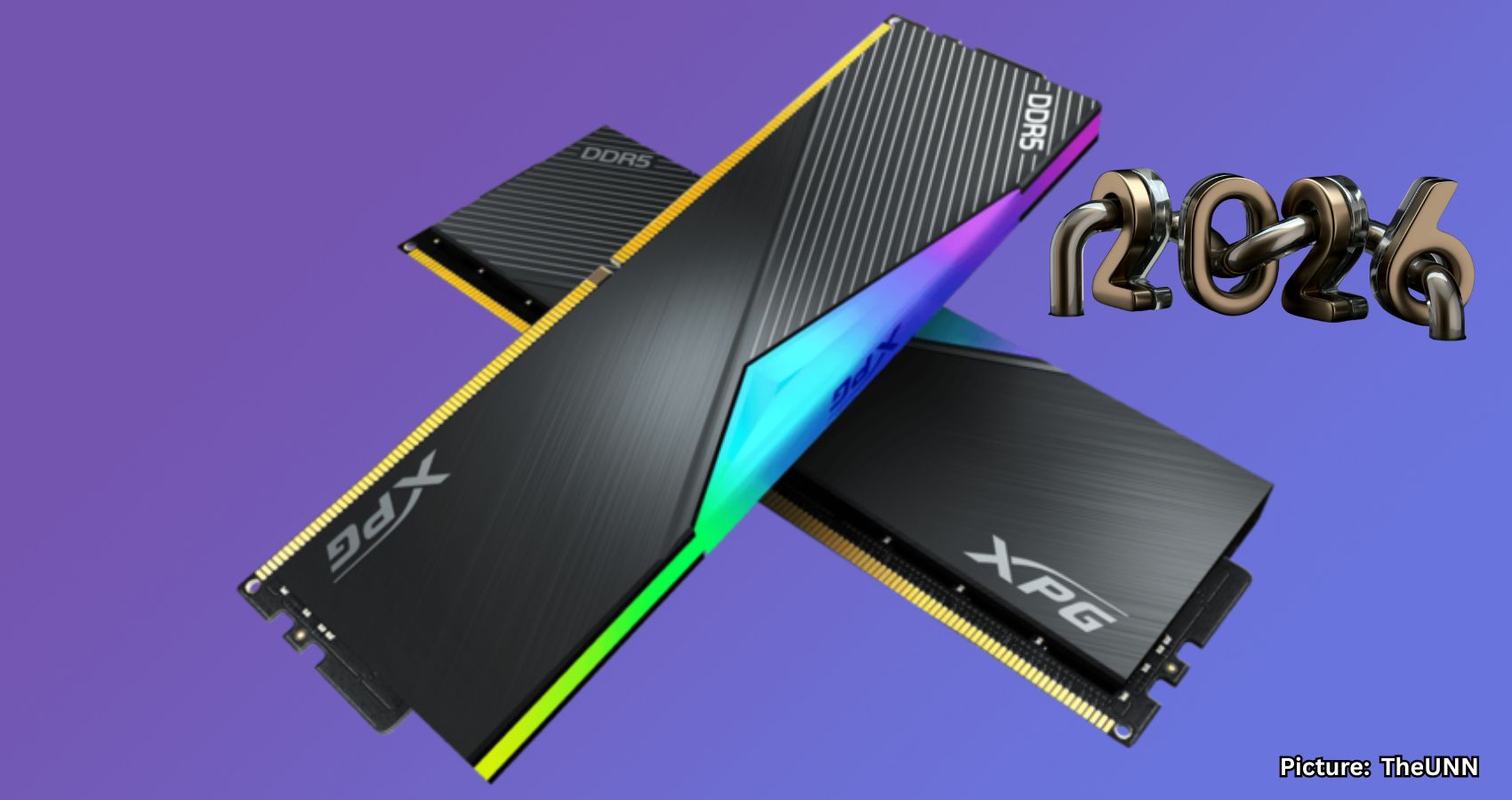
The rising cost of RAM is expected to increase the prices of various tech devices in 2026, impacting consumers across multiple sectors.
The cost of many electronic devices is likely to rise due to a significant increase in the price of Random Access Memory (RAM), a component typically regarded as one of the more affordable parts of a computer. Since October of last year, RAM prices have more than doubled, raising concerns among manufacturers and consumers alike.
RAM is essential for the operation of devices ranging from smartphones and smart TVs to medical equipment. The surge in RAM prices has been largely attributed to the growing demand from artificial intelligence (AI) data centers, which require substantial amounts of memory to function effectively.
While manufacturers often absorb minor cost increases, substantial hikes like this one are typically passed on to consumers. Steve Mason, general manager of CyberPowerPC, a company that specializes in building computers, noted, “We are being quoted costs around 500% higher than they were only a couple of months ago.” He emphasized that there will inevitably come a point where these elevated component costs will compel manufacturers to reconsider their pricing strategies.
Mason further explained that any device utilizing memory or storage could see a corresponding price increase. RAM plays a critical role in storing code while a device is in use, making it a vital component in every computer system.
Danny Williams, a representative from PCSpecialist, another computer building site, expressed his expectation that price increases would persist “well into 2026.” He remarked on the buoyant market conditions of 2025 and warned that if memory prices do not stabilize, there could be a decline in consumer demand in the upcoming year. Williams observed a varied impact across different RAM producers, with some vendors maintaining larger inventories, resulting in more moderate price increases of approximately 1.5 to 2 times. In contrast, other companies with limited stock have raised prices by as much as five times.
Chris Miller, author of the book “Chip War,” identified AI as the primary driver of demand for computer memory. He stated, “There’s been a surge of demand for memory chips, driven above all by the high-end High Bandwidth Memory that AI requires.” This heightened demand has led to increased prices across various types of memory chips.
Miller also pointed out that prices can fluctuate dramatically based on supply and demand dynamics, which are currently skewed in favor of demand. Mike Howard from Tech Insights elaborated on this by indicating that cloud service providers are finalizing their memory needs for 2026 and 2027. This clarity in demand has made it evident that supply will not keep pace with the requirements set by major players like Amazon and Google.
Howard remarked, “With both demand clarity and supply constraints converging, suppliers have steadily pushed prices upward, in some cases aggressively.” He noted that some suppliers have even paused issuing price quotes, a rare move that signals confidence in the expectation that prices will continue to rise.
As the tech industry braces for these changes, consumers may soon find themselves facing higher costs for a wide range of devices, from personal electronics to essential medical equipment. The ongoing fluctuations in RAM prices underscore the interconnected nature of technology supply chains and the impact of emerging trends like AI on everyday consumer products.
According to American Bazaar, the implications of rising RAM prices could be felt across various sectors, prompting both manufacturers and consumers to prepare for a potentially challenging economic landscape in 2026.