
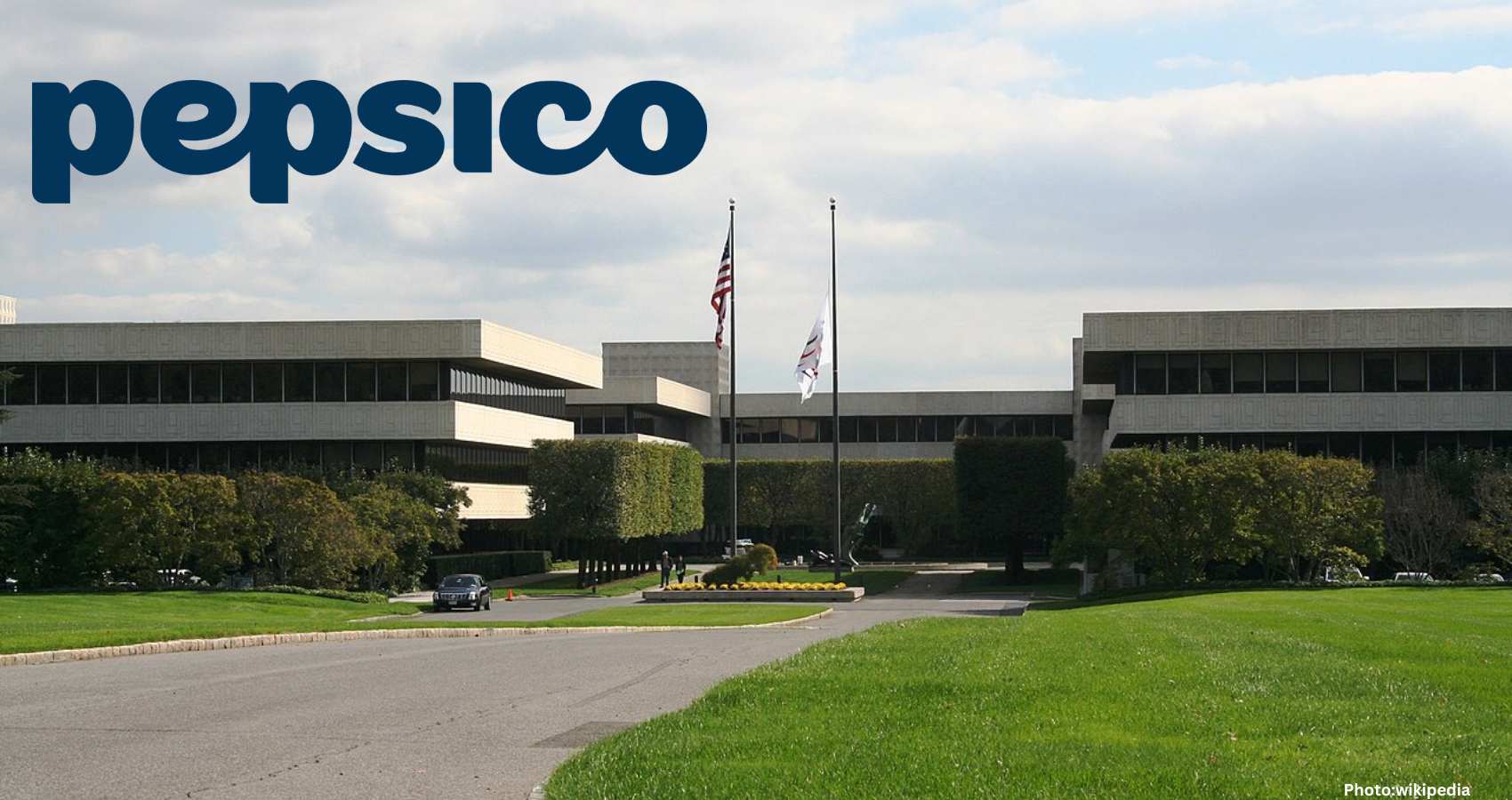
PepsiCo is set to implement price cuts and streamline its product offerings following a deal with activist investor Elliott Investment Management, marking a strategic shift for the beverage giant.
PepsiCo, the renowned soft drink and snack company, is poised for significant changes as it enters a new agreement with activist investor Elliott Investment Management. This deal, announced on Monday, aims to reshape the company’s product lineup and pricing strategy.
Earlier this year, Elliott disclosed a stake of approximately $4 billion in PepsiCo, prompting the company to negotiate a deal to avoid a potential proxy fight. The agreement signals a strategic pivot in how PepsiCo will manage its offerings, pricing, and overall operational efficiency.
As part of this new strategy, PepsiCo plans to eliminate around 20% of its product offerings in the United States by early 2026. This decision reflects Elliott’s advocacy for a more streamlined and profitable portfolio, as well as PepsiCo’s acknowledgment of evolving consumer preferences and market dynamics.
The Purchase, New York-based company, known for its popular brands such as Cheetos and Tostitos, has committed to using the savings generated from these cuts to enhance marketing efforts and deliver better value to consumers. However, specific details regarding which products will be discontinued or the extent of the price reductions have not been disclosed.
In addition to reducing its product range, PepsiCo plans to lower prices on select items and simplify the ingredients used across its portfolio. The company aims to reinvest the savings from these measures into marketing and initiatives that enhance consumer value, striking a balance between cost-cutting and growth-oriented strategies.
PepsiCo also intends to accelerate the launch of new products featuring simpler and more functional ingredients. Notable upcoming offerings include Doritos Protein and Simply NKD Cheetos and Doritos, both of which will be free from artificial flavors and colors. Recently, the company introduced a prebiotic version of its flagship cola, further diversifying its product range.
The agreement also encompasses a comprehensive review of PepsiCo’s North American supply chain and internal operations. Analysts suggest that this review may lead to plant closures or workforce reductions, although PepsiCo has framed these changes as part of broader efforts to enhance operational efficiency and maintain competitiveness in a challenging consumer goods landscape.
Elliott’s involvement in this deal underscores the significant influence that activist investors can wield, particularly when they hold substantial stakes in iconic consumer brands. While the agreement provides immediate stability by averting a public proxy battle, it raises questions about its long-term implications.
It remains uncertain how consumers will react to a reduced selection of products, whether the anticipated cost savings will translate into meaningful revenue growth, and how competitors will respond in the rapidly changing beverage and snack markets.
Nonetheless, this partnership highlights a growing trend among major consumer companies to streamline their portfolios, optimize operations, and respond swiftly to activist investor pressures without compromising brand integrity.
The deal exemplifies the delicate balance between meeting shareholder expectations and pursuing long-term strategic objectives, illustrating how external influences can accelerate change within established corporations.
Moreover, the situation emphasizes the necessity for flexibility and responsiveness in corporate management, demonstrating that even large, well-established companies must continuously assess their portfolios, supply chains, and product strategies to remain relevant in an ever-evolving market.
According to The American Bazaar, this strategic shift at PepsiCo could redefine its market approach and influence the broader consumer goods industry.