
As immigration enforcement intensifies in Minnesota, residents are increasingly fearful of seeking healthcare, prompting concerns from lawmakers and healthcare professionals about the impact on community health.
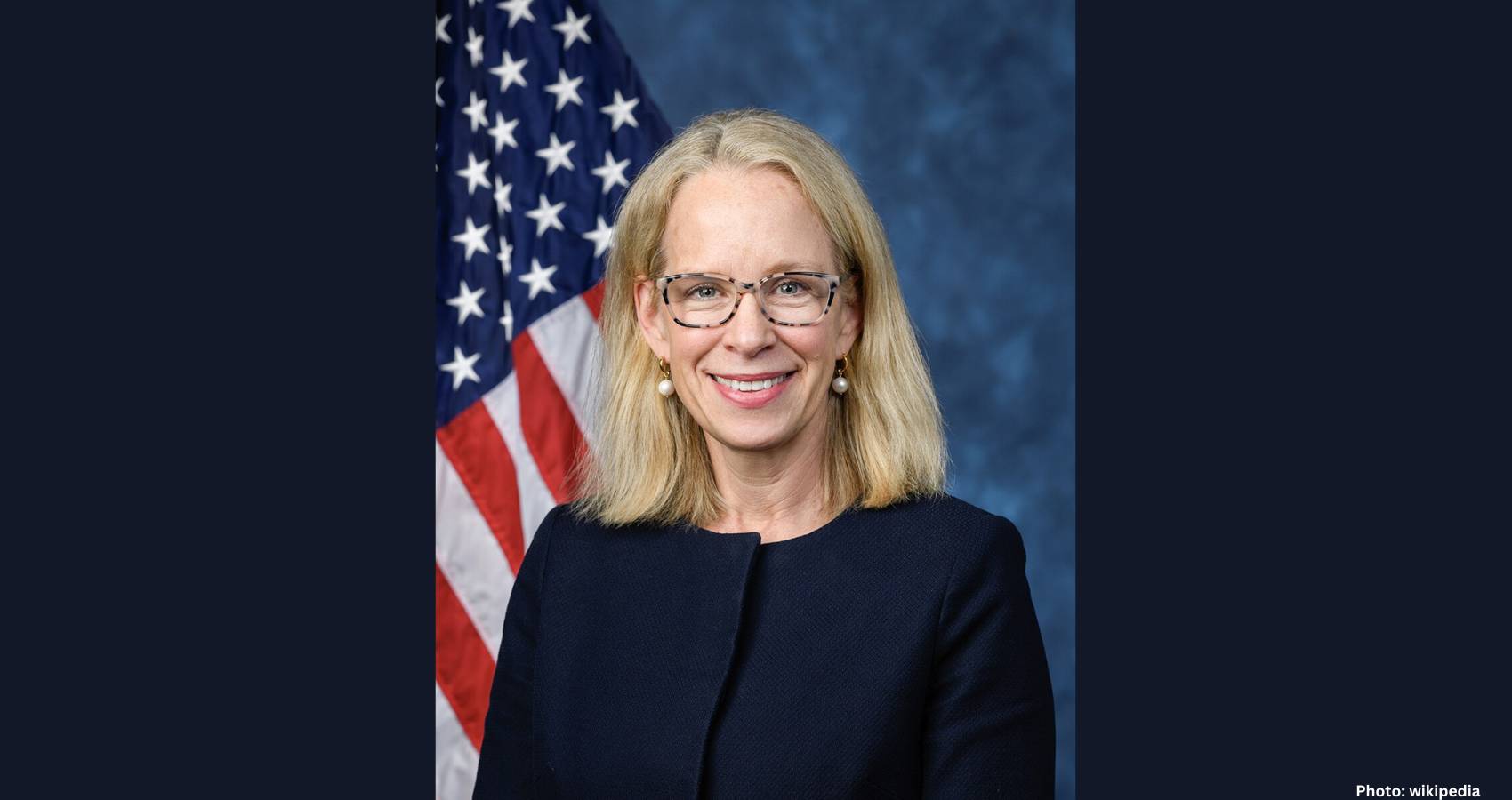
Recent immigration enforcement actions in Minnesota have left many residents apprehensive about accessing healthcare services. Minnesota Representative Kelly Morrison highlighted these concerns during a January 22 interview with American Community Media, held at the Families USA annual Health Action Conference.
“This is a very dangerous and scary moment for our immigrant communities in Minnesota,” Morrison, a Democrat, stated. She emphasized that fear for personal safety is causing many individuals to avoid or delay necessary medical care.
According to Morrison, community members are stepping up to assist their neighbors in accessing healthcare despite the risks. “We are seeing so many Minnesotans stand up for their neighbors—regardless of their immigration status—to protect them from what feels like an invasion of ICE agents into our state,” she noted. Morrison is recognized as the first and only pro-choice OB-GYN to serve in Congress.
The fear surrounding healthcare access has reportedly spread beyond immigrant communities, affecting even U.S. citizens who are anxious about potential interactions with Immigration and Customs Enforcement (ICE).
In a statement released on January 19, ICE reported that it has arrested over 10,000 individuals in Minnesota, with approximately 3,000 arrests occurring in the past six weeks alone. The agency has faced scrutiny following the fatal shootings of Renee Good on January 7 and Alex Pretti on January 24, both of whom ICE labeled as “domestic terrorists.” Good was a mother of three and a poet, while Pretti was an ICU nurse affiliated with the Minnesota Veterans Administration healthcare system.
Department of Homeland Security Secretary Kristi Noem criticized Minnesota Governor Tim Walz and Minneapolis Mayor Jacob Frey for what she described as their failure to protect their constituents, claiming they prioritize the protection of criminals over public safety.
In response to the ongoing enforcement actions, Governor Walz demanded on January 25 that ICE withdraw its operations from Minnesota. He characterized the initiative, known as “Operation Metro Surge,” as both dangerous and overreaching.
Walz referenced video footage related to Pretti’s death, which depicted the nurse attempting to assist a woman who had been pushed to the ground by ICE agents. Pretti was reportedly pepper-sprayed before being shot multiple times. A federal judge has since issued a temporary restraining order preventing federal officials from tampering with evidence related to Pretti’s death.
ICE agent Jonathan Ross, who was involved in the shooting of Good, will not face a criminal investigation, as the Justice Department has stated there is “no basis” for such an inquiry.
On January 12, Minnesota Attorney General Keith Ellison filed a lawsuit seeking to remove ICE agents from the state, reflecting growing tensions surrounding immigration enforcement.
Protests against ICE’s actions have erupted across the United States, with many demonstrators condemning what they describe as extrajudicial killings.
Healthcare providers in Minnesota have raised alarms about the impact of ICE’s presence on their ability to deliver care. Morrison reiterated these concerns during her remarks at the conference, stating, “A disturbing element of the chaos and instability this administration has created is their practice of twisting valid concerns and sincere hopes for a healthier America into harmful policies that endanger our nation’s health and safety.”
She further criticized the administration for scapegoating immigrants and others, asserting that such actions complicate efforts to ensure equitable healthcare access.
Staci Lofton, director of Health Equity at Families USA, noted that many immigrant families have withdrawn from healthcare services due to fears surrounding the public charge rule. This rule, which was promoted by former President Donald Trump, allows immigration officials to deny permanent legal status to individuals deemed likely to rely on federal benefits.
Lofton emphasized that immigrants are not required to disclose their immigration status when registering at hospitals and that medical facilities are obligated to provide emergency care to all individuals, regardless of their immigration status.
The ongoing situation in Minnesota highlights the intersection of immigration enforcement and public health, raising critical questions about access to care and community safety amid heightened tensions.
According to American Community Media, the implications of these enforcement actions extend beyond individual fears, affecting the overall health and well-being of communities across the state.