
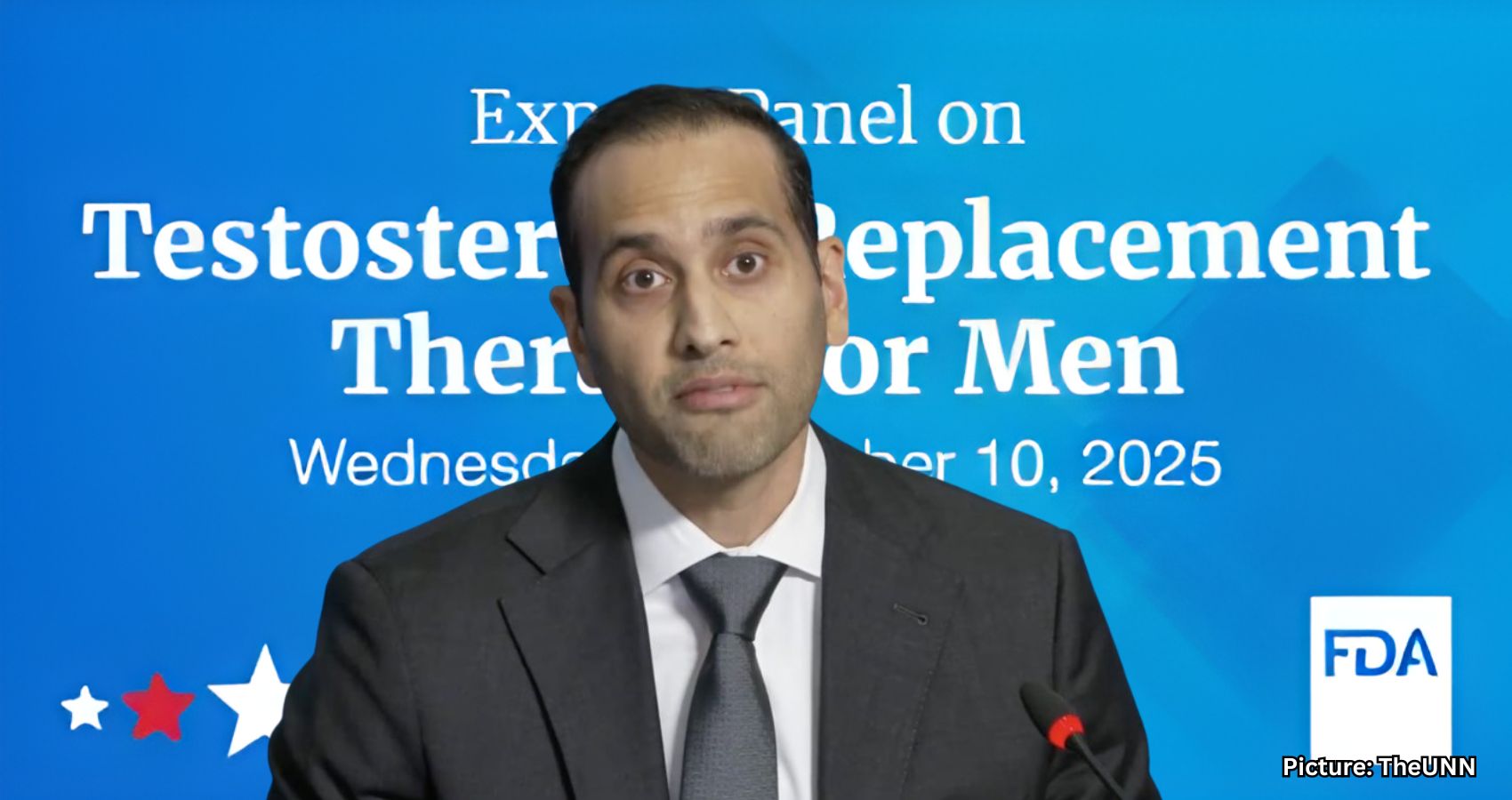
At a recent FDA panel, Marius Pharmaceuticals CEO Shalin Shah and other experts advocated for a significant overhaul of testosterone therapy regulations to enhance treatment access and align with modern healthcare practices.
WASHINGTON, DC: Shalin Shah, CEO of Marius Pharmaceuticals, joined a panel of experts at the U.S. Food and Drug Administration (FDA) on Wednesday to advocate for expanded access to testosterone therapy. This session was part of a series of discussions the FDA has initiated this year to gather insights from medical professionals regarding potential regulatory changes.
During the panel, FDA Commissioner Marty Marky expressed the agency’s commitment to understanding the complexities surrounding testosterone therapy without preconceived biases. Dr. Brian Christine, Assistant Secretary for Health at the Department of Health and Human Services (HHS), emphasized the importance of the panel, noting that discussions about men’s hormonal health have long been overlooked. He described the gathering as a pivotal moment in addressing these critical health issues.
Shah, alongside other notable panelists including Dr. Landon Trost, director of the Male Fertility and Peyronie’s Clinic in Orem, Utah; Dr. Helen Bernie, associate professor of urology at the Indiana University School of Medicine; and Dr. John Mulhall, urologic surgeon at Memorial Sloan Kettering Cancer Center in New York, called for a modernization of outdated medical and regulatory frameworks. Shah argued that these frameworks currently hinder millions of men from receiving necessary care for testosterone deficiency, a condition that can significantly impact overall health.
“The FDA, with its global leadership on healthcare standards, has the opportunity to drive a framework that can impact half a billion men and women globally who need testosterone and hormone therapy,” Shah stated.
The panel focused on Testosterone Replacement Therapy (TRT), a treatment designed for men whose bodies do not produce sufficient testosterone. The panelists strongly advocated for increasing access to TRT, highlighting the health issues associated with low testosterone levels, which can lead to decreased libido, fatigue, mood changes, and loss of muscle mass.
In 2015, the FDA mandated significant label changes for testosterone products, introducing warnings about potential risks of heart attack and stroke and restricting approved use to men with confirmed hypogonadism. Shah praised the FDA for reconsidering the scientific evidence surrounding testosterone deficiency, arguing that current regulations are based on outdated fears rather than medical facts.
“Testosterone deficiency is a disease amplifier,” Shah explained. “There is an androgen receptor on nearly every organ in our body, and our body should not be devoid of this critical hormone.” He pointed out that prior to the 2015 label changes, clinicians were able to treat testosterone deficiency without needing to meet stringent criteria, similar to how other medical conditions are managed.
Shah noted that recent advancements in testosterone therapy have brought renewed hope to millions of men experiencing low testosterone levels. Marius Pharmaceuticals, founded by Indian American entrepreneur Himanshu Shah, introduced Kyzatrex, an oral testosterone drug aimed at treating adult men with low or absent testosterone levels due to specific medical conditions.
Despite the potential benefits of TRT, Shah and other panelists highlighted that it has been underutilized due to lingering concerns linking it to prostate cancer, stroke, and heart disease. Shah framed testosterone therapy not as a means of enhancement but as a vital preventive tool against chronic diseases. He urged the FDA to expedite the approval process for broader indications that recognize testosterone deficiency as a critical component of managing comorbid metabolic diseases.
Shah also drew attention to the rise of GLP-1 medications, such as Ozempic and Wegovy, which are used for weight loss but can lead to rapid muscle loss. He warned that this trend underscores the urgent need for regulatory action regarding testosterone therapy.
“A massive case study is unfolding before our eyes,” Shah remarked, noting that nearly 20% of American adults have tried or are currently using GLP-1 drugs. “Shockingly, 40% of the weight loss that occurs is lean muscle.” He contrasted the billions spent by pharmaceutical companies on new, experimental treatments with the underutilization of existing hormonal therapies, calling for a decisive action from the FDA.
Shah criticized the structural failures within the healthcare system that create barriers to preventive care, including insurance limitations and regulatory inconsistencies. He shared that Marius launched Kyzatrex as a cash-only model to ensure direct access for patients, emphasizing that the traditional medical system often does not prioritize preventive care.
He proposed that the framework for testosterone therapy should begin with improved testing and coverage. Shah highlighted the challenges men face in obtaining testosterone level tests and advocated for mandatory screening, particularly for those with metabolic dysfunctions such as depression.
“The U.S. Preventive Services Task Force should implement mandatory coverage to support this framework,” he urged. He also called for equal coverage of all testosterone formulations, including oral therapies like Kyzatrex, by Medicare and commercial insurers.
Shah suggested that the Department of Health and Human Services consider testosterone therapy an essential health benefit, which would help reduce access barriers for millions of men. He noted that Marius Pharmaceuticals is committed to supporting government efforts to make testosterone therapy affordable.
In a pointed critique, Shah addressed the legal classification of testosterone, arguing that it is regulated more strictly than substances with higher abuse potential. He provided financial data from the Department of Veterans Affairs, which indicated that normalizing testosterone levels in hypogonadal men led to significant reductions in mortality and cardiovascular events.
“In the VA, normalization of testosterone in over 80,000 hypogonadal men was associated with a 56% lower all-cause mortality and meaningful reductions in heart attacks and strokes,” Shah stated. He emphasized that applying these results on a national scale could yield substantial savings for the healthcare system.
Shah concluded by asserting that addressing low testosterone is not merely a cosmetic issue but a significant preventive care opportunity. “This doesn’t count frailty, falls, dementia, productivity, and other benefits. For Medicare and our healthcare system, low testosterone is a multibillion-dollar preventive care opportunity,” he said.
According to The American Bazaar, Shah’s remarks at the FDA panel reflect a growing recognition of the importance of testosterone therapy in modern healthcare.