
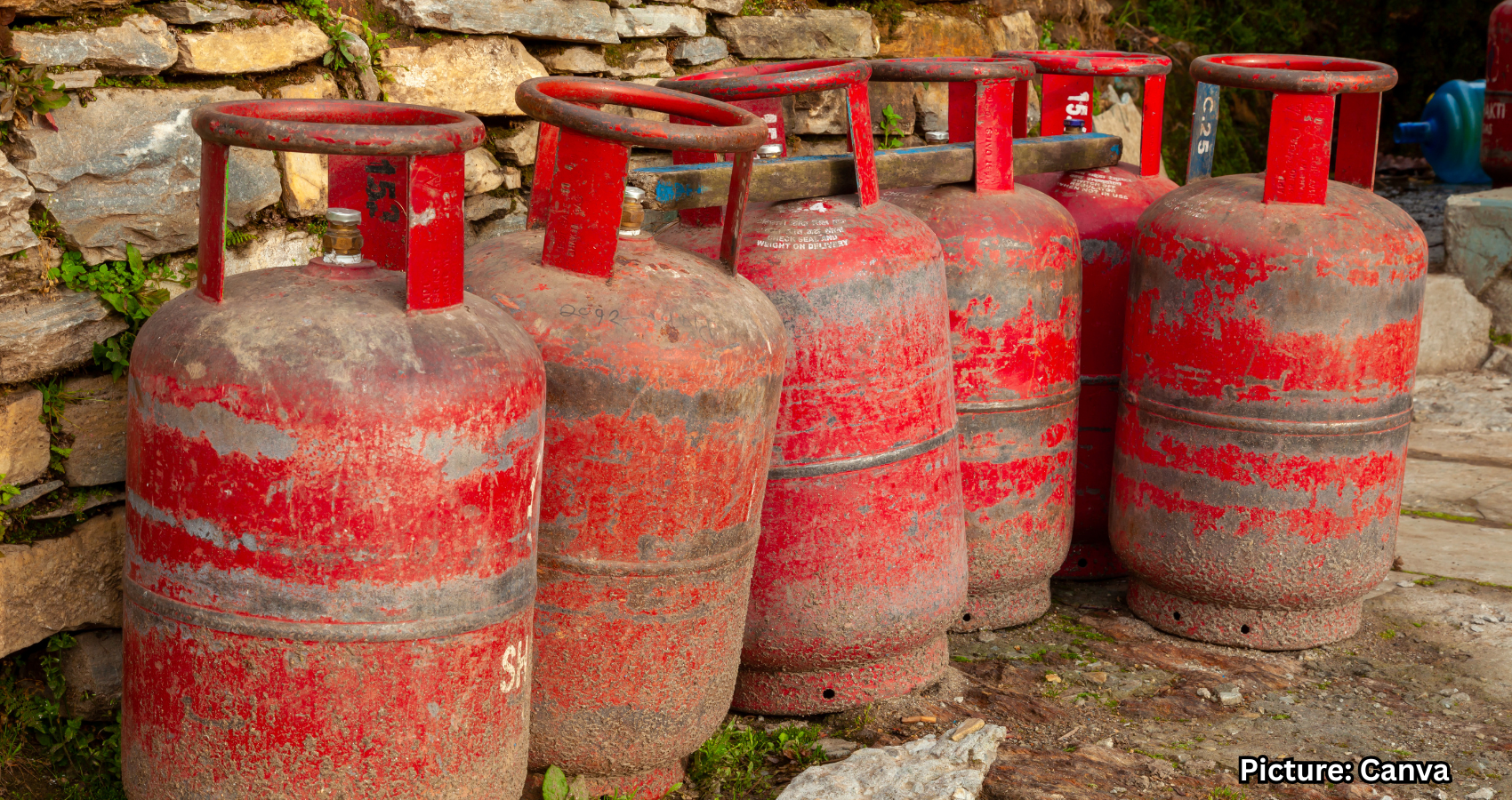
India is facing a significant LPG crisis due to supply disruptions linked to geopolitical tensions, prompting government efforts to stabilize the situation amid rising demand and public concern.
NEW DELHI – India is currently experiencing a severe liquefied petroleum gas (LPG) crisis, primarily driven by supply disruptions through the Strait of Hormuz. This situation has escalated due to increasing tensions in the ongoing Iran–US–Israel conflict, with noticeable distress affecting both households and industries across the nation.
On the ground, the impact of the crisis is becoming increasingly apparent. Long queues have formed outside LPG distribution centers in various cities, as residents and businesses scramble to secure their supplies. Reports of hoarding and even cylinder theft have emerged, further exacerbating the situation. Small eateries, bakeries, and food processing units are scaling back their operations, with some establishments temporarily closing due to the tightening supply.
Households are particularly affected, with a surge in demand leading to the booking of hundreds of thousands of cylinders nationwide in recent days. This spike in demand reflects the uncertainty surrounding LPG availability, prompting many to act quickly to secure refills.
In response to the crisis, hotels and corporate cafeterias have begun to adjust their menus, opting to avoid dishes that require extensive gas usage. Additionally, factories that rely heavily on LPG, particularly those in the biscuit and packaged food sectors, have reported a reduction in output. Industry representatives have voiced concerns that the disruption could ripple through supply chains, potentially leading to broader economic implications if shortages continue.
India’s reliance on imports for approximately 60 percent of its LPG needs makes the country particularly vulnerable to geopolitical shocks. Nearly 90 percent of these imports are typically routed through the Persian Gulf, underscoring the critical nature of the Strait of Hormuz in maintaining steady supply.
Despite the widespread effects of the crisis, the Indian government is working to reassure the public. Sujata Sharma, Joint Secretary in the Petroleum and Natural Gas Ministry, stated that oil marketing companies are actively diversifying their procurement strategies. They are sourcing LPG from multiple global suppliers, including the United States, to mitigate dependence on shipments from the Gulf region.
Sharma emphasized that there is no shortage of LPG at any distributor, assuring consumers that supplies remain stable. She urged citizens to refrain from panic buying and to avoid engaging in black-market purchases.
Officials have also reported that refineries are operating at full capacity and that adequate stocks of petrol and diesel are being maintained across the country. Oil marketing companies have indicated that there are no significant shortages at fuel stations or LPG distributorships, further supporting the government’s message of stability.
The situation remains fluid, and the government’s proactive measures will be crucial in managing the ongoing crisis. As the nation navigates these challenges, the focus will be on ensuring that households and industries have reliable access to LPG in the coming weeks.
According to IANS, the government continues to monitor the situation closely, aiming to stabilize LPG supplies and alleviate the concerns of consumers and businesses alike.