
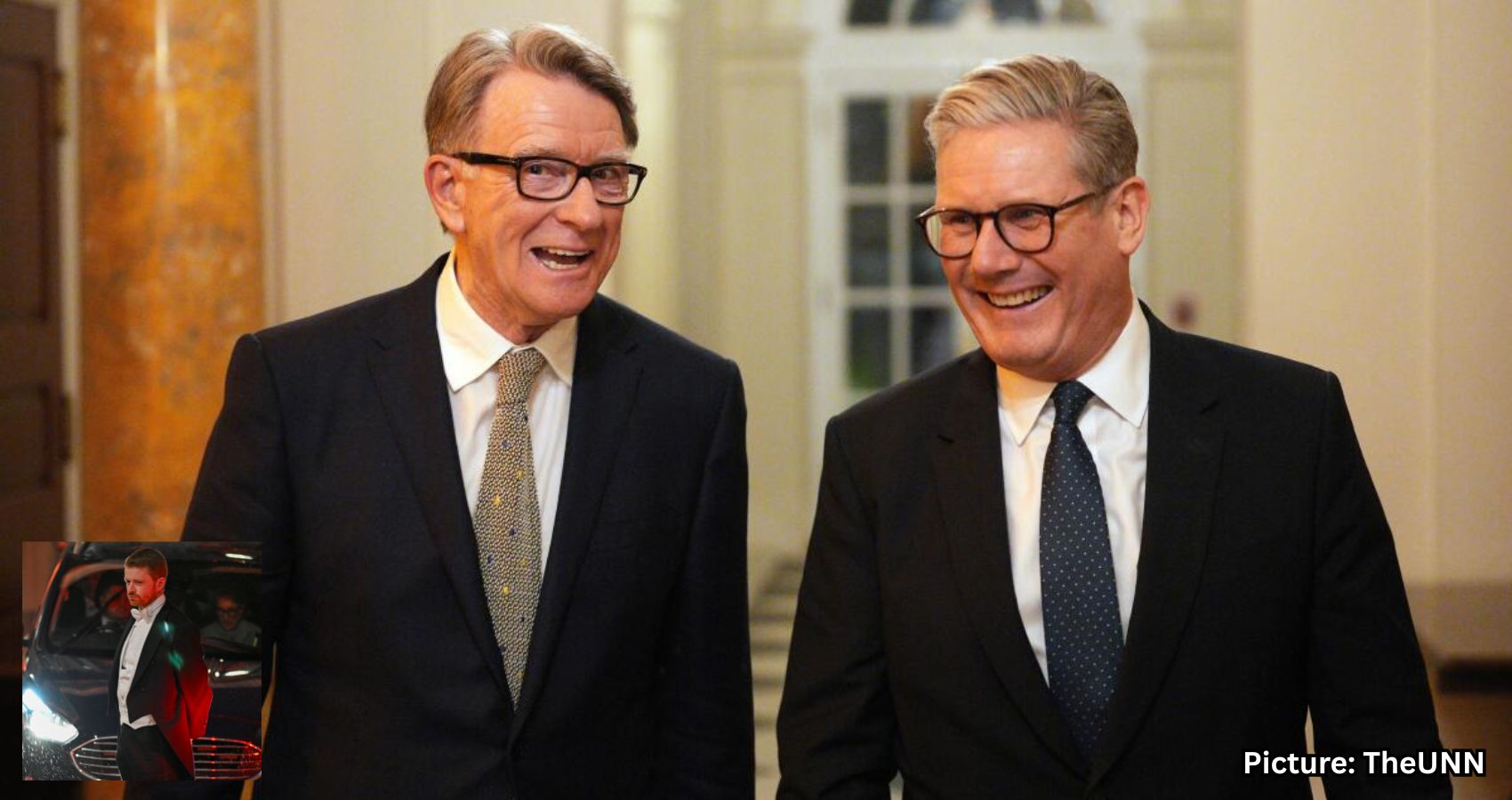
Morgan McSweeney has resigned as chief of staff to UK Prime Minister Keir Starmer following backlash over his recommendation of Peter Mandelson for ambassador to the U.S., amid Epstein-related controversies.
Morgan McSweeney stepped down on Sunday as chief of staff to British Prime Minister Keir Starmer, following significant criticism regarding his role in recommending Peter Mandelson for the position of UK ambassador to the United States. McSweeney’s resignation comes in the wake of revelations about Mandelson’s connections to Jeffrey Epstein, which have sparked public outrage and concern over the integrity of political appointments.
In a resignation statement obtained by The Guardian, McSweeney described the decision to appoint Mandelson as “wrong” and took full responsibility for his recommendation. He characterized his departure as the “only honourable course” given the circumstances. “He [Mandelson] has damaged our party, our country and trust in politics itself,” McSweeney stated, acknowledging the difficulty of his decision to resign.
McSweeney expressed that the controversy surrounding Mandelson’s appointment had eroded public trust in the political system. He called for a comprehensive overhaul of the government’s vetting and due-diligence processes to prevent similar situations in the future. Despite his resignation, McSweeney pledged his continued support for Starmer and the Labour government’s agenda.
Recent documents and emails released by the Justice Department in January revealed that Mandelson had maintained contact with Epstein following the latter’s 2008 conviction on two felony counts related to soliciting prostitution, one involving a minor. The Associated Press reported that these documents suggest Mandelson may have shared sensitive government information with Epstein during the period after the 2008 global financial crisis.
Financial records indicate that Epstein transferred a total of $75,000 in 2003 and 2004 to accounts associated with Mandelson or his husband, Reinaldo Avila da Silva. This financial connection has raised further questions about Mandelson’s suitability for the ambassadorial role.
On September 11, Foreign Office minister Stephen Doughty informed the House of Commons that Starmer had requested the withdrawal of Mandelson from the ambassadorial position after it became clear that Mandelson’s relationship with Epstein was “materially different” from what had been previously disclosed during his appointment process. Doughty noted that new information had emerged, particularly Mandelson’s suggestion that Epstein’s first conviction was wrongful and should be challenged.
In light of these developments and with consideration for the victims of Epstein’s crimes, Doughty confirmed that Mandelson had been withdrawn as ambassador with immediate effect. Mandelson had previously resigned from the Labour Party on February 1.
The fallout from this incident highlights the ongoing scrutiny of political figures with connections to controversial individuals and the importance of transparency in government appointments. As the Labour Party navigates this challenging situation, the implications for public trust and the party’s future remain to be seen.
According to The Guardian, the resignation of McSweeney marks a significant moment in the ongoing discourse surrounding accountability and integrity in political appointments.