
In California, the Sikh community faces heightened fear and isolation due to increased ICE deportations, impacting their spiritual and social support systems.
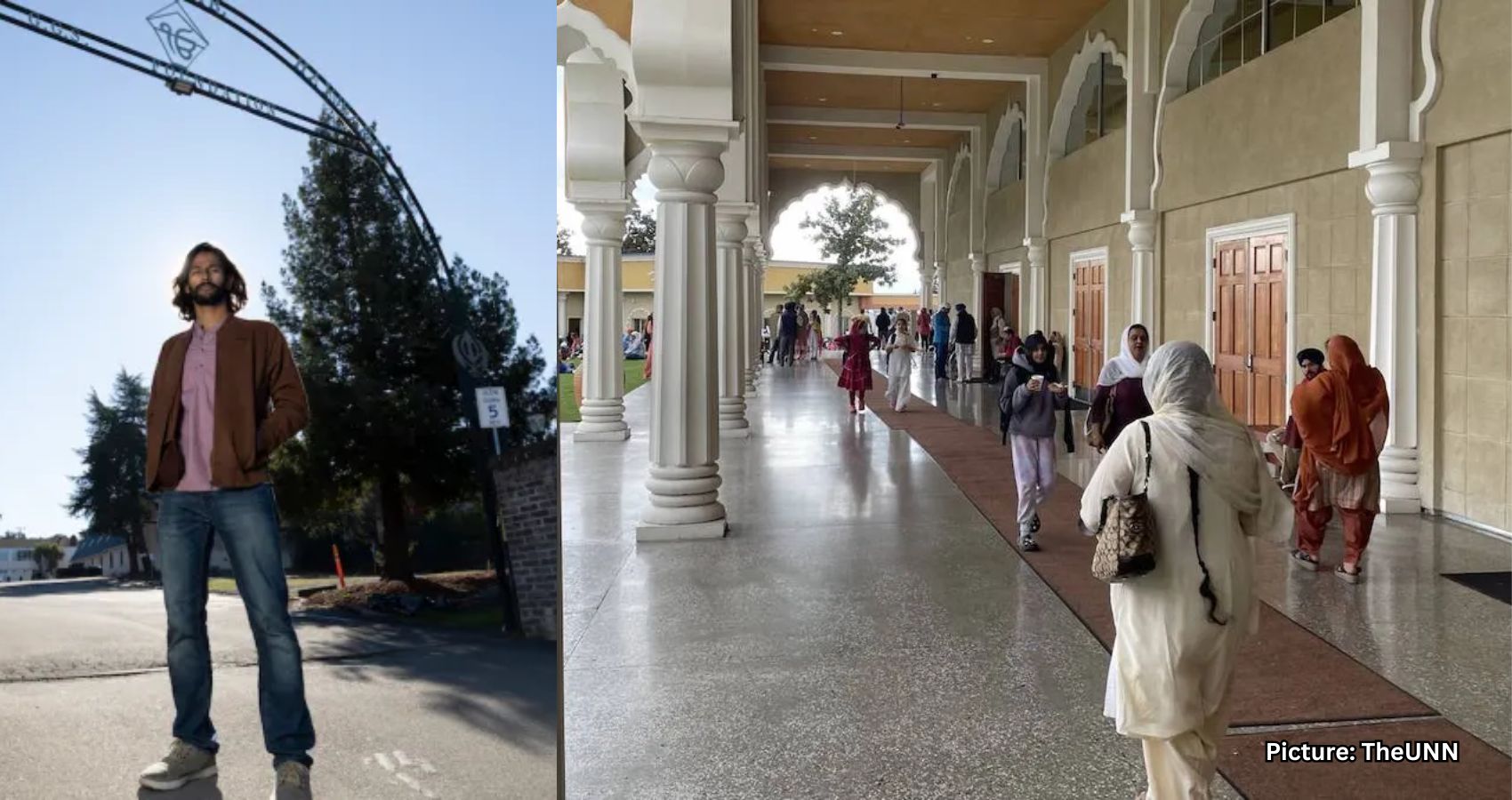
Atop the rolling hills of East San José stands the largest Sikh temple in the United States, its white domes visible for miles. This gurdwara has served as a spiritual anchor and lifeline for tens of thousands of worshippers for decades.
However, over the past year, a growing sense of fear has permeated the community.
South Asians are often overlooked in discussions about undocumented immigrants, yet this year alone, 35,000 individuals from India were apprehended at the U.S. border, many of whom are Punjabi Sikhs. Some seek political refuge, while others arrive on temporary visas, taking low-wage jobs that leave them vulnerable to shifting immigration policies.
A January memo from the Department of Homeland Security expanded the operational reach of federal immigration agents, allowing them to conduct enforcement activities in previously protected “sensitive locations” such as hospitals, clinics, schools, and places of worship. This intensified ICE enforcement across California has left many Sikh immigrants questioning the safety of their gurdwaras.
Gurdwaras serve as crucial hubs for medical care, social services, and community support for Sikh Punjabi immigrants and their families. With Punjabi being the third most spoken language in several California counties, these spaces provide essential in-language resources and information.
Journalist Tanay Gokhale has spent the past year documenting how immigration enforcement affects Punjabi Sikh residents across California. He recently spoke with Sasha Khokha, host of The California Report Magazine, about the impact of rising ICE activity on daily life for Sikh immigrants.
Gokhale explained that the immigration crackdown has largely gone unnoticed within the broader narrative of the Indian diaspora, which is often perceived as affluent and well-educated. In reality, Indians represent the fifth-largest undocumented group in the United States, with many Sikhs from Punjab working in blue-collar jobs in agriculture and trucking.
After President Donald Trump took office in January 2025, the DHS memo allowed ICE officers to operate within places of worship, a significant shift from previous policy. The memo sparked rumors of ICE raids in gurdwaras nationwide, further fueling anxiety within the community.
As a result, many Sikhs began to question the safety of attending their gurdwaras. Narenda Singh Thandi, president of the West Sacramento gurdwara, expressed concern that immigration enforcement could disrupt the sanctity of their worship space. “We don’t want ICE in the temple,” he stated. “We don’t want people to go with their shoes on, with guns on, which is against our system.”
Gurdwaras are not only places of worship but also vital resource hubs for new immigrants, particularly those who speak Punjabi and may be unfamiliar with English. The decline in attendance due to fear of immigration enforcement has significant implications, as congregants are missing out on essential services that can impact their health and well-being.
Dr. Harpreet Singh Pannu, a Kaiser doctor who runs a free medical clinic at the San José gurdwara, noted that many older congregants rely on the familiarity and comfort of speaking Punjabi, which they often do not find in traditional healthcare settings. “We don’t make a difference in terms of whether they are documented or undocumented,” he said. “But there is reluctance because they are worried if they come here, they could end up in trouble.”
Simran Singh, who began visiting the Mesa Verde detention center in 2016, found that detainees often feel isolated and disconnected from their communities. During his visits, he discovered that many detainees lacked access to essential articles of faith, such as gutke, the holy prayer books of Sikhism.
Singh’s efforts to support Sikh detainees included bringing langar food, gutke, turban cloths, and Punjabi newspapers to help them stay connected to their culture and families. He emphasized the importance of maintaining their faith and cultural identity, even in detention.
Despite the challenges, Singh noted that detainees often share common struggles, such as anxiety about their futures and separation from their families. In these moments, faith becomes a powerful source of solace and connection.
As Singh observed, prayer beads, or malas, are used across various faiths, allowing detainees to bond over shared experiences and struggles, regardless of their backgrounds. “Neither of you are speaking English well, but now you have something to give to them, and that gesture goes a long way,” he said.
Despite the increasing number of South Asian detainees—now numbering around 65, with half being Sikhs—there remains a lack of advocacy and support for this population, even within the Indian diaspora. While individuals like Singh are stepping up to fill the gap, there is a pressing need for greater awareness and support for Sikh immigrants facing the realities of deportation and isolation.
The ongoing challenges faced by the Sikh community in California highlight the urgent need for broader conversations about immigration, support systems, and the importance of community resilience in the face of adversity, according to India Currents.