
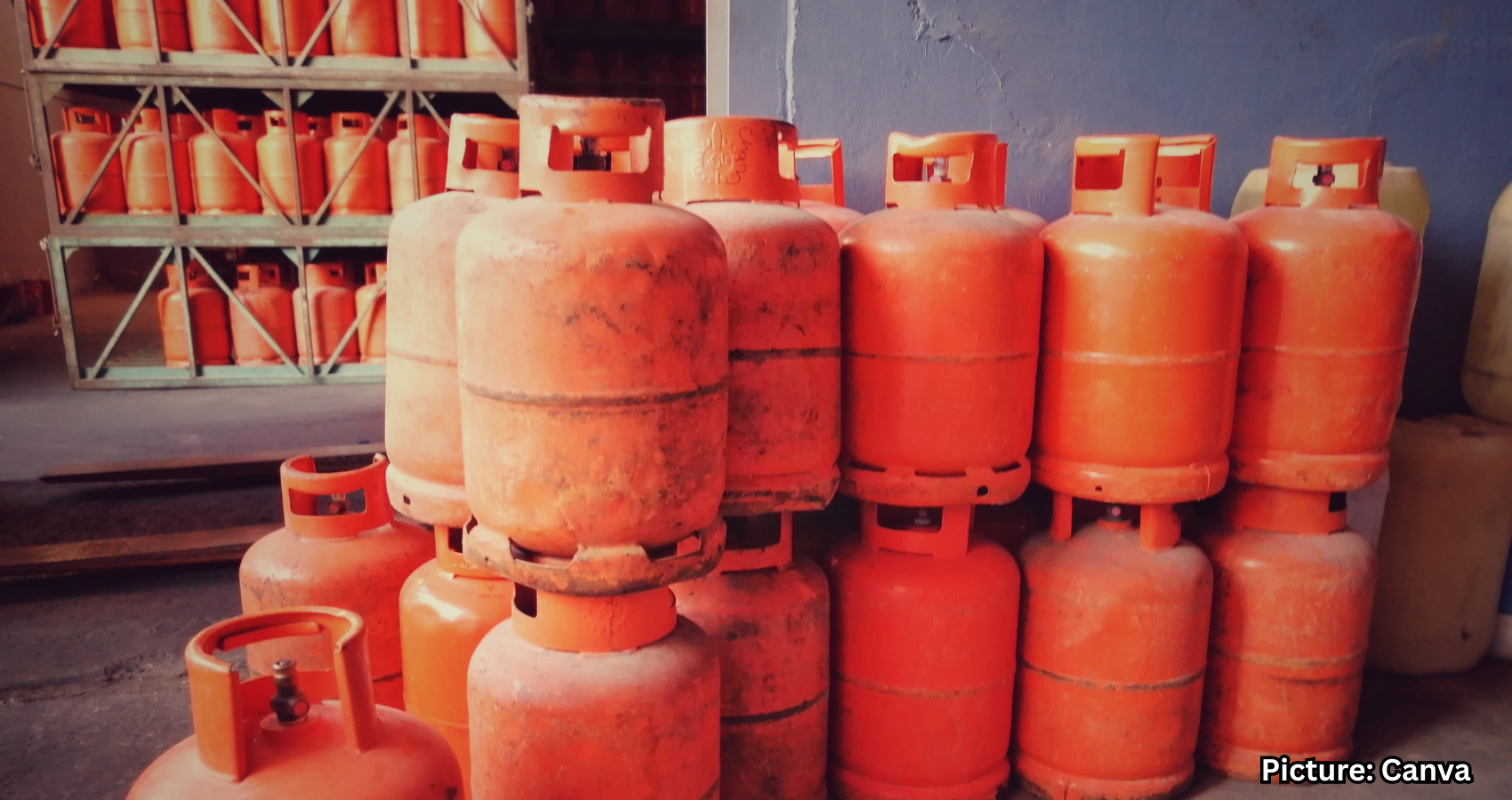
Ongoing geopolitical tensions are causing a rise in cooking gas prices in India, impacting households and complicating daily life for many families across the country.
For residents of India, the effects of distant geopolitical conflicts are becoming increasingly tangible. The ongoing tensions involving the United States, Israel, and Iran may seem far removed, yet their consequences are already being felt in Indian households.
As of March 7, 2026, the price of a 14.2 kg domestic LPG cylinder has risen by ₹60 ($0.65) nationwide. In major cities, the non-subsidized prices now hover around ₹913 ($9.93) in Delhi, ₹912.50 in Mumbai, ₹939 in Kolkata, and ₹928.50 in Chennai. Additionally, commercial cylinders weighing 19 kg have seen an even steeper increase, rising by ₹115.
The issue extends beyond just the rising costs; many families are also facing challenges in securing timely deliveries of their cooking gas cylinders. Under normal circumstances, a household can expect delivery within three to four days after booking an LPG cylinder through the official system. However, recent reports indicate that many consumers are experiencing delays without any clear delivery dates assigned.
This situation is not an isolated incident affecting only a few households. Reports of delivery delays are surfacing from various metropolitan areas. If urban centers, which typically have more robust supply chains, are experiencing these issues, it raises concerns about the conditions in smaller towns and rural regions.
This latest price hike marks the second increase in less than a year. According to the Indian Oil Corporation, a non-subsidized domestic LPG cylinder in Kolkata now costs approximately ₹939. This increase is reflective of a broader surge in global energy prices, largely driven by instability in the Middle East, a region critical to the global oil and gas trade.
Much of the anxiety centers around the Strait of Hormuz, a vital maritime route through which a significant portion of the world’s oil and gas shipments transit. Nearly half of India’s crude oil and LPG imports pass through this corridor.
Recent military actions by the United States and Israel against Iranian positions, coupled with warnings from Iran to vessels operating in the region, have created uncertainty in shipping routes. Some insurers have reportedly withdrawn coverage for tankers navigating these waters, complicating cargo movement further.
The result is a chain reaction that ultimately impacts the daily lives of ordinary people. Supply disruptions lead to rising global prices, prompting governments to adjust domestic rates, which in turn leaves households that depend on LPG for cooking to bear the brunt of these increases.
For policymakers and analysts, these developments are primarily about geopolitics, security, and global markets. For families in India, however, the situation is much more straightforward: a cylinder costs more, deliveries are uncertain, and the simple act of preparing a meal becomes unnecessarily complicated.
In times like these, the distance between international conflict and everyday life appears surprisingly small.
According to The American Bazaar, the implications of these geopolitical tensions are being felt acutely by Indian households.