
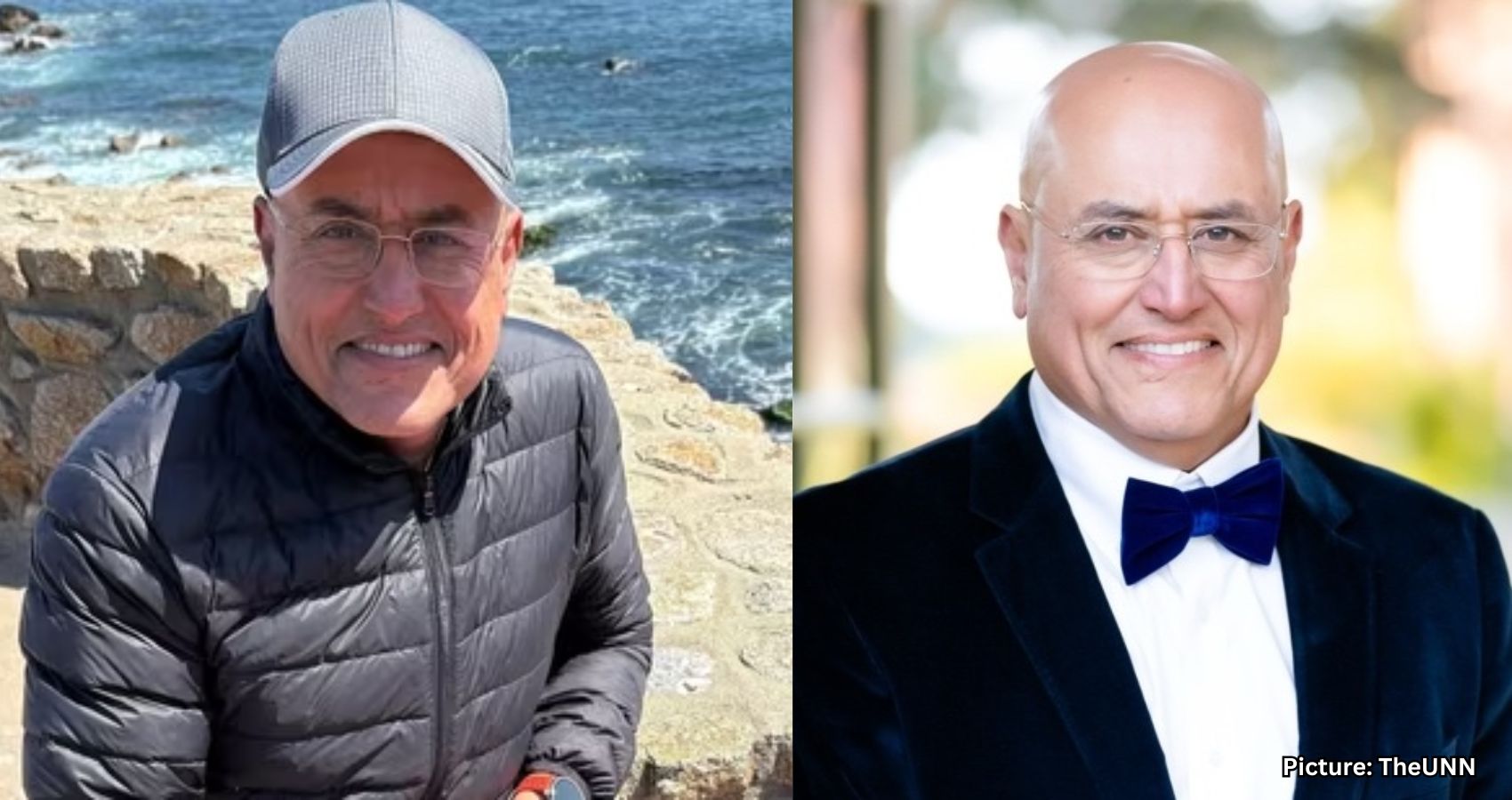
Indian American tech entrepreneur Sabeer Bhatia faces backlash after a controversial social media post about Delhi’s air quality, sparking debate over his remarks on environmental issues in India.
Indian American tech entrepreneur Sabeer Bhatia, known for co-founding the iconic email service Hotmail, has recently stirred controversy with a social media post that has drawn significant attention and criticism. Bhatia took to X, formerly known as Twitter, to share his thoughts on a chilly run he experienced, juxtaposing it with a sardonic comment about the air quality in Delhi.
In his post, Bhatia expressed envy towards those in Delhi, stating, “Hey, guys. This is where I got to run today. It is absolutely gorgeous. But I’m very jealous of you guys. You have an EQI of 800, and you get to breathe all these wonderful chemicals in your body. Carbon, soot, nickel, cadmium. I don’t know what else is there in the air of Delhi. And watch movies. But as I have to freaking run in this cold weather and the AQI of 15, I am jealous. I am mad at you guys. Thank you very much, and please pass this along.”
Bhatia’s remarks quickly ignited a flurry of reactions online, ranging from humor to sharp criticism. Many users questioned his apparent mockery of Delhi’s environmental challenges, interpreting his comments as derisive rather than constructive. While Bhatia’s post attempted to blend humor, envy, and environmental commentary, it reignited discussions about the severe air quality issues plaguing major Indian cities and their impact on daily life.
In a follow-up video, Bhatia captioned his post with the phrase, “And they call me anti-national?” This led to further backlash, with users responding with pointed comments about life in the United States. One user remarked, “I wonder what kind of bullets be flying around while you are breathing that fresh air around you. Could be a 9mm, 10mm, 40 cal, 50 cal. Enjoy every breath as it’s the USA.” Bhatia responded, “Four is too many, but they are four deranged individuals in a population of 350 million. Meanwhile, 20 million people in Delhi are slowly being choked to death.”
Another user criticized Bhatia’s perspective, stating, “Privileged landscape. The cargo ships of the navy I work in make stopovers at the Port of Oakland, not San Francisco. You do not have to face loading & unloading operations, anchored vessels for one week, port congestion… Only recreation. Lucky you!” Bhatia replied, “Recreation with a lot of thinking.”
Critics argue that Bhatia’s comments reflect a pattern of dismissive attitudes towards India’s challenges. Many perceive his remarks as condescending, suggesting that he speaks from a place of privilege without fully acknowledging the complexities faced by those living in India. His frequent comparisons between life in the U.S. and India have led some to feel that he is talking down to his home country, rather than contributing to meaningful dialogue.
Some users have pointed out that the criticism of Bhatia is not limited to this one incident. Over time, they have observed a consistent trend in his posts, which often include blunt critiques of governance, public behavior, and broader social issues in India. This ongoing pattern has contributed to the growing backlash against him.
Who is Sabeer Bhatia? He is a prominent figure in the tech industry, having co-founded Hotmail, an early webmail platform that revolutionized digital communication before being acquired by Microsoft. Now based in Silicon Valley, Bhatia’s career extends beyond Hotmail, encompassing startup ventures, angel investing, and public initiatives. He is actively involved in technology-led governance and civic innovation, and he often emphasizes how his journey has been shaped by Indian education and American opportunities.
Educated at BITS Pilani, Caltech, and Stanford University, Bhatia remains an outspoken voice in social and policy debates, which has made him a polarizing figure. His recent comments have reignited discussions about the responsibilities of public figures when addressing sensitive issues, particularly those related to environmental challenges in India.
As the backlash continues, Bhatia’s remarks serve as a reminder of the complexities surrounding discussions of privilege, environmental issues, and the nuances of cross-cultural commentary. The reactions to his post reflect broader societal concerns about air quality and governance in India, highlighting the need for constructive dialogue rather than derision.
According to The American Bazaar, Bhatia’s comments have sparked a significant conversation about the intersection of privilege and responsibility in addressing pressing social issues.