
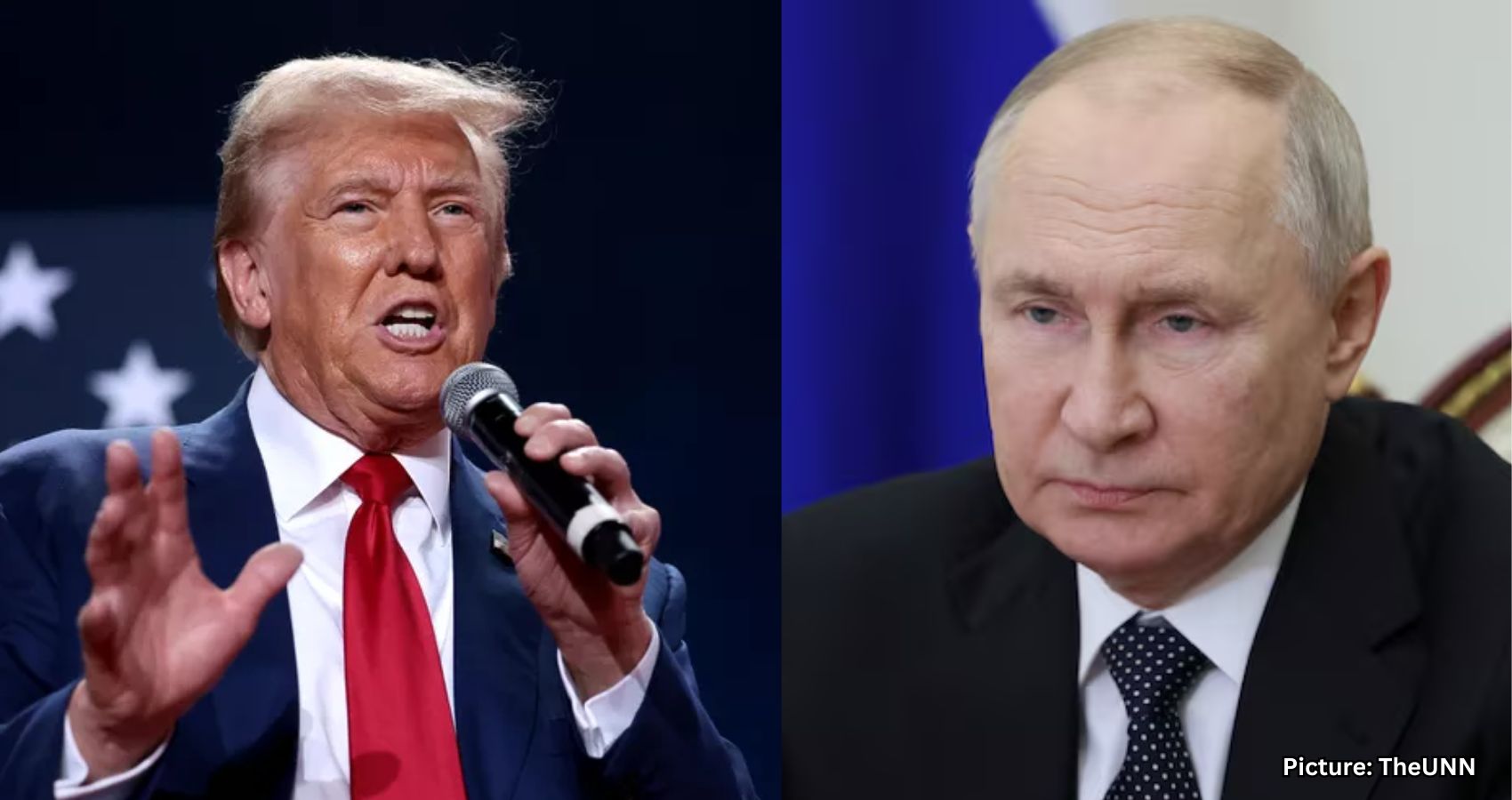
White House envoy Steve Witkoff is in Moscow for critical talks with President Putin, following negotiations with Ukraine aimed at securing a peace deal amid ongoing territorial disputes.
White House envoy Steve Witkoff arrived in Moscow on Tuesday for crucial discussions with Russian President Vladimir Putin. This visit follows a weekend of negotiations with Ukrainian officials focused on a 19-point proposal aimed at achieving a peace deal.
Witkoff, alongside Jared Kushner, President Donald Trump’s son-in-law and occasional foreign policy advisor, is exploring whether Putin will show flexibility regarding the proposal finalized with Ukrainian counterparts. This latest round of diplomacy marks the most significant effort toward a potential settlement since Russia’s full-scale invasion of Ukraine in 2022.
Despite the momentum, significant obstacles remain. Core issues regarding territorial disputes, Ukraine’s long-term security arrangements, and the conditions for any ceasefire have yet to be resolved. Negotiators emphasize that progress will hinge on Putin’s willingness to compromise during this week’s meetings.
After an initial 28-point plan, which was perceived by Kyiv as overly favorable to Moscow, U.S. and Ukrainian officials returned to the drawing board. They convened in Geneva at the end of November to refine the plan and again met over the weekend in Florida to finalize additional details.
Both sides described the talks as productive but refrained from providing specifics on the unresolved issues. Secretary of State Marco Rubio remarked, “So much work remains. But today was again a very productive and useful session where I think additional progress was made.” Trump expressed optimism, stating, “There’s a good chance we can make a deal.”
However, despite the apparent progress, the two sides remain far apart on several sensitive topics. Russia continues to assert that Ukraine cannot join the North Atlantic Treaty Organization (NATO), despite Ukraine’s constitutional amendment designating NATO membership as a national objective. The original 28-point plan also included a demand for Ukraine to reduce its peacetime armed forces to 600,000, while European and Ukrainian officials proposed an 800,000 cap. Currently, Ukraine fields approximately 880,000 troops, a significant increase from around 209,000 before the invasion in 2022.
The most significant impasse lies in territorial concessions. Earlier drafts suggested recognizing Crimea and substantial portions of the Luhansk, Donetsk, Kherson, and Zaporizhzhia regions as de facto Russian territory. This issue has become even more complicated with the recent resignation of Ukrainian President Volodymyr Zelenskyy’s chief of staff and chief negotiator, Andriy Yermak, following a corruption investigation that led to a raid on his home. Yermak had previously stated that Ukraine would not concede land for peace, asserting, “Not a single sane person today would sign a document to give up territory.”
At the end of November, Putin indicated a willingness for “serious” talks but maintained that Russia holds the upper hand in the conflict. He asserted that Russia would only cease hostilities if Ukrainian forces withdrew from territories they had recaptured. “If they don’t withdraw, we will achieve this by force,” he stated.
Analysts suggest that Washington still possesses leverage should negotiations falter, including tightening sanctions and increasing military support for Ukraine. However, many of the most impactful economic measures, such as sanctions on major Russian energy and financial entities, are already in effect. The U.S. has also provided Ukraine with tens of billions of dollars in military aid since the onset of the conflict, leaving a narrower range of options if talks stall.
Trump has expressed frustration over the slow pace of diplomacy, suggesting that a resolution “should have happened a long time ago.” Nonetheless, officials have not indicated that Washington is preparing to abandon the negotiations.
Source: Original article