
The long-term impact of artificial intelligence is sparking intense debate, with experts warning that mass unemployment may be an unavoidable consequence of its rapid advancement.
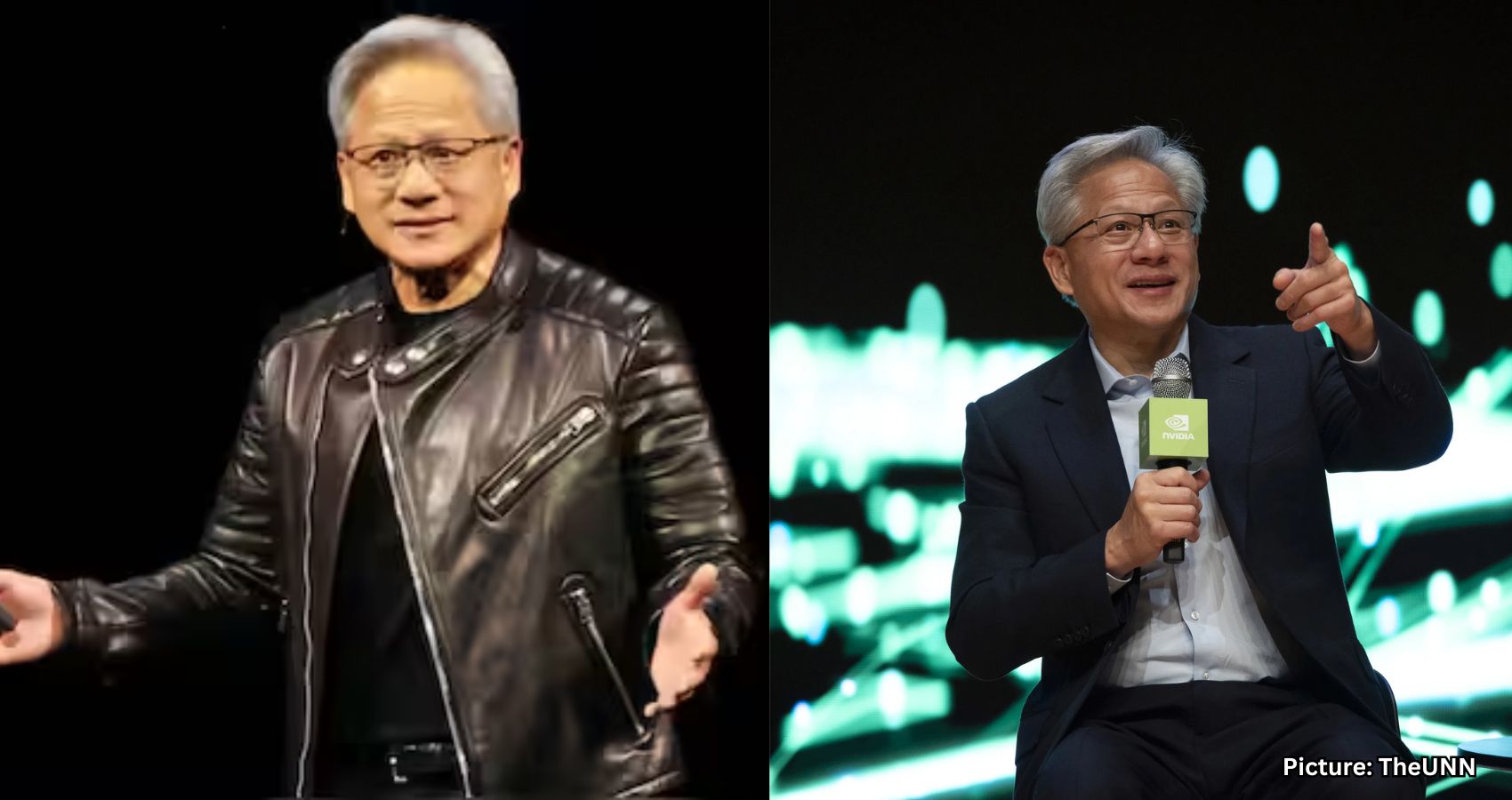
The long-term implications of artificial intelligence (AI) have emerged as one of the most contentious topics in the technology sector. Nvidia CEO Jensen Huang predicts that AI will revolutionize nearly every profession, potentially paving the way for a four-day workweek. Meanwhile, Bill Gates has suggested that humans may soon become unnecessary for “most tasks.” Elon Musk has taken a more extreme stance, forecasting that within two decades, most people may not need to work at all.
These predictions, while dramatic, are not merely speculative—they are increasingly viewed as probable by experts in the field. Geoffrey Hinton, a pioneering computer scientist often referred to as the “Godfather of AI,” recently shared his concerns during a discussion at Georgetown University with Senator Bernie Sanders. Hinton warned that AI could lead to unprecedented economic disruption.
“It seems very likely to many people that AI will cause massive unemployment,” Hinton stated. He emphasized that corporations investing billions in AI infrastructure—from data centers to advanced chips—are banking on the technology’s ability to replace a significant number of workers at much lower costs. “They are essentially betting on AI replacing a large number of workers,” he added.
Hinton’s increasing vocal opposition to the direction of AI development reflects a broader critique of Silicon Valley’s priorities. He expressed to Fortune that Big Tech is primarily driven by short-term profits rather than genuine scientific advancement. This profit motive has led companies to aggressively market AI products that replace human labor with automated systems.
As the economic landscape surrounding AI continues to evolve, the viability of companies like OpenAI, the creator of ChatGPT, is under scrutiny. OpenAI is not expected to achieve profitability until at least 2030 and may require over $207 billion in investments to sustain its future growth.
Hinton’s shift from an AI pioneer to a vocal critic underscores the growing uncertainty surrounding the technology’s future. After leaving Google in 2023, he has become one of the most prominent voices cautioning against the potential dangers of AI. His groundbreaking work in neural networks earned him a Nobel Prize last year, further solidifying his influence in the field.
While Hinton acknowledges that AI will create new job opportunities, he warns that these roles will not compensate for the scale of job losses resulting from automation. He cautions against treating any long-term forecasts as definitive.
Describing the challenge of predicting AI’s evolution, Hinton remarked, “It’s like driving through fog. We can see clearly for a year or two, but 10 years from now, we have no idea what the landscape will look like.”
What is clear, however, is that AI is here to stay. Experts increasingly agree that workers who adapt and learn to integrate AI into their skill sets will be better positioned to navigate this transition.
Senator Bernie Sanders has attempted to quantify the potential scale of disruption caused by AI. In an October report, which included analyses driven by ChatGPT, Sanders warned that approximately 100 million American jobs could be at risk due to automation.
High-risk sectors identified in the report include fast food and food service, call centers, and manual labor industries. However, white-collar jobs are also vulnerable, with positions in accounting, software development, and healthcare administration facing potential downsizing.
Sanders highlighted the psychological and societal implications of such widespread job displacement. “Work is a core part of being human,” he noted. “People want to contribute and be productive. What happens when that essential part of life is taken away?”
Senator Mark Warner echoed these concerns, predicting that young workers may bear the brunt of the consequences. He warned that unemployment among recent graduates could soar to 25% within the next three years.
Warner cautioned that failing to regulate AI now could lead to a repeat of the mistakes made with social media. “If we handle AI the same way—without guardrails—we will deeply regret it,” he asserted.
As the conversation around AI’s future continues to unfold, the consensus among experts is that proactive measures are necessary to mitigate the potential fallout from this transformative technology, ensuring that the workforce can adapt to the changes ahead.
These insights reflect the growing alarm within the tech community regarding the societal impact of AI, highlighting the urgent need for thoughtful regulation and adaptation strategies.
According to Fortune, the ongoing dialogue surrounding AI’s implications for employment and society will remain a critical focus as the technology continues to evolve.