
Exploring the connections between Edinburgh and Thiruvananthapuram reveals how physical spaces inspire creativity, as seen in the works of J.K. Rowling and Swati Tirunal.
Castle rock and teak wood define two cities that, while geographically distant, share a profound connection through their literary histories. Edinburgh, with its cobblestoned streets and shops adorned with vibrant window boxes, invites visitors to experience its rich cultural tapestry. The faint sound of bagpipes wafts through the air near the iconic Edinburgh Castle, evoking images of horses trotting along these historic paths centuries ago.
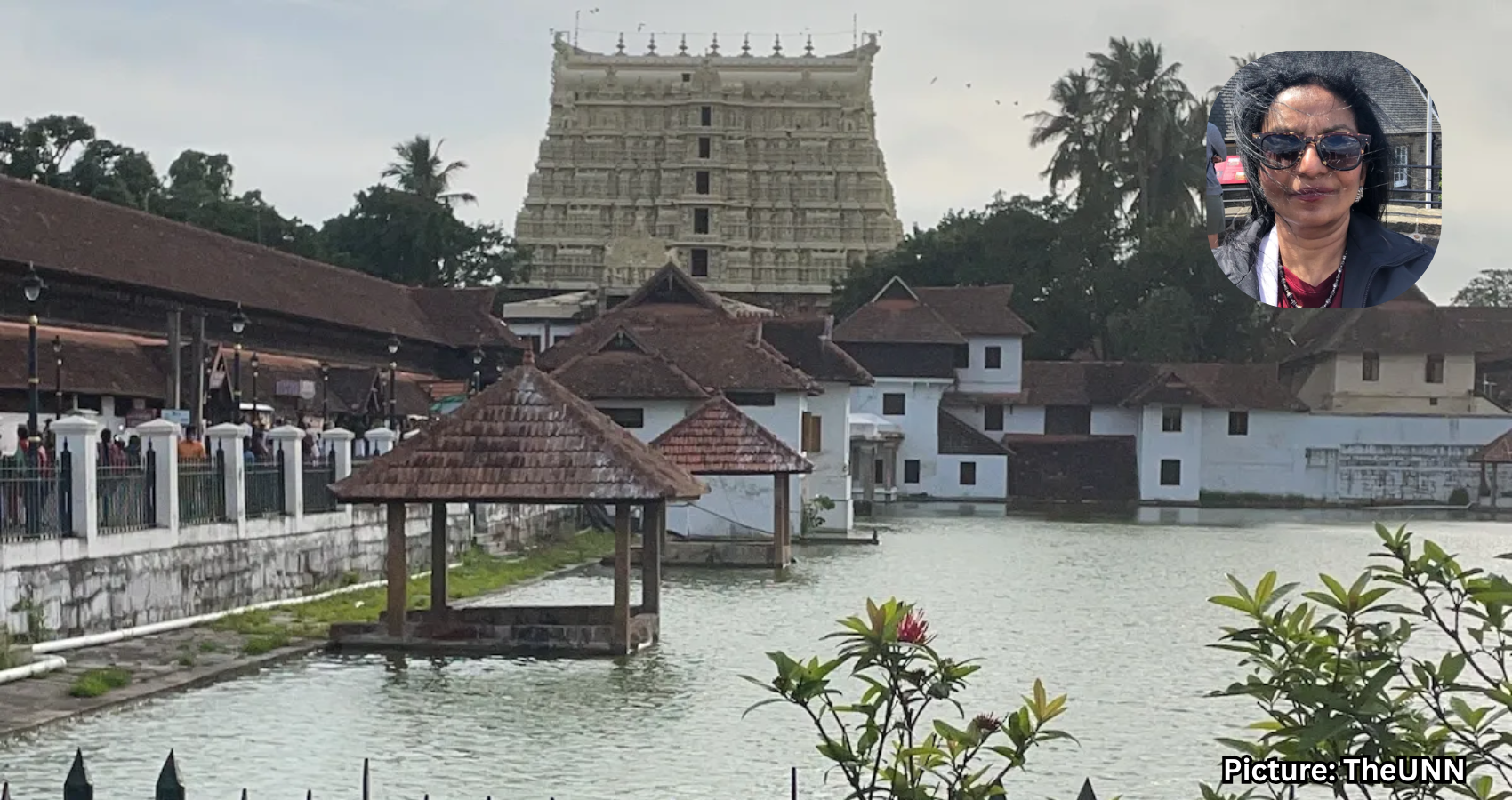
In contrast, Thiruvananthapuram boasts bustling city streets that lead to a temple embellished with red tiles and intricately carved teak wood. Upon entering the temple, one steps across a metal detector and onto a stone pathway that encircles the sacred space. Nearby, loose sand, warm and grainy beneath my feet, bears the impressions of devotees who come to pay homage to the reclining Lord Padmanabha.
At first glance, the physical attributes of Edinburgh and Thiruvananthapuram seem worlds apart. Yet, in my mind, they are intricately linked through the words crafted in these spaces long ago. A must-visit for any traveler to Edinburgh is The Elephant House, a charming coffee shop where J.K. Rowling penned the early pages of the Harry Potter series. Meanwhile, in the Kuthiramalika Palace of Thiruvananthapuram, the composer Swati Tirunal created numerous songs dedicated to Lord Padmanabha, infusing the air with melodies that resonate through time.
Standing at the entrance of The Elephant House, I can almost see the words and characters materializing before me. The gray-stoned castle walls ignite my imagination, conjuring images of wizards and magic spells dancing through the streets during long winter days. The pages of Harry Potter come alive, revealing deeper meanings as I reflect on the inspiration drawn from this enchanting city.
As I ascend the stairs to the library and writing space once occupied by Swati Tirunal, I catch a glimpse of the Padmanabha temple. I envision a time before metal detectors and tourist accommodations, picturing a sandy path where the King would tread daily, entering the temple to stand in the presence of the divine. Afterward, he would retreat to his writing room, eager to translate the words swirling in his mind into beautifully crafted verses.
The drive to create poetry and fiction is often rooted in the physical spaces and experiences that shape an author’s life. The cobblestoned streets of Edinburgh, with their castle views, inspire a desire to revisit the Harry Potter series with fresh eyes. Similarly, my visit to the Kuthiramalika Palace grounds stirred a deep appreciation for the melodies composed within its walls.
Peering through the window of Swati Tirunal’s reading room, I could almost hear the composer’s melodies begin to dance in my mind. The strains of Sumasayaka in the raga of Karnataka Kapi and the notes of Kurinji in the padham Aliveni Enthu cheyvu flowed through me, while the Dhanashri tillana echoed in my thoughts as I descended the stairs, momentarily oblivious to the palace guide’s narration.
In that moment, I stood in the very place where songs that have brought me joy were born. The royal exploits of both Thiruvananthapuram and Edinburgh seemed to fade in significance compared to the lasting impact of the words crafted in these spaces. The thoughts that once floated in the minds of J.K. Rowling and Swati Tirunal eventually found their way to the printed page, reflecting the environments they inhabited and the experiences they cherished.
These worlds of imagination and beauty, born from the unique landscapes of Edinburgh and Thiruvananthapuram, continue to inspire countless individuals. They are gifts to be treasured, and the clarity of these experiences is heightened when one has the opportunity to visit these remarkable places, as I was fortunate enough to do.
Ultimately, the connection between these two cities transcends their physical differences, revealing a shared legacy of creativity that continues to resonate with those who seek inspiration in the spaces where great works were born. The stories of J.K. Rowling and Swati Tirunal remind us of the power of place in shaping our narratives and the enduring influence of their words.
According to India Currents, the exploration of these literary landscapes highlights the profound impact of physical spaces on creativity and the timeless nature of artistic expression.