
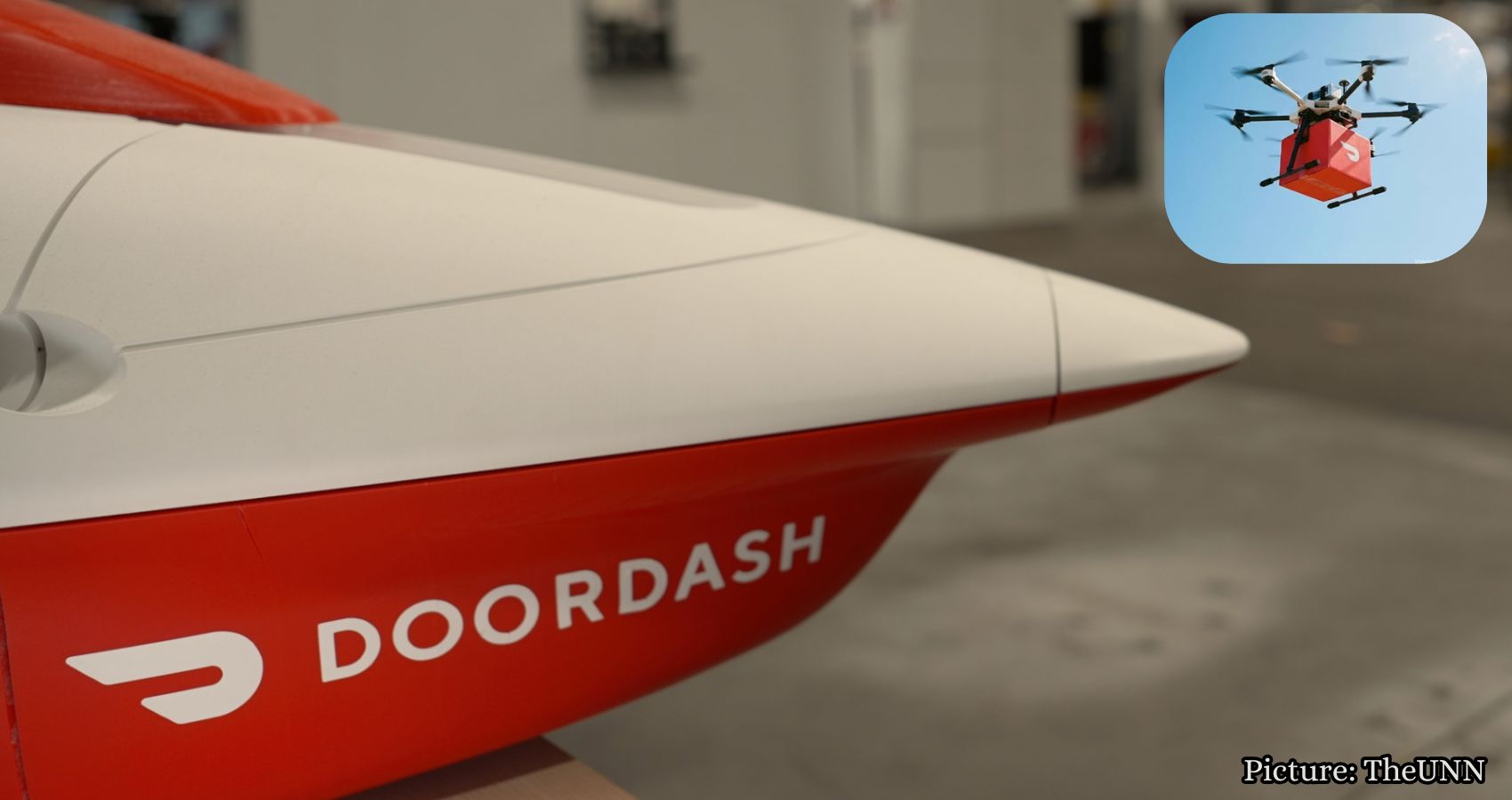
DoorDash has received FAA Part 135 air carrier certification for its drone delivery program, DoorDash Air, but additional operational approvals are required before it can begin delivering to customers.
Your next DoorDash order might soon arrive via drone instead of a delivery driver. The company has officially earned FAA Part 135 air carrier certification and launched DoorDash Air, its in-house drone delivery initiative. This certification grants DoorDash federal authorization to operate a commercial drone delivery service in the United States.
While the prospect of drone deliveries is exciting, it does not mean that customers will see DoorDash drones hovering over their driveways immediately. The company still needs to secure additional operational approvals and has yet to announce its initial markets or a definitive launch schedule for its custom aircraft.
DoorDash announced its FAA certification on July 29, 2026, becoming the eighth drone operator to achieve this type of federal air carrier certificate. The FAA’s Part 135 certification is specifically designed for companies that transport goods for payment, providing a regulatory framework for commercial package deliveries that extend beyond a pilot’s direct line of sight.
Obtaining this certification involves a rigorous five-phase review process by the FAA, which assesses the operator’s aircraft, maintenance procedures, and safety programs. Even after receiving the certificate, operators must still obtain airspace authorization and may need exemptions or waivers for flights that go beyond visual line of sight. Additionally, local land-use regulations and state laws can influence where a delivery hub can be established.
DoorDash has cleared a significant federal hurdle, but the implementation of a real-world delivery network will require extensive planning and further approvals. The company has noted that more than 20% of its orders in 2025 traveled between three and five miles, taking nearly 25% longer than shorter trips. This delay is partly due to the difficulty in matching a Dasher with mid-range orders, as drivers often prefer multiple shorter deliveries in busy areas.
By utilizing drones for longer orders, DoorDash aims to enhance delivery speed while allowing drivers to focus on nearby requests. The company estimates that drone deliveries completed in 2025 averaged about 25 minutes, with some partner locations experiencing a roughly 30% increase in order volume during the nine weeks following the pilot program’s launch. These figures, while promising, are subject to variation based on location, weather, and order type.
DoorDash’s drone delivery program is being developed by the same robotics and autonomy group responsible for the company’s Dot delivery robot. The drones are designed and built in the United States, with a majority of components sourced domestically. However, specific details regarding the aircraft’s range, payload capacity, and final design have yet to be disclosed. A DoorDash spokesperson indicated that more information would be shared in the fall.
Despite the introduction of drones, DoorDash has stated that human Dashers will continue to manage the majority of daily deliveries. This makes sense, as drones cannot navigate into apartment buildings or carry large catering orders upstairs, and they may face challenges in inclement weather or locations without suitable drop-off zones.
DoorDash’s Autonomous Delivery Platform will determine the optimal delivery method for each order, whether that involves assigning a Dasher, utilizing a Dot robot, or deploying a drone. For instance, a small order traveling four miles to a suburban home may be ideal for drone delivery, while a large grocery order destined for a high-rise apartment would likely require a human driver.
The FAA certification provides DoorDash with the legal framework to operate as an air carrier, but it does not grant unrestricted permission for drone flights in every city. The company has not yet announced its first DoorDash Air markets or provided a detailed timeline for the launch of its in-house aircraft.
Furthermore, longer autonomous routes may necessitate FAA approval for operations beyond visual line of sight. Local zoning laws, environmental assessments, and community concerns will also impact the establishment of delivery hubs. Noise pollution could become a significant issue, as the FAA has noted that drone noise may disturb communities even if it does not constitute a significant environmental impact.
As a result, initial service areas are likely to be limited to carefully selected locations, such as suburban neighborhoods with predictable routes and ample drop-off spaces, rather than densely populated urban environments.
DoorDash’s drone delivery service could significantly reduce wait times for small, urgent orders. For example, cold medicine could arrive without the delay of a driver traversing the city, or a nurse returning home after a long shift might receive a hot meal more quickly. However, the availability of drone delivery will depend heavily on the customer’s location, as their address must fall within an eligible drone delivery zone, and the order must meet the aircraft’s weight and size restrictions.
DoorDash is currently testing its drones to ensure they can operate in a variety of weather conditions and climates, with plans to pause operations during extreme weather until conditions improve. The company has not yet clarified whether its new DoorDash Air service will incur additional fees or change the current tipping structure. Additionally, it remains unclear if customers will have the option to choose between a DoorDash Air drone and a Dasher once the service launches.
For now, DoorDash Air represents a significant step toward expanding delivery options rather than an immediate nationwide rollout. The federal certification lays the groundwork for DoorDash to operate its own commercial drone delivery service, but individual operations will still require airspace authorization and other FAA approvals. The next challenge will be demonstrating that drone delivery can be reliable enough for everyday use.
As DoorDash seeks to transition from managing ground deliveries to overseeing aerial logistics, the company has the advantage of its existing app, established restaurant partnerships, and extensive data from billions of past orders. However, the successful implementation of drone deliveries will hinge on ensuring safety, maintaining food quality, and addressing community concerns regarding noise and air traffic.
Would you trust a DoorDash drone to deliver your dinner, or would the sound of drones flying overhead detract from the convenience? Share your thoughts with us at CyberGuy.com.
According to CyberGuy, DoorDash’s ambitious plans for drone delivery are just beginning, and the company is poised to navigate the complexities of this new frontier in food delivery.