
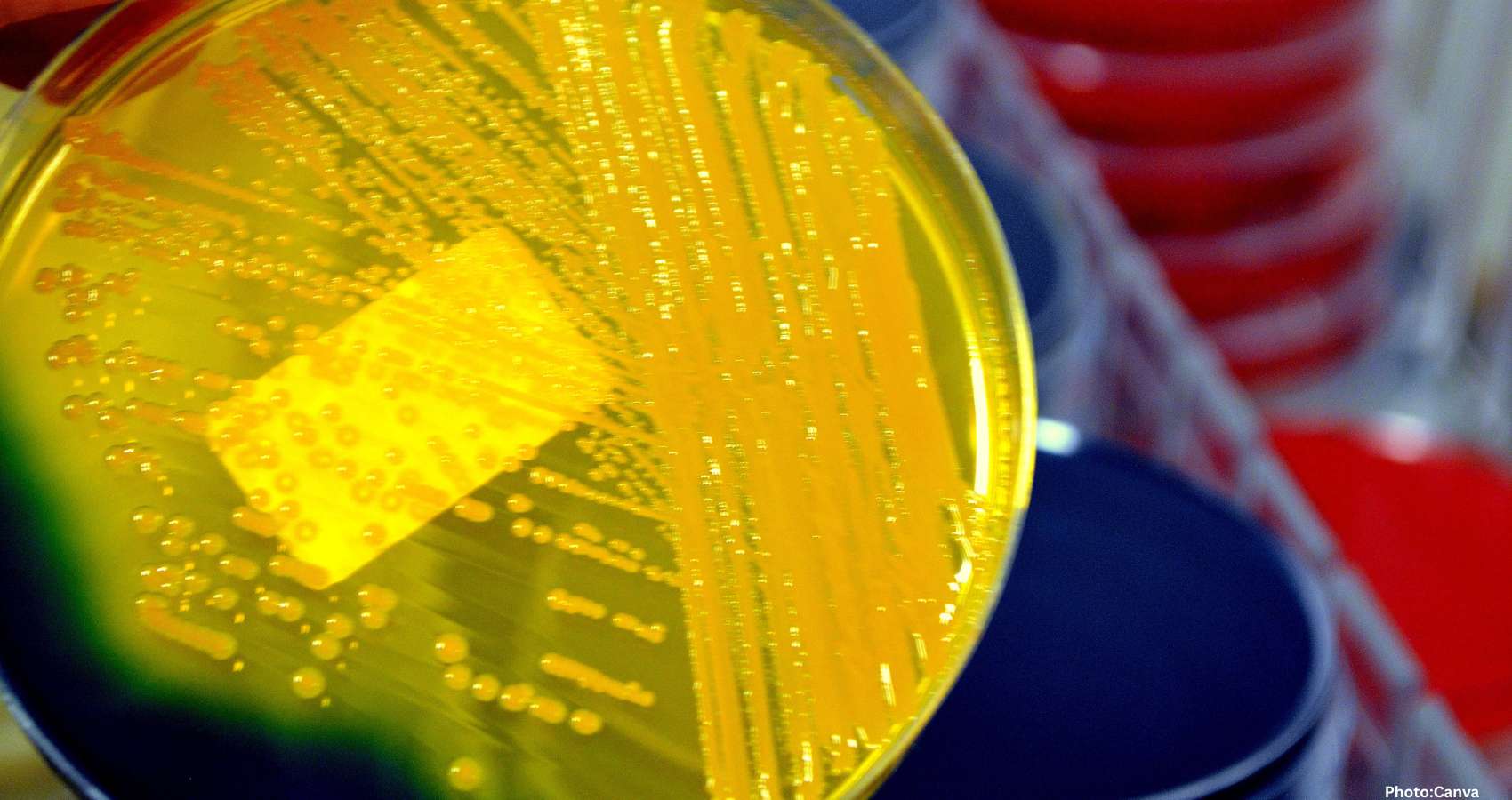
A new review highlights the growing threat of the drug-resistant fungus Candida auris in U.S. hospitals, while researchers identify potential weaknesses that could lead to new treatments.
Researchers have uncovered a possible vulnerability in the deadly hospital superbug Candida auris (C. auris), which could pave the way for new treatments for this drug-resistant fungal infection. The findings come as the fungus continues to spread rapidly through U.S. hospitals and poses an increasing threat globally.
Described as a “superbug fungus,” C. auris has garnered attention from health officials due to its ability to resist human immune systems. A recent scientific review published by researchers from the Hackensack Meridian Center for Discovery and Innovation (CDI) emphasizes the urgent need for new strategies to combat this pathogen. The review was published in early December and reinforces previous warnings from the Centers for Disease Control and Prevention (CDC), which has labeled C. auris an “urgent antimicrobial threat.” This designation marks the first time a fungal pathogen has received such a classification.
According to the CDC, approximately 7,000 cases of C. auris were reported across dozens of U.S. states in 2025, with the fungus identified in at least 60 countries worldwide. The review, conducted by Dr. Neeraj Chauhan of the Hackensack Meridian CDI, Dr. Anuradha Chowdhary from the University of Delhi’s Medical Mycology Unit, and Dr. Michail Lionakis, chief of the clinical mycology program at the National Institutes of Health, highlights the challenges in containing the pathogen. The researchers point out that outdated diagnostic methods and limited treatment options hinder effective responses to C. auris outbreaks.
The researchers stress the importance of developing “novel antifungal agents with broad-spectrum activity against human fungal pathogens,” as well as improving diagnostic tests and creating immune- and vaccine-based adjunct modalities for treating high-risk patients. They also advocate for increased awareness of fungal diseases and the establishment of better surveillance mechanisms, particularly in resource-limited countries. These advancements are crucial for improving outcomes for patients affected by opportunistic fungal infections.
C. auris was first identified in 2009 from a patient’s ear sample in Japan and has since spread to numerous countries, including the United States. Outbreaks of the fungus have led to the shutdown of some hospital intensive care units, underscoring its potential severity. The greatest risk from C. auris is posed to individuals who are critically ill, particularly those on ventilators or with compromised immune systems. Estimates suggest that about half of infected patients may die from the infection.
Unlike many other fungi, C. auris can survive on human skin and adhere to hospital surfaces and medical equipment, facilitating its spread in healthcare environments. Dr. Marc Siegel, a senior medical analyst at Fox News and clinical professor of medicine at NYU Langone, noted that the fungus is resistant to multiple antifungal drugs and often spreads through equipment used on immunocompromised patients, such as ventilators and catheters. Moreover, C. auris is frequently misdiagnosed, which can delay necessary treatment and infection control measures.
Dr. Siegel has previously highlighted the challenges posed by the symptoms of C. auris, which can include fever, chills, and body aches—symptoms that are common to many infections, leading to potential misdiagnoses. He indicated that research is ongoing to develop new treatments, as only four major classes of antifungal drugs are currently available, with C. auris demonstrating resistance to many of them. Although three new antifungal drugs have been approved or are in late-stage trials, researchers caution that drug development has struggled to keep pace with the fungus’s rapid evolution.
Despite these alarming findings, there is a glimmer of hope. In separate research published in December, scientists at the University of Exeter in England discovered a potential weakness in C. auris while studying the fungus in a living-host model. The research team found that during infection, the fungus activates specific genes to scavenge iron, a crucial nutrient for its survival. They believe that drugs targeting this process could halt infections or even allow for the repurposing of existing medications.
“We think our research may have revealed an Achilles’ heel in this lethal pathogen during active infection,” said Dr. Hugh Gifford, a clinical lecturer at the University of Exeter and co-author of the study. As researchers continue to explore the complexities of C. auris, health officials emphasize the importance of strict infection control measures, rapid detection, and sustained investment in new treatments.
Health experts want to reassure the public that C. auris primarily poses a threat to individuals with weakened immune systems and is not a danger to healthy individuals. As the situation evolves, ongoing research and vigilance will be essential in combating this formidable pathogen.
Fox News Digital has reached out to the CDI researchers and additional experts for further commentary on this pressing health issue. According to Fox News Digital, the fight against C. auris continues as researchers strive to develop effective treatments and preventive measures.