
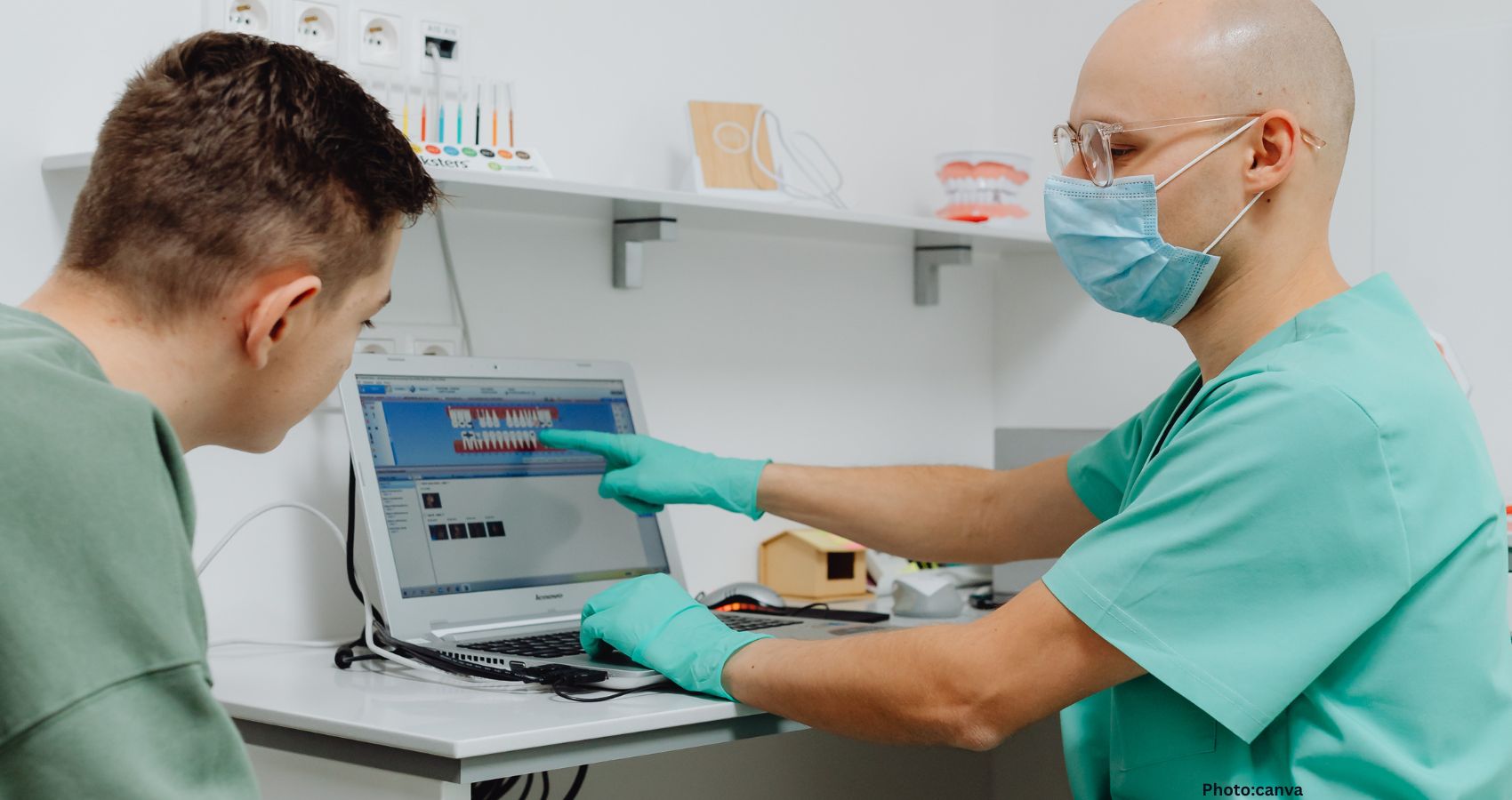
Rajesh, a 64-year-old architect, navigates the challenges of a prostate cancer diagnosis while seeking guidance on treatment options and lifestyle adjustments.
Rajesh*, a 64-year-old architect residing in Michigan, has been experiencing urinary difficulties, frequent nighttime awakenings, and recent pain. Following these symptoms, his primary care provider referred him to a urologist, who diagnosed him with Stage 1 prostate cancer. Concerned about his diagnosis, Rajesh sought advice on how to cope with this condition.
*Name changed upon request
Prostate cancer is a common form of cancer among men, with the likelihood of developing it increasing with age. According to Dr. Manoj Sharma, a urologist, the prostate gland is a small, walnut-shaped gland located below the bladder and in front of the rectum, surrounding the urethra. It plays a crucial role in the male reproductive system by secreting a fluid that helps maintain sperm health. Cancer arises from abnormal cell growth, and its primary danger lies in its potential to metastasize, or spread, to other parts of the body.
Statistics indicate that approximately 13 out of 100 men in the United States will be diagnosed with prostate cancer in their lifetime, accounting for about 30% of all cancers in men. The staging of prostate cancer is categorized as follows: Stage 0 indicates abnormal cells that have not spread; Stage 1 involves a small tumor confined to one area; Stage 2 features a larger tumor with spread to lymph nodes; Stage 3 indicates a deeply embedded tumor with lymph node involvement; and Stage 4 signifies metastasized cancer that has spread to other body parts.
When discussing the causes and risk factors associated with prostate cancer, Dr. Sharma noted that, like most cancers, the exact cause remains unknown. However, several risk factors have been identified:
Age is the most significant risk factor, with the likelihood of developing prostate cancer increasing as men grow older. A family history of prostate cancer, particularly involving DNA changes such as BRCA 1 and BRCA 2, also elevates risk. Other contributing factors include smoking or tobacco use, alcohol consumption, obesity, exposure to certain chemicals like Agent Orange and arsenic, and a history of sexually transmitted diseases.
For Rajesh, the next steps following his diagnosis are crucial. Dr. Sharma reassured him that his cancer was detected at an early stage and could potentially be cured with appropriate treatment. The urologist will devise a treatment plan, which may involve collaboration with radiation oncologists and medical oncologists. Possible treatment modalities include:
surgery to remove the prostate (radical prostatectomy), brachytherapy (inserting radioactive seeds in the prostate), external beam radiation therapy (EBRT), hormone therapy, chemotherapy, immunotherapy, cryotherapy, laser ablation, and high-intensity focused ultrasound.
As with any medical treatment, there are potential adverse effects associated with prostate cancer therapies. Dr. Sharma explained that while many individuals may not experience complications, some may encounter issues such as urinary leakage when pressure is applied to the abdomen (e.g., during laughter or coughing), erectile dysfunction (which can often be treated with medication), and infertility related to sperm quality, production, or ejaculation.
When discussing survival rates, Dr. Sharma emphasized the importance of Rajesh’s early diagnosis. He reassured Rajesh that the chances of surviving prostate cancer are generally favorable for most individuals. He encouraged Rajesh to focus on adhering to the treatment plan recommended by his urologist and to engage in activities that bring him joy. Maintaining a stress-free lifestyle, exercising regularly, eating a healthy diet, and spending quality time with family and friends are all beneficial.
In addition to conventional treatments, Rajesh inquired about the role of yoga and meditation in managing his condition. Dr. Sharma clarified that while yoga and meditation cannot cure or prevent prostate cancer, they can serve as complementary therapies. These practices may help manage the physical and psychological symptoms experienced by prostate cancer patients. Yoga postures can strengthen pelvic muscles, enhance circulation to the pelvic region, reduce inflammation, and assist in stress management. Meditation offers a meaningful way to enjoy life amidst the challenges of cancer.
For those seeking further information on prostate cancer, several resources are available, including the Cleveland Clinic, Mayo Clinic, Urology Care Foundation, and WebMD’s prostate cancer resource center. Additionally, there are various online videos demonstrating yoga exercises specifically designed for prostate health.
Individuals with questions or concerns about prostate cancer are encouraged to reach out to Dr. Manoj Sharma at editor@indiacurrents.com for further guidance.
The insights shared in this article are based on information provided by Dr. Manoj Sharma.