
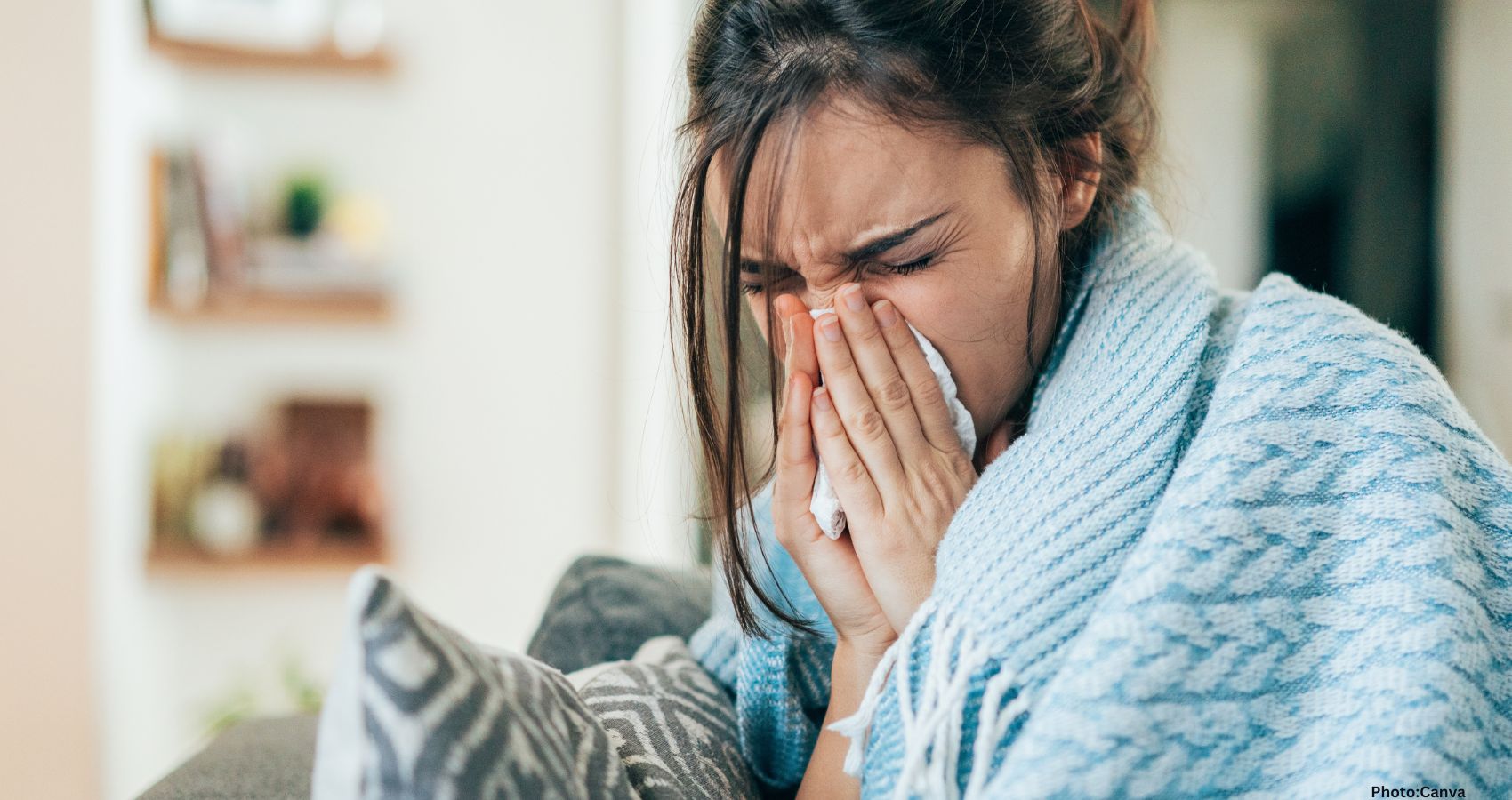
Flu season is intensifying as the new H3N2 variant raises concerns worldwide, prompting health experts to advocate for vaccinations and preventive measures to mitigate severe symptoms.
As flu season approaches, a new strain of the virus is emerging as a significant threat. The Influenza A H3N2 variant, specifically the subclade K variant, has been identified as a key factor in the rising number of cases globally, including in the United States.
Dr. Neil Maniar, a professor of public health practice at Northeastern University in Boston, discussed the early severity of this emerging strain in an interview with Fox News Digital. He noted, “It’s becoming evident that this is a pretty severe variant of the flu.” He emphasized that in regions where this variant has been prevalent, it has led to severe illness, indicating that this flu season is already showing aggressive characteristics.
The subclade K variant appears to differ significantly from previous flu strains, exhibiting heightened versions of common symptoms such as fever, chills, headache, fatigue, cough, sore throat, and runny nose. Dr. Maniar described this variant as the “perfect storm” for a challenging flu season, particularly as vaccination rates are lower this year and the current flu vaccine does not specifically target this strain.
“The vaccine is very important to get, but because it’s not perfectly aligned with this variant, I think that’s also contributing to some degree to the severity of cases we’re seeing,” he explained. “We’re going into this flu season with lower vaccination rates and a variant that in itself seems to be more aggressive.”
Dr. Maniar expressed concern that this flu season could be particularly difficult, both in terms of the total number of cases and the severity of those cases. He pointed out that because subclade K is “quite different” from earlier variants, there is less natural immunity within the community, which further heightens the risk of transmission and severity of illness.
Individuals who are unvaccinated face a greater risk of experiencing more severe symptoms and a higher likelihood of hospitalization, according to Dr. Maniar. He strongly recommends that people take preventive measures, including getting vaccinated and practicing good hygiene.
In addition to vaccination, Dr. Maniar advises frequent and proper handwashing. While the flu can spread through airborne transmission, he noted that various other illnesses, such as norovirus, can survive on surfaces for up to two weeks.
The holiday season also increases the risk of flu transmission, as gatherings, large events, and crowded public transport can expose individuals to others who may be ill. “Those who are not feeling well or exhibiting symptoms should please stay home,” Dr. Maniar urged. “Especially if you think you are in that contagious period of the flu or any of these other illnesses that we’re seeing, whether it’s norovirus or COVID or RSV.”
He added, “If you’re not feeling well, stay home. That’s a great way to recover faster and to ensure that you’re not going to get others around you sick.”
For individuals uncertain about their health status or diagnosis, Dr. Maniar recommends consulting a healthcare provider for testing. Some providers may be able to prescribe medication that can reduce the severity and duration of the illness.
“It’s important that everyone stays vigilant and tries to take care of themselves and their families,” he concluded.
As the flu season unfolds, public health experts continue to stress the importance of vaccinations and preventive measures to combat the spread of this aggressive new variant, ensuring that communities remain safe and healthy.
According to Fox News.