
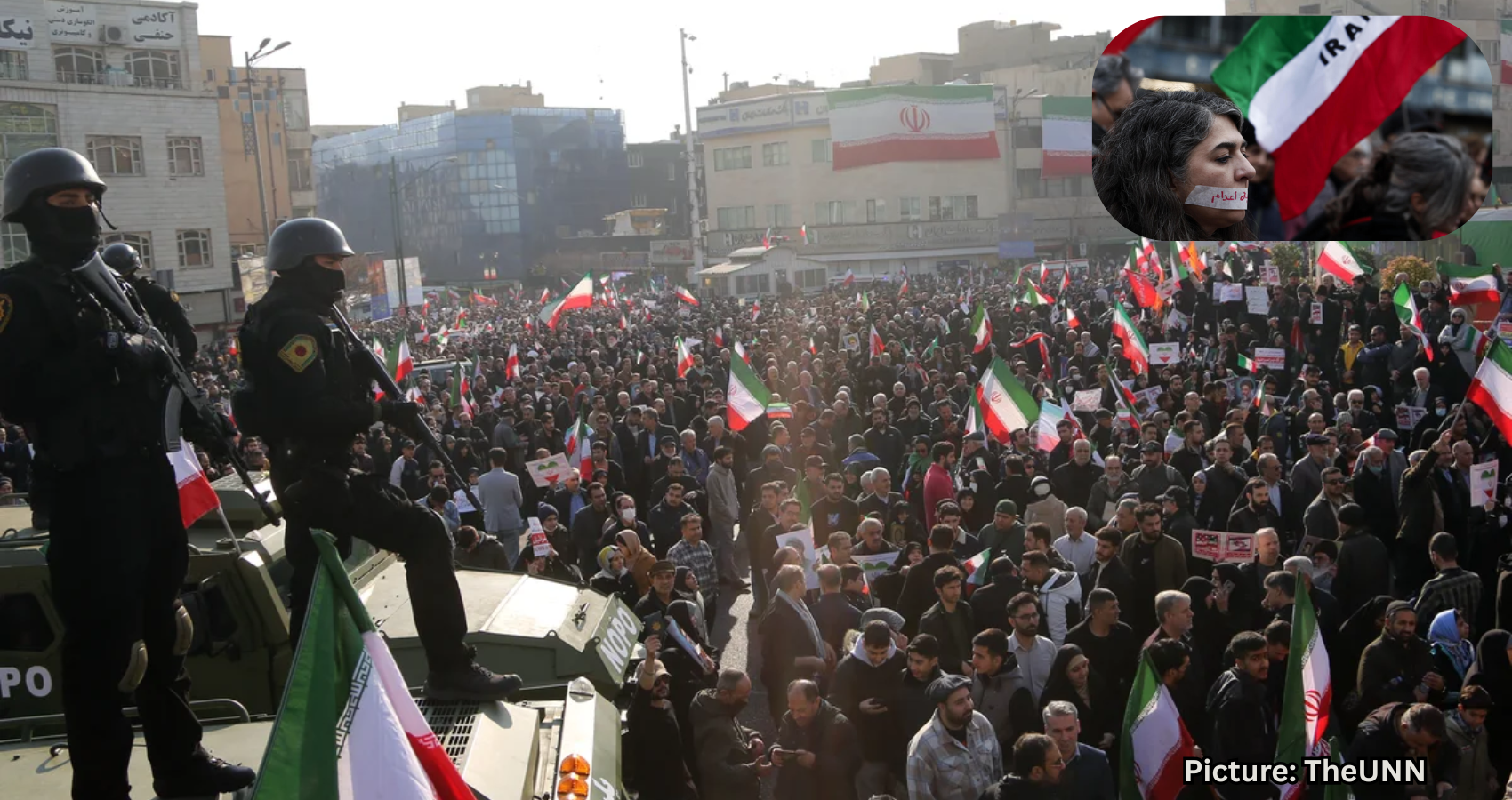
Iran has launched a new platform to crowdsource surveillance of its diaspora, prompting fears of intimidation and control among Iranians living abroad, according to reports and an official source.
Iran has introduced a controversial system that encourages citizens to report on fellow Iranians living abroad, effectively crowdsourcing surveillance of the diaspora. This initiative, known as Alaj—Persian for “remedy” or “cure”—utilizes a website and messaging platforms, including Telegram, to solicit information about individuals accused of acting against Iran’s national interests or security.
Reports from Iranian media indicate that the Alaj platform allows users to submit tips through its website, a Telegram bot, and Iran’s Bale messaging service. The initiative has received promotion from Iranian state television and the Revolutionary Guard-affiliated Fars News Agency. An official source confirmed to Fox News Digital that Alaj and its associated Telegram chatbot were created to facilitate the reporting of information regarding Iranians abroad. However, the website was taken down shortly after its launch, following significant criticism within Iran.
Although the website went offline, the reasons for its suspension remain unclear. According to Iran International, Alaj claimed to have identified and monitored 1,600 individuals, with approximately 600 of those identified through public reports. These figures have not been independently verified. The platform reportedly published names, photographs, and in some cases, national identification numbers, dates of birth, and fathers’ names of Iranians living outside the country.
Lisa Daftari, an Iranian-American journalist and foreign policy analyst, emphasized that the most alarming aspect of this initiative is not merely the collection of information, but the encouragement of Iranians to report on one another. “Even if it’s just the perception that other Iranians can report you or can get you in trouble or that this app exists, it makes a lot of people fearful,” Daftari told Fox News Digital. “You’ll think twice before going to that next protest.”
Daftari highlighted that this fear is particularly pronounced among members of the Iranian diaspora who have family still residing in Iran. “Now your face could be captured, you can get in trouble,” she noted. “If you have family in Iran, they can get into trouble.” She characterized this approach as a digital extension of a long-standing system of control, arguing that Iran’s clerical establishment has spent decades fostering uncertainty about whether neighbors, colleagues, or acquaintances might report one another to authorities.
“Now the regime wants to take this show on the road and do that here, here in the West,” Daftari remarked. “They want to intimidate people. And it works.” She recounted her own experiences with intimidation, stating that she has been followed, hacked multiple times, and approached in person in various locations, including Los Angeles and New York.
Daftari described a significant hacking incident that compromised her social media accounts and personal emails, leading her to work closely with local FBI agents. She recounted how hackers obtained private photographs of her and sent them to her husband, conveying a clear message: “We know where you are, we can reach you.” This tactic is intended to intimidate and silence those who speak out against the regime.
She noted that the effects of such intimidation extend beyond high-profile journalists or activists. Daftari recalled an incident where she filmed at a Los Angeles cafe during a World Cup game, observing people attempting to hide their faces from the camera out of fear that footage could reach Iran and endanger their relatives.
This dynamic illustrates why a system like Alaj can have a significant impact, even if targets are unaware of whether information about them has been submitted. The threat has altered Daftari’s own behavior, prompting her to constantly consider security when sharing personal details or planning events. “It does silence a lot of people and it does change the freedom by which we think we can operate here in the United States where we believe we have full freedom,” she stated.
“Their intimidation works,” she added. “It works to a certain extent on each individual.” Daftari argued that the broader implications of this campaign should inform how Americans perceive the confrontation with Tehran, suggesting that the threat extends beyond Iran’s nuclear ambitions.
“It’s not just about nuclear weapons; it’s about a deadly ideology that has made its way here to U.S. soil,” she concluded. “We have to understand that,” according to Fox News Digital.