
The Defending Education report ranks Tennessee first among all 50 states on parental rights, DEI, gender identity, and public school policies, highlighting the ongoing education battles across the nation.
The ongoing debate over educational content in public schools continues to fuel America’s culture wars. A new report has ranked every state, along with Washington, D.C., on some of the most contentious issues impacting classrooms today. The report, titled “Defending Education’s Rankings on Integrity in State Education,” was released on Thursday and evaluates states based on parental rights, diversity, equity and inclusion (DEI), gender and sexuality, teacher and union policies, and foreign influence.
Tennessee emerged as the top-ranked state, followed closely by Alabama, Florida, North Carolina, and Iowa. In contrast, Washington, D.C., received the lowest ranking, followed by Rhode Island, California, Oregon, and Illinois. Notably, the rankings do not consider academic performance indicators such as test scores or graduation rates. Instead, the report aims to illustrate how states are addressing pressing issues as parents increasingly demand transparency in their children’s education.
“For the first time, parents have a single resource to see how their state handles the issues they’ve voiced concerns about over the last five years,” said Paul Runko, senior director of strategic initiatives at Defending Education. “This empowers them to evaluate local schools and hold leaders accountable at the ballot box.”
The report categorized its findings into five main areas, with parental rights being a particularly contentious category. In this area, North Carolina, South Carolina, Tennessee, and West Virginia achieved top scores, reflecting policies that enhance parental involvement in decisions regarding student gender transitions, sex education, and participation in related lessons.
In the realm of teacher policies, Georgia, Mississippi, North Carolina, and South Carolina received perfect scores. The report highlighted that laws governing teacher unions, strikes, collective bargaining, and work authorization requirements were significant factors in these evaluations.
When it comes to DEI initiatives, Iowa, Missouri, and West Virginia led the rankings after receiving high marks for laws that restrict DEI initiatives and address issues related to restorative justice, teacher diversity, and antisemitism.
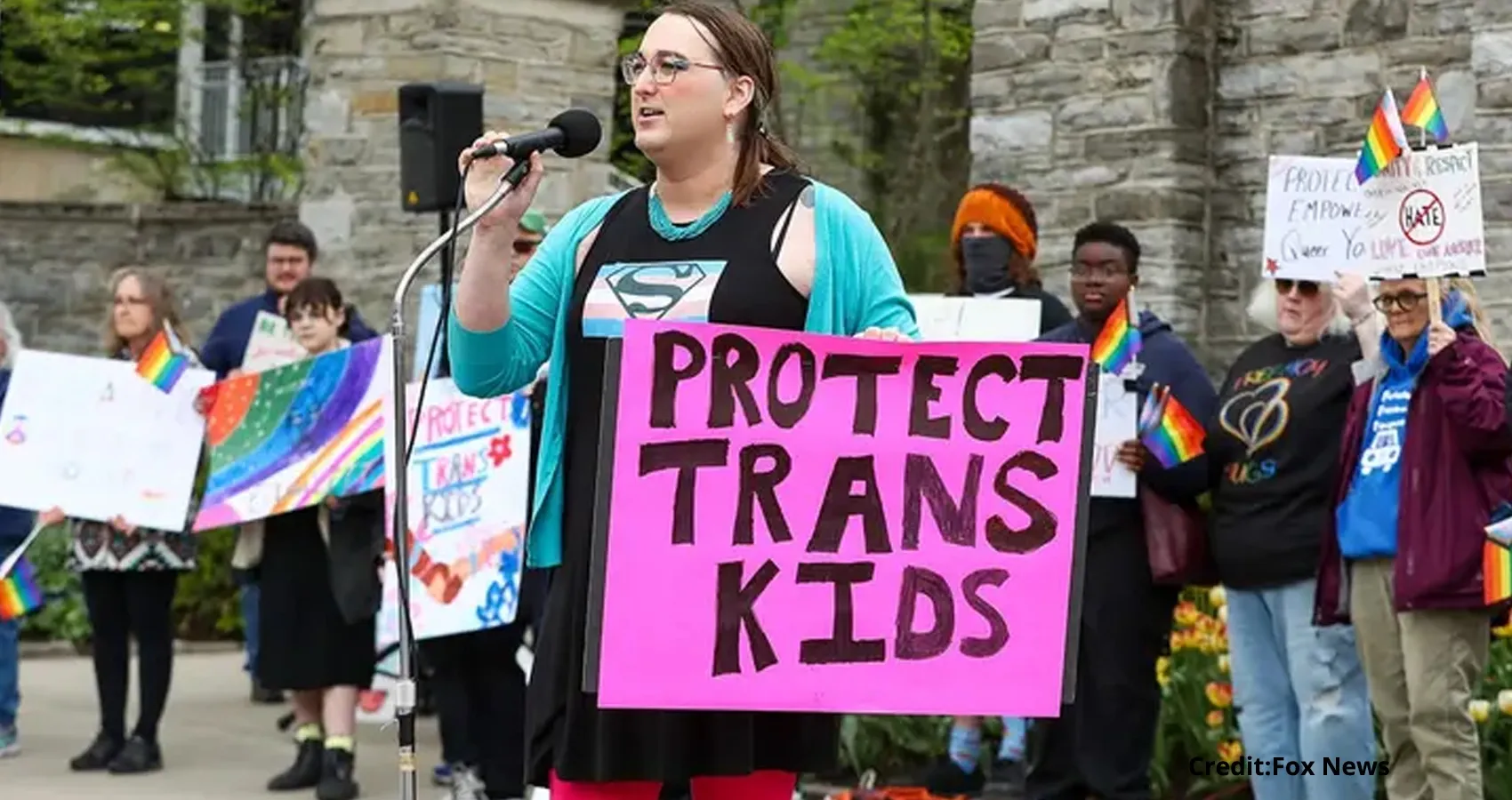
Another significant area of contention in education has been the discussion surrounding gender identity and the participation of transgender athletes in women’s sports. The report assessed state policies that block LGBTQ-specific curricula, restrict transgender athlete participation, and implement nondiscrimination and anti-bullying laws related to gender identity. Alabama, Florida, and Indiana were noted for achieving the highest scores in this category.
The report also examined policies beyond classroom instruction. Seven red states received perfect scores for laws aimed at limiting Chinese government influence in education, including Confucius Institutes and China-backed language and cultural education centers. Alabama, Florida, Indiana, North Carolina, Ohio, Tennessee, and Texas excelled in this area.
Dr. Terry Stoops, director of government affairs at Defending Education, expressed his congratulations to the states that topped the rankings. “If your state is at the top of Defending Education’s rankings, congratulations!” he stated. “You live in a state with public school policies that prioritize sound academics over shameless antics.”
Stoops also criticized the leaders of the lowest-scoring states, accusing them of compromising educational excellence in favor of social justice agendas. “For parents in bottom-feeder states who value rigor over ridiculousness, the choice is either fight or flight,” he remarked.
As more blue states adopt DEI and social justice policies, the report aims to provide parents with a clearer understanding of their state’s educational landscape and how these policies may affect their children and future generations. The findings underscore the deep divisions in educational approaches across the nation, reflecting broader societal debates.
According to Fox News, the report serves as a crucial resource for parents seeking to navigate the complexities of education policy in their states.