
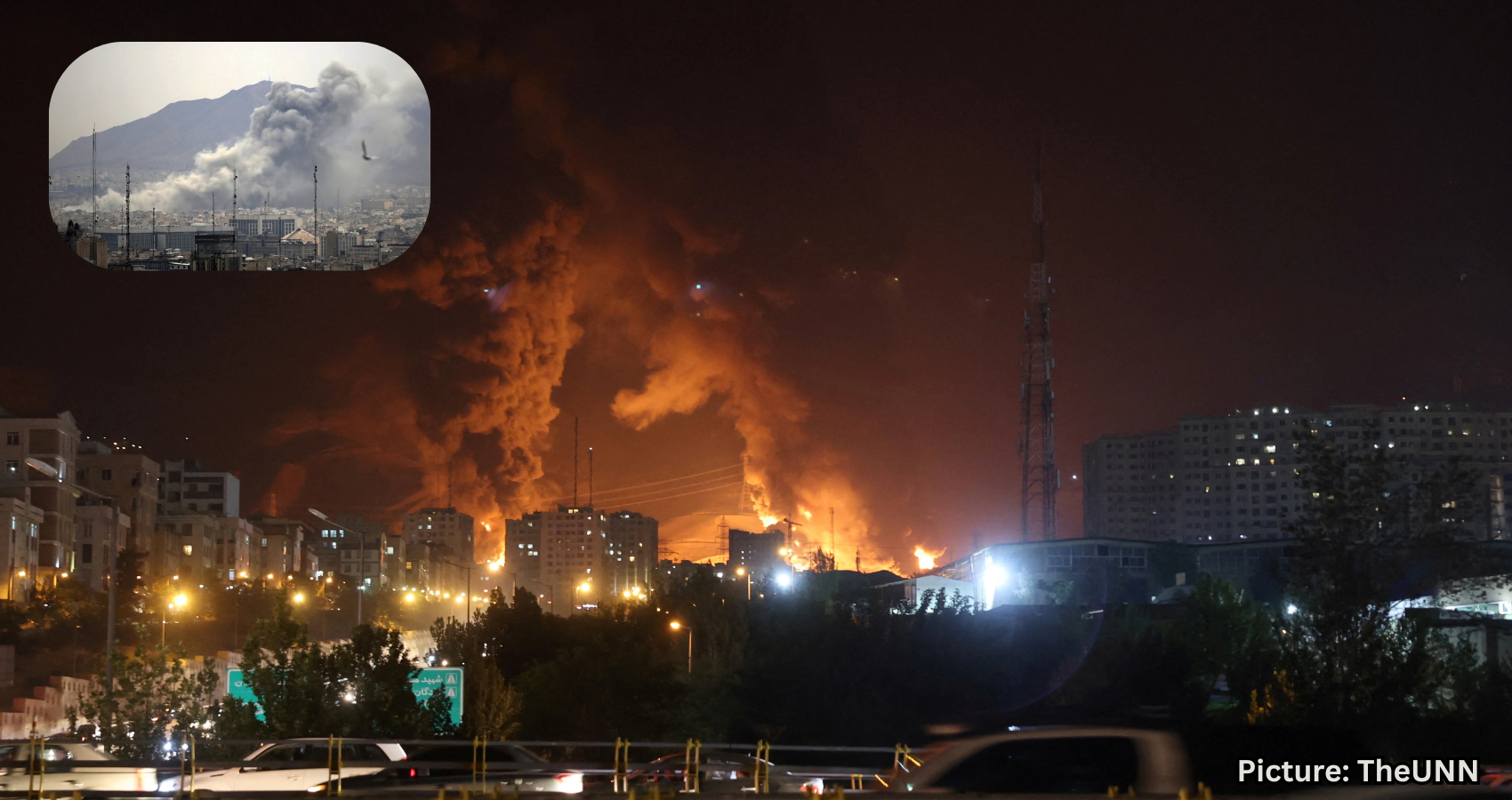
Fighting in Yemen has intensified amid the ongoing US-Israel-Iran conflict, with the UN warning that up to 230,000 people could be displaced if hostilities continue.
The situation in Yemen has escalated, raising fresh concerns in the Middle East as the UN warns that up to 230,000 Yemenis could be displaced if the fighting persists. This warning comes as Yemeni government forces report renewed airstrikes targeting Houthi positions in Taiz province.
The ongoing conflict in Yemen is closely monitored due to its implications for the broader US-Israel-Iran war. The Houthis, who have been engaged in the Yemen war for years, receive backing from Iran, further complicating the regional dynamics.
Recent clashes are particularly significant given Yemen’s strategic location near the Red Sea. The UNHCR representative in Yemen has expressed grave concerns, stating that if the fighting does not cease, the number of displaced individuals could rise dramatically. Many Yemenis have already been forced to flee their homes during the protracted conflict, and a further increase in displacement would place additional strain on shelters and aid organizations.
In the latest developments, Yemeni government forces reported that the Saudi-led coalition conducted intense airstrikes on Houthi sites west of Taiz province. These strikes targeted Houthi gatherings and weapons depots, coinciding with ongoing clashes between the Houthis and government forces in the region.
The fighting between the Houthis and Yemeni government forces has persisted for over a decade, with numerous attempts made to reach a political resolution. The recent escalation raises fears of further civilian displacement, worsening an already dire humanitarian crisis.
The displacement crisis in Yemen is exacerbated by the need for families fleeing conflict zones to find shelter, food, water, and medical assistance. Aid groups are operating under challenging conditions, and an increase in displacement would complicate their efforts to provide necessary support.
Yemen’s geographical significance cannot be understated, particularly its proximity to the Bab el-Mandeb Strait, a crucial waterway connecting the Red Sea to the Gulf of Aden. Any major security issues in this area could disrupt international shipping routes, impacting global trade.
Iran’s involvement in the Yemen conflict remains a critical concern, as its support for the Houthis ties the situation to broader regional tensions. The Houthis have maintained close ties with Tehran, and their actions are increasingly viewed as part of the larger confrontation involving Iran, Israel, and the United States, drawing heightened international attention to the conflict.
Saudi Arabia has been a key player in the Yemen conflict for years, and the recent airstrikes by the Saudi-led coalition underscore that Yemen continues to be a significant security concern for Riyadh. Ongoing hostilities could create new security risks along the region’s borders and waterways.
The future of Yemen remains uncertain, with immediate concerns centered on whether the fighting will continue and force more people to abandon their homes. The UN’s warning that the number of displaced individuals could reach 230,000 if the conflict persists highlights the urgent need for a resolution. Further military actions could exacerbate the humanitarian crisis, making the situation increasingly precarious.
According to The Sunday Guardian, the unfolding events in Yemen are critical not only for the local population but also for regional stability and international shipping routes.