
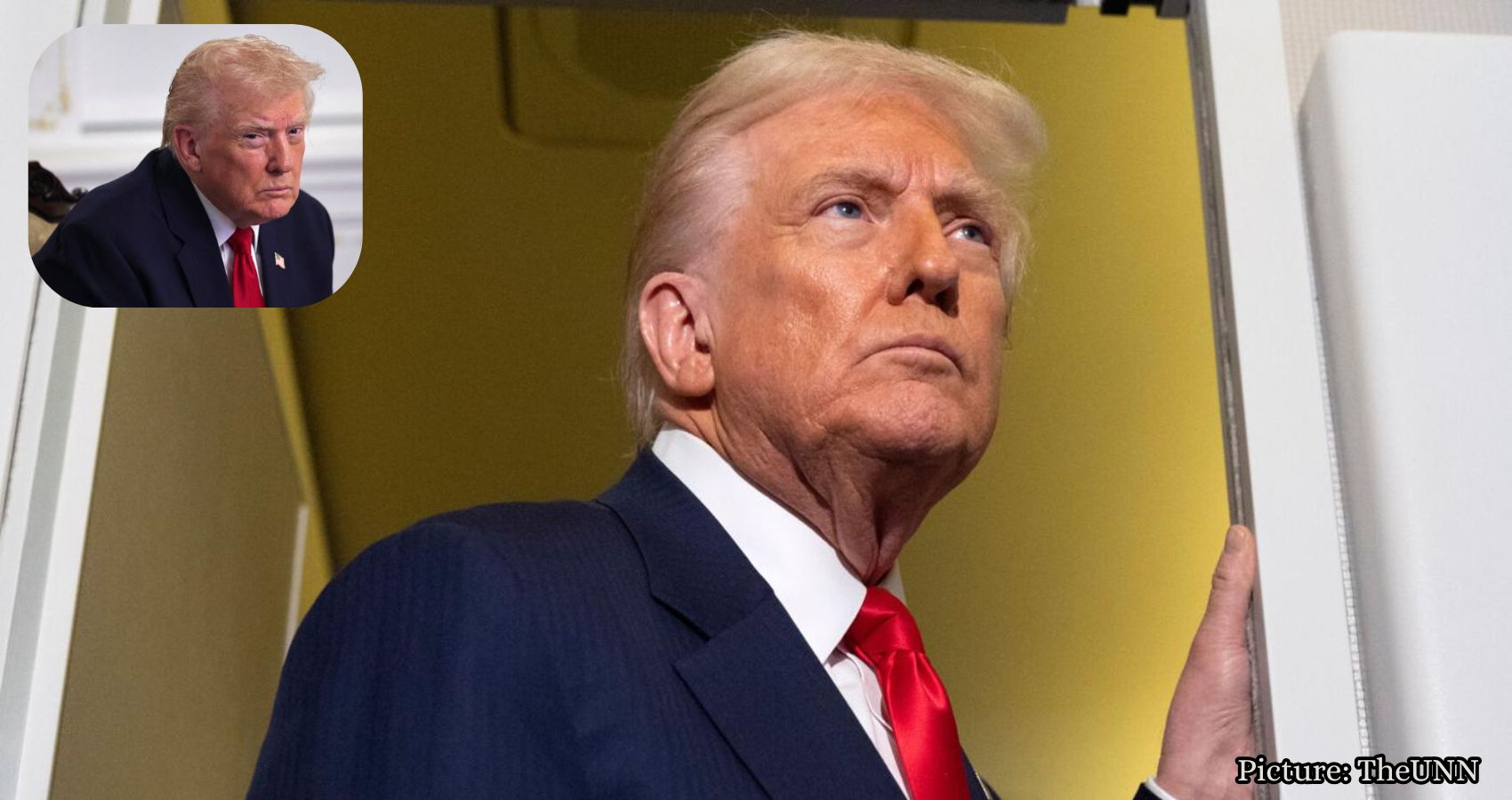
Recent polling indicates a notable decline in support for President Trump among Hispanic voters, primarily due to dissatisfaction with his economic and immigration policies as the midterm elections approach.
Recent polling reveals a significant decline in support for President Donald Trump among Hispanic voters, primarily driven by dissatisfaction with his economic and immigration policies. This trend raises questions about the Republican Party’s prospects in the upcoming midterm elections.
As the midterm elections approach, data shows that Hispanic voters, a crucial demographic in the 2024 presidential election, are increasingly discontent with Trump’s policies. A September poll conducted by the New York Times and Siena University found that over 65% of Hispanic voters expressed dissatisfaction with Trump’s job performance, while 78% indicated a preference for Democratic control of Congress.
Clarissa Martinez De Castro, vice president of the Latino Vote Initiative at UnidosUS, highlighted key issues shaping voters’ opinions. She stated, “When we ask voters, ‘OK, what is shaping your opinion about the president?’ The cost of living was number one, number two was immigration enforcement and deportation in U.S. cities, number three is back to the economy – wages.” This feedback underscores the multifaceted concerns within the Hispanic community, emphasizing that economic issues are paramount.
Frustration stemming from the Trump administration’s policies appears to be driving many Latino voters away from the Republican Party. Mike Madrid, a campaign consultant and veteran analyst of Latino voting patterns, noted, “There’s no renewed affinity or love for the Democratic Party. They’re just extremely upset and disillusioned and angry, frankly, with Donald Trump. So they’re gonna leave the Republicans for the exact same reasons that they left the Democrats two years ago.”
Supporting these findings, a Fox News survey in September revealed that approximately 63% of Hispanic respondents plan to vote for the Democratic congressional candidate in their district. An earlier poll by UnidosUS from April to May 2023 indicated that 54% of Hispanic voters favored Democratic House candidates, compared to just 27% who supported their Republican counterparts.
Economic issues, particularly rising costs and inflation, have emerged as top concerns for Hispanic voters. Trump’s economic populism had initially garnered him support in the 2024 election. However, dissatisfaction with his handling of the economy has grown, exacerbated by persistent inflation rates hovering around 3.4% and a recent surge in gasoline prices, which have exceeded $4 per gallon due to geopolitical tensions, including the conflict in Iran.
In response to the recent polling, White House spokesperson Allison Schuster asserted that “hard-working Hispanic Americans are beginning to have some breaking room after four years of economic pain under the Democrats.” She pointed to policies such as middle-class tax cuts and efforts to combat inflation, stating that Trump was “honored to receive a record level of support from Hispanic Americans that helped fuel his landslide 2024 election victory.”
Immigration remains a contentious issue, particularly as the Trump administration has intensified its enforcement measures in Latino communities. Some residents have accused the administration of racial profiling, claiming that federal agents are disproportionately targeting immigrants for deportation. However, polling data suggests that immigration is not the top priority for many Latino voters, contradicting assumptions often made by politicians.
According to the UnidosUS poll, only 17% of respondents indicated a desire for elected officials to prioritize increasing border security, while 13% supported the deportation of all undocumented immigrants, regardless of their duration in the U.S. This data challenges the prevailing narrative that immigration is the primary concern for Hispanic voters.
Hispanic voters who supported Trump are part of a larger group of so-called “swing” voters, representing approximately 40% of the Hispanic electorate. This demographic is characterized by a lack of strong allegiance to either political party, often feeling disillusioned with both sides. Martinez noted, “You have 40% of voters here for whom many of them say they don’t see the difference between the parties in terms of who really is going to be better.”
This sentiment serves as a warning to political candidates from both parties. Madrid emphasized the need for deeper engagement, stating, “That tells candidates: you have homework to do, and the clock is ticking.” He criticized the political establishment for failing to understand the complexities of Latino voters’ needs and preferences, attributing this gap to misleading polling and inadequate outreach efforts.
As the November elections draw closer, both Republicans and Democrats face an uphill battle in appealing to Latino voters. While current trends indicate a preference for Democratic candidates, analysts warn that this support is not guaranteed to persist in future elections. Madrid remarked, “Latino voters themselves are changing, which is why the Latino vote has changed. And you can’t come up with a solution until you understand that,” according to Source Name.