
South Korea and the United States are set to hold critical defense talks in Busan from September 16 to 18, 2026, amid rising tensions in the Strait of Hormuz involving Iran.
South Korea and the United States will convene their biannual senior-level defense talks from September 16 to September 18, 2026, in Busan, South Korea. This meeting, known as the 29th Korea-U.S. Integrated Defense Dialogue (KIDD), comes at a pivotal moment as Seoul faces increasing pressure from Washington to deploy naval assets to the Strait of Hormuz amid ongoing regional tensions involving Iran.
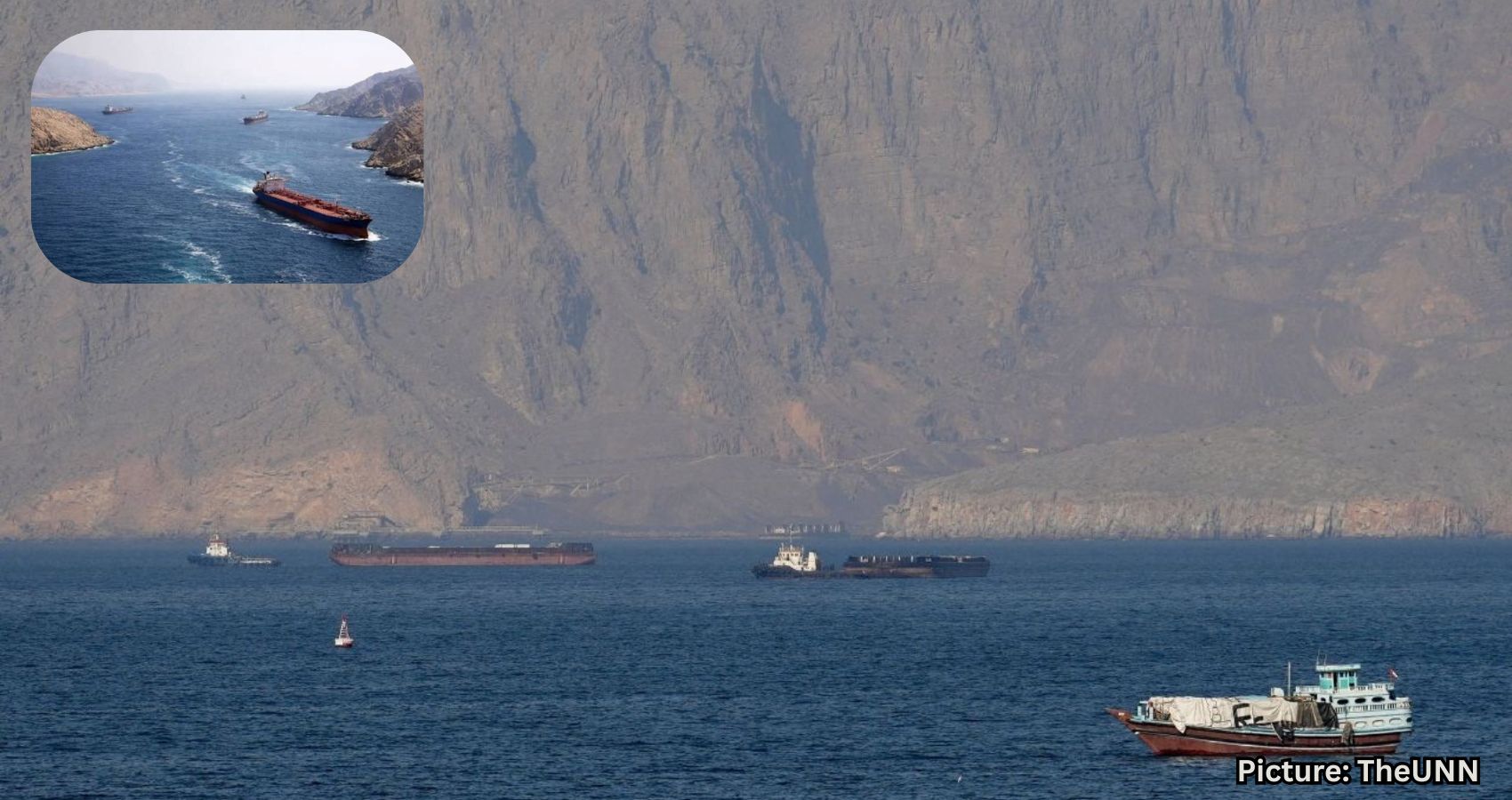
The agenda for the KIDD talks will address several key issues, including the potential deployment of South Korean naval forces to the strategically vital Strait of Hormuz. While the South Korean government has stated that “nothing has been decided,” it has recently sent a field survey team to the United Arab Emirates (UAE) to assess port facilities, military bases, and the overall security environment. The discussions are expected to cover the scope, timing, and composition of assets that could be deployed, such as the Cheonghae Anti-Piracy Unit, maritime patrol aircraft, or mine clearance systems, should Seoul formally join the U.S.-led maritime coalition.
Another significant topic on the agenda will be South Korea’s push to accelerate the transfer of wartime operational control (OPCON) from the United States to Seoul. The South Korean government aims to complete crucial verification phases before the end of the decade, moving toward regaining full control over its military operations during active conflict.
The choice to host the KIDD meeting in Busan, rather than in Seoul or Washington, marks a symbolic shift, emphasizing the growing defense industrial ties between the two nations. It also serves to showcase South Korea’s commercial and naval shipbuilding capabilities to visiting U.S. officials.
The geopolitical stakes surrounding South Korea’s potential involvement in the Strait of Hormuz are significant. U.S. President Donald Trump has publicly called for major oil-importing nations to contribute to the security of this critical waterway, which facilitates approximately 20% of global oil trade. For the administration of South Korean President Lee Jae-myung, the decision to deploy military assets carries substantial political risks, as the country relies heavily on the Strait of Hormuz for a large portion of its crude oil imports.
However, any official military deployment would require approval from South Korea’s National Assembly, where there is considerable domestic political opposition and public protests against such actions. Additionally, Iran has issued stern warnings, stating that any South Korean military presence in the Gulf would be interpreted as support for U.S. aggression and would result in “serious consequences.”
The issue remains highly sensitive for Seoul, balancing conflicting domestic and international interests. South Korea’s energy security is at stake, as the Strait of Hormuz historically accounts for up to 70% of its crude oil imports. Domestically, the administration faces significant friction, with public opinion polls indicating that approximately 55% of South Koreans oppose sending military assistance. Under South Korean law, any overseas troop deployment requires formal approval from the National Assembly, further complicating the decision-making process.
The debate over deployment options intensified following the fact-finding mission sent by Seoul to the UAE. According to defense ministry logs, the field survey team evaluated local military bases, logistics support, maintenance capabilities, port conditions, and the volatile operational environment near the Strait of Hormuz. Should President Lee’s administration decide to proceed with deployment, the KIDD talks will determine the size and composition of the task force, which may involve retasking the existing Cheonghae Anti-Piracy Unit or focusing on maritime non-combat support.
In parallel with the KIDD talks, South Korea’s National Security Council (NSC) Standing Committee is scheduled to meet on September 17 to assess the findings from the field team. This independent assessment will play a crucial role in shaping the discussions and potential decisions regarding military involvement in the Gulf region.
Beyond the immediate concerns in the Middle East, a central priority for Seoul remains the transfer of wartime operational control (OPCON) from Washington. Currently, the U.S. maintains command over combined forces during active warfare. South Korea is aggressively pursuing the completion of the second phase of verification—known as Full Operational Capability (FOC)—with the explicit goal of announcing a definitive target year for the transfer during this fall’s defense chiefs’ meeting. President Lee aims to finalize the transfer either next year or before the conclusion of his five-year term in 2030.
As the KIDD talks approach, the outcomes will be closely monitored, given their potential implications for regional security and the dynamics of U.S.-South Korea relations.
According to The Sunday Guardian.