
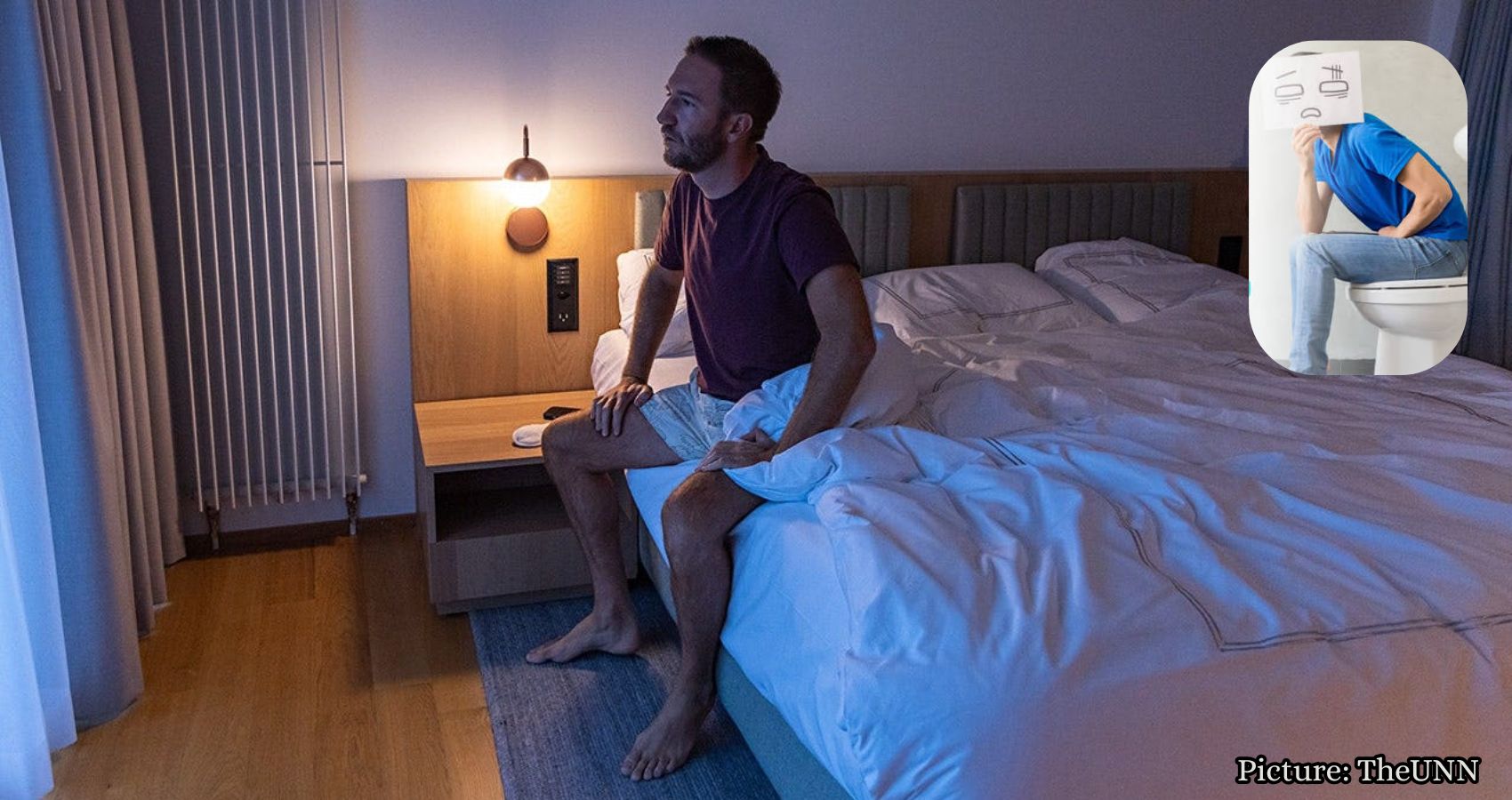
Frequent nighttime urination, known as nocturia, can indicate serious health issues such as sleep apnea or diabetes, especially in adults over 50, experts warn.
Nocturia, the medical term for excessive nighttime urination, affects nearly half of adults over the age of 50. While getting up once during the night to use the bathroom is common, health experts caution that repeated trips may signal underlying health concerns.
According to a recent report from StudyFinds, waking up more than once a night to urinate meets the clinical definition of nocturia. The International Continence Society defines nocturia as any nighttime trip to the bathroom, but the frequency of these trips, the disruption they cause, and any changes from an individual’s normal pattern are also significant factors.
“Everyone has a baseline of what’s normal urinary frequency for them,” said Dr. Ali Dabaja, a urologist at Henry Ford Health in Michigan. “But if you wake at least twice to go to the bathroom during eight hours of sleep, that’s considered nocturia.”
Experts emphasize that nocturia is not merely a bladder issue. Dr. Jeffrey Chester, a licensed physician and medical director of The Ohana Luxury Addiction Treatment Center in Hawaii, noted that changes in nighttime urinary patterns warrant a discussion with a healthcare provider. This is particularly true if the changes occur suddenly, become more frequent, or disrupt sleep.
Factors such as alcohol and caffeine consumption, the timing and amount of fluid intake, and certain medications can all contribute to nocturia. Dr. Chester pointed out that these elements can significantly impact nighttime urination patterns.
Catherine Darley, a naturopathic doctor and founder of Skilled Sleeper in Seattle, agrees that waking up once during the night is typically not a cause for concern. However, she warns that more than one trip can be “concerning.” Frequent nighttime bathroom visits can increase the risk of falls, especially among individuals with mobility or balance issues. Research indicates that two or more nightly trips to the bathroom are associated with a heightened risk of fall-related injuries, as reported by StudyFinds.
Sleep disorders may also play a role in nocturia. Darley highlighted that conditions such as obstructive sleep apnea can disrupt hormone levels that help suppress urine production overnight. Additionally, restless legs syndrome, which is more prevalent in older adults, can contribute to nighttime urination.
For those experiencing nocturia, Darley recommends starting with a consultation with a primary care provider to identify any underlying causes. She also advises checking with doctors and pharmacists to determine if medications might be influencing frequent bathroom trips. In some instances, adjusting the timing of medications could help reduce late-night awakenings.
Other potential causes of nocturia include diabetes, an overactive bladder, an enlarged prostate, and fluid retention. To manage symptoms, Darley suggests adopting simple habits such as avoiding drinking fluids for about two hours before bedtime and refraining from alcohol consumption at least three hours before sleep.
Furthermore, she recommends practical safety measures for those who may be at risk of falls. These include keeping floors free of rugs and clutter, using gentle amber lighting, sitting on the edge of the bed before standing to prevent dizziness, and installing grab bars for additional support.
As nocturia can be indicative of more serious health issues, it is crucial for individuals experiencing frequent nighttime urination to seek medical advice. Early intervention can lead to better management of underlying conditions and improve overall quality of life, according to StudyFinds.