
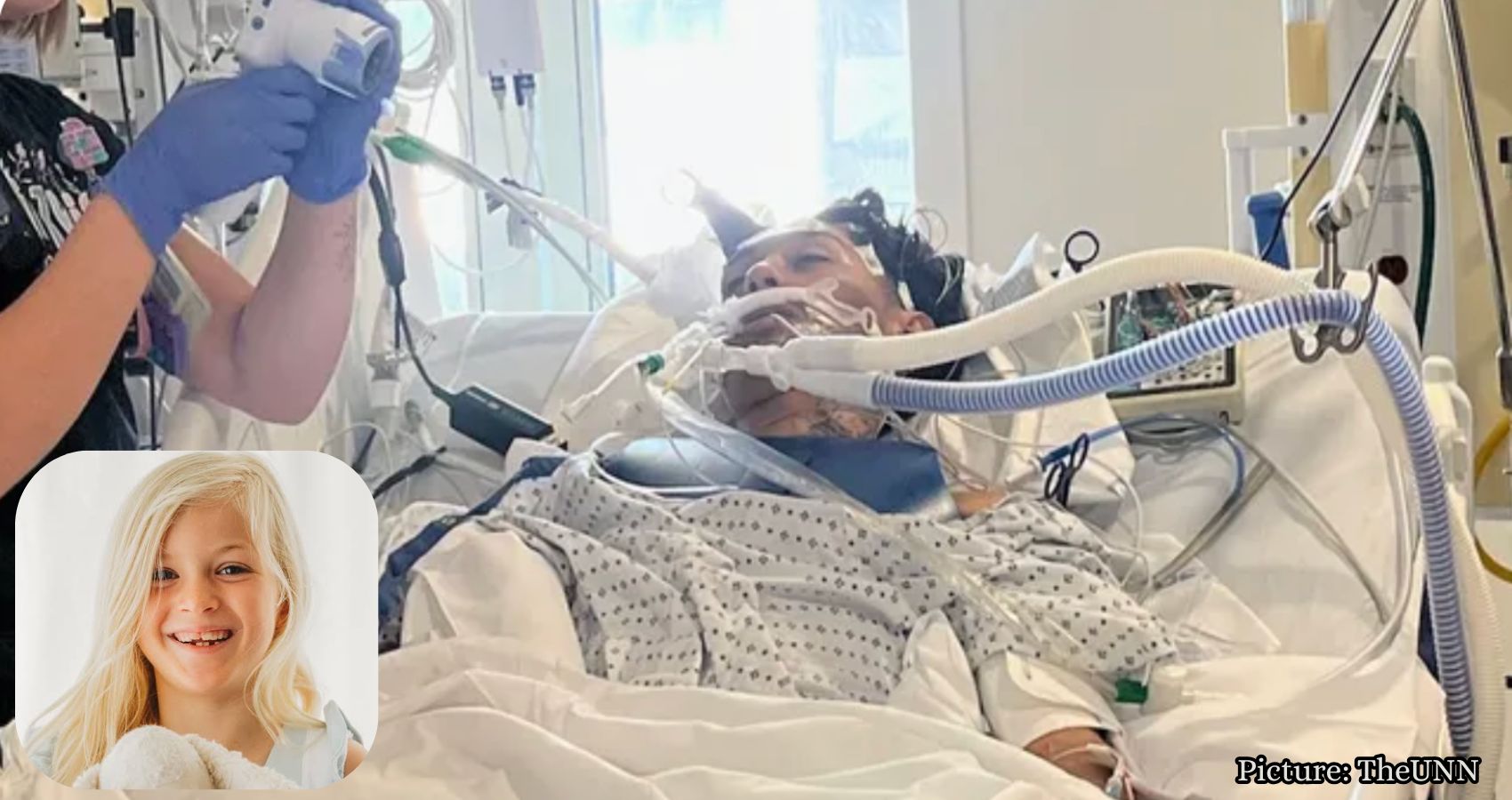
A North Carolina teenager has died from a rare brain-eating amoeba infection, just days after an 8-year-old girl in Louisiana succumbed to the same illness.
A North Carolina teenager has tragically died from a rare and often fatal infection caused by an amoeba found in warm freshwater, according to state health officials. The teen’s mother shared details of his illness on a GoFundMe page, revealing that his first symptom was severe headaches.
“I never imagined that something like this could be so serious,” she wrote in the fundraising appeal.
The infection was caused by Naegleria fowleri, a one-celled organism that typically inhabits ponds, lakes, and rivers. In a statement, the North Carolina Department of Health and Human Services expressed condolences to the family, friends, and community affected by this loss.
This tragic incident occurred just days after an 8-year-old girl in Louisiana also succumbed to the same infection. State Epidemiologist Dr. Zack Moore emphasized the rarity of such infections but noted the importance of awareness, stating, “While these infections are very rare, this is an important reminder that this amoeba is present in our state and across the U.S.” He also mentioned that there are precautions individuals can take to reduce their risk of infection while swimming during warmer months.
Naegleria fowleri, commonly referred to as a “brain-eating amoeba,” causes a life-threatening brain infection known as primary amebic meningoencephalitis (PAM). The amoeba is most active during the warmer months when water temperatures rise.
“It’s typically this time of year when it’s very hot outside, when there hasn’t been a lot of rain, and the lakes and ponds get pretty stagnant and warm,” explained Dr. Jeffrey Kahn, chief of pediatric infectious diseases at UT Southwestern and Children’s Health in Dallas, Texas. “That’s a great breeding ground for these types of natural inhabitants of those waters.”
The infection can occur when water containing the amoeba is forced up the nose, allowing it to travel to the brain. This can happen when someone jumps or dives into the water or participates in water sports. Dr. Kahn warned, “Once that happens, it’s nearly a lethal disease,” noting that the mortality rate is close to 100%.
Naegleria fowleri does not cause illness through ingestion. The initial symptoms of PAM typically appear about five days after exposure, although they can manifest sooner. Early signs often include headache, nausea, fever, and vomiting, according to the Centers for Disease Control and Prevention (CDC).
As the infection progresses, individuals may experience confusion, slurred speech, stiff neck, disorientation, hallucinations, seizures, and coma. Dr. Kahn pointed out that the initial symptoms are nonspecific and can rapidly escalate.
Diagnosis of PAM involves testing cerebrospinal fluid obtained through a spinal tap, and specialized laboratory testing may be necessary. Symptoms can begin anywhere from one to 12 days after exposure, but once they start, the disease progresses quickly. Most individuals die within one to 18 days after symptoms begin, typically around five days, according to the CDC.
To prevent potentially fatal infections, Dr. Kahn recommends avoiding waters where the amoeba is likely to be found or taking additional precautions. “If you are swimming in those waters, wear a nose clip and avoid putting your head underwater,” he advised.
Drinking contaminated water does not pose a risk for infection, and the disease does not spread from person to person. The CDC also advises against stirring up sediment at the bottom of lakes, ponds, and rivers, as the amoeba is often found in soil.
When a patient is diagnosed with a brain-eating amoeba, treatment typically involves a combination of antimicrobial and anti-amoebic medications, including amphotericin B, azithromycin, rifampin, and miltefosine. However, Dr. Kahn noted that with such a small number of cases each year, it is challenging to draw definitive conclusions about treatment efficacy.
“In the cases we’ve seen, we typically throw a lot of these antibiotics as a therapeutic modality, but by the time the amoeba enters the brain and starts to erode brain tissue, it’s too late,” he explained.
The CDC recommends that anyone experiencing sudden headaches, fever, stiff neck, or vomiting—especially if they have recently been swimming in warm freshwater—should seek immediate medical attention.
According to Fox News, the recent deaths underscore the importance of awareness and caution when engaging in water activities during the warmer months.