
Two unvaccinated residents in Pennsylvania have died from measles, marking the state’s first deaths from the virus in 35 years amid a significant outbreak.
Pennsylvania has confirmed two measles-related deaths, the first in the state in 35 years, according to the Pennsylvania Department of Health (DOH). Both individuals were unvaccinated and resided in Lancaster County, contributing to a total of 393 confirmed cases of measles across 28 counties this year.
The DOH emphasized that the best way to prevent measles infection is through vaccination with the measles, mumps, and rubella (MMR) vaccine. Administered in two doses, the MMR vaccine can provide up to 97% lifetime protection against the virus, according to health officials.
Pennsylvania Secretary of Health Dr. Debra Bogen expressed her condolences to the families affected by the recent deaths. In a statement, she noted the unfamiliarity many residents have with measles due to its elimination in the state for over three decades. “We want to ensure that every Pennsylvanian has the information they need to protect themselves, their loved ones, and their communities,” she said.
Dr. Bogen also reassured the public about the safety of the MMR vaccine, stating, “As a physician, I want to make sure that people understand the MMR vaccine is safe and provides the best protection we have against measles.”
Measles is known to be a highly contagious virus, with data indicating that it can be fatal in one to three patients per 1,000 cases. The virus can lead to severe health complications, including pneumonia and encephalitis, with nearly 20% of those infected requiring hospitalization.
The virus spreads through respiratory droplets when an infected person coughs, breathes, or sneezes. Experts warn that it can remain infectious in the air and on surfaces for up to two hours after the infected individual has left the area.
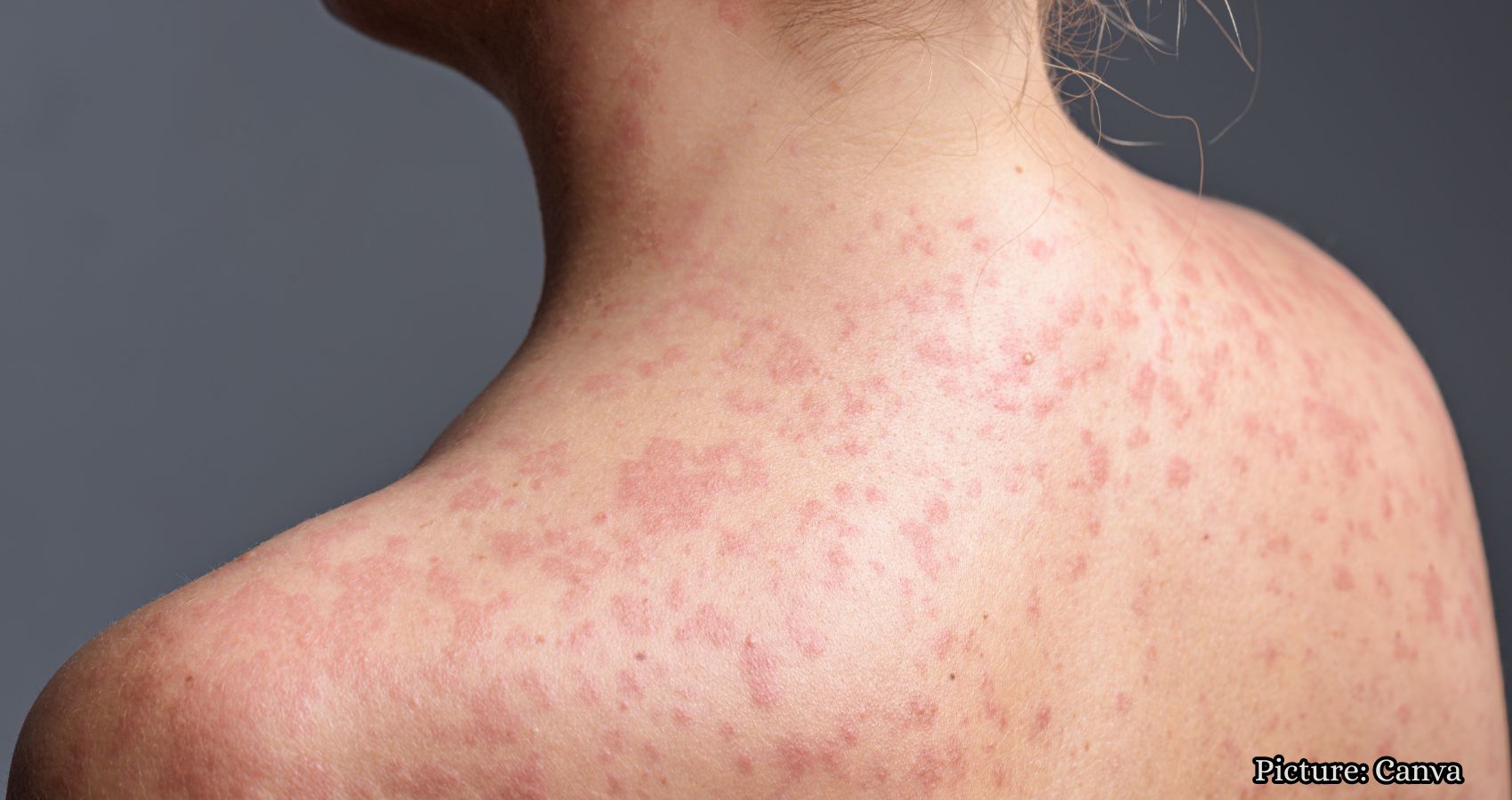
Early symptoms of measles include fever, cough, runny nose, and red, watery eyes, followed by a rash that typically begins on the head and spreads downward. Symptoms can appear seven to 21 days after exposure, and individuals who suspect they have been exposed to measles are advised to contact a healthcare provider.
Dr. Jesse Goodman, a former chief scientist at the FDA, highlighted the importance of the MMR vaccine, stating it is “extremely safe and highly effective.” He noted that the vaccine prevents millions of measles deaths worldwide each year, including hundreds that previously occurred in the United States. “There is no evidence that the MMR vaccine causes any chronic illnesses, including autism,” he added.
Dr. Amesh Adalja, a senior scholar at the Johns Hopkins Center for Health Security, remarked that Pennsylvania’s long history without measles-related deaths was not merely a matter of luck. “It was the vaccine working so completely that an entire generation of parents grew up never seeing what this virus does to a child’s lungs or brain,” he explained. “That protection is increasingly not valued, and this is the predictable result when the population turns their back on a life-saving technology.”
Dr. Marc Siegel, a senior medical analyst for Fox News, has previously underscored the highly contagious nature of measles, particularly in light of rising case counts across the country. “Measles is so contagious that up to 90% of susceptible people who are exposed to an infected person will become infected,” he stated, emphasizing the necessity of community protection through vaccination.
To achieve herd immunity, Dr. Siegel noted that a vaccination coverage rate of 95% is essential. This threshold is based on the contagiousness of the disease and the effectiveness of immunity from vaccination or prior infection. “In this case, two-dose vaccination is almost 100% effective, and natural immunity after a measles infection is generally lifelong,” he explained. “This isn’t about personal choice; it’s about community protection. We need to protect those who can’t have a live virus vaccine because they are immunocompromised or pregnant.”
The recent outbreak and the tragic deaths serve as a stark reminder of the importance of vaccination in preventing the spread of measles and protecting public health, according to health officials.
For more information on the measles outbreak and vaccination, visit the Pennsylvania Department of Health website.
According to Fox News.