
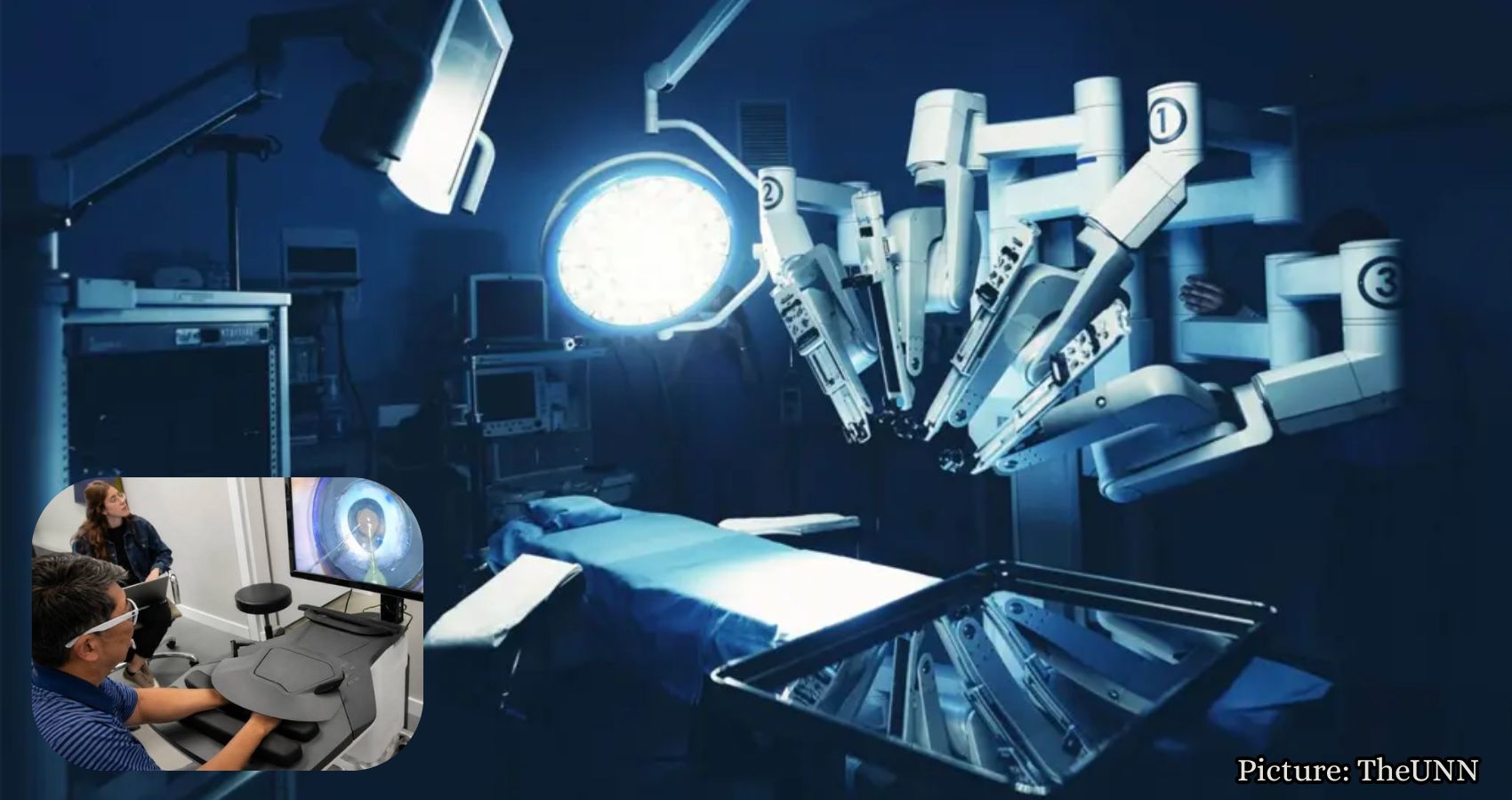
ForSight Robotics’ JASPER platform has successfully completed 26 fully robotic-assisted cataract surgeries, all under the control of a surgeon, marking a significant step in surgical technology.
ForSight Robotics has announced that its JASPER Robotic Surgical Platform has completed 26 fully robotic-assisted cataract surgeries without transitioning to manual operation. This innovative approach aims to integrate robotic technology into a procedure that has become routine for many patients.
Cataract surgery is typically a straightforward process, with patients arriving at the clinic, undergoing the procedure, and often returning home the same day. The introduction of JASPER into this familiar routine represents a significant advancement in surgical technology.
According to ForSight, each of the 26 procedures was conducted entirely robotically, with the surgeon directing the operation through a process known as telemanipulation. This means that while the robot executed the precise movements required for the surgery, the surgeon remained in control, translating their commands into actions performed by the robotic instruments inside the patient’s eye.
The JASPER platform offers high-definition 3D visualization, allowing surgeons to see the surgical field in great detail. It also features capabilities to scale movements and filter out natural hand tremors, enhancing precision. Additionally, real-time eye tracking enables the robot to adjust as the eye moves during the procedure, ensuring accuracy throughout the operation.
ForSight’s robotic system is designed to perform the entire cataract surgery rather than just a portion of it, which distinguishes it from other robotic surgical systems. The surgeon maintains decision-making authority throughout the procedure, ensuring that the human element remains integral to the operation.
While robotic surgery is becoming more prevalent, JASPER’s approach emphasizes collaboration between the surgeon and the robotic system. This contrasts with other robotic systems that may operate more independently. For instance, previous reports highlighted an AI-powered robot that completed a key phase of gallbladder surgery autonomously, whereas JASPER requires continuous surgeon input.
Cataract surgery is one of the most commonly performed operations worldwide, with over 30 million procedures conducted annually. The potential impact of robotic systems like JASPER could be substantial, as they may enhance the efficiency and precision of surgeries that affect millions of patients each year.
Robotic surgery is also expanding beyond traditional operating rooms. Recent developments include a London surgeon remotely guiding a robot to perform prostate cancer surgery from 1,500 miles away. Such advancements illustrate the growing role of robotics in various surgical fields, including ophthalmology.
Despite the promising results from the initial 26 surgeries, it is important to note that this is still early clinical experience. The success of JASPER does not imply that it is ready for widespread use. ForSight is continuing its clinical work and preparing for further studies and regulatory submissions.
One notable statistic from the announcement is that 100% of the procedures were completed robotically without switching to manual surgery. While this figure is impressive, it is crucial to understand what it represents. It does not indicate a 100% success rate or prove that JASPER is safer than traditional cataract surgery. More extensive studies are needed to evaluate long-term outcomes and overall safety.
For patients currently considering cataract surgery, JASPER is not yet available as a commercial option. However, its development offers a glimpse into the future of surgical procedures. The potential for surgeons to control a robotic system that translates their decisions into precise movements could revolutionize how surgeries are performed, particularly in delicate areas like the eye.
As robotic technology continues to evolve, it may provide surgeons with greater stability and open new avenues for performing specialized procedures. However, the transition from successful trials with a small group of patients to a system suitable for widespread use will require further research and regulatory scrutiny.
The integration of robotic systems into existing surgical practices raises important questions about patient comfort and outcomes. As ForSight continues to develop the JASPER platform, the focus will be on ensuring that the technology enhances the surgical experience without complicating established procedures.
As the medical community explores the potential of robotic surgery, the balance between innovation and patient care remains paramount. The success of JASPER in these initial surgeries may pave the way for a future where robotic assistance becomes a standard part of cataract surgery, but larger studies and regulatory approvals will be essential to validate its efficacy and safety.
ForSight Robotics’ advancements in robotic cataract surgery offer an intriguing look at the future of eye care. As the technology progresses, it will be interesting to see how it integrates into the existing framework of surgical practices and whether it can deliver improved outcomes for patients.
As we await further developments, the question remains: would you feel comfortable undergoing cataract surgery with a robot performing the physical movements while a surgeon oversees the entire process? Your thoughts are welcome at Cyberguy.com.
According to ForSight Robotics, the journey of robotic surgery in cataract procedures is just beginning, and ongoing research will determine its future in clinical settings.