
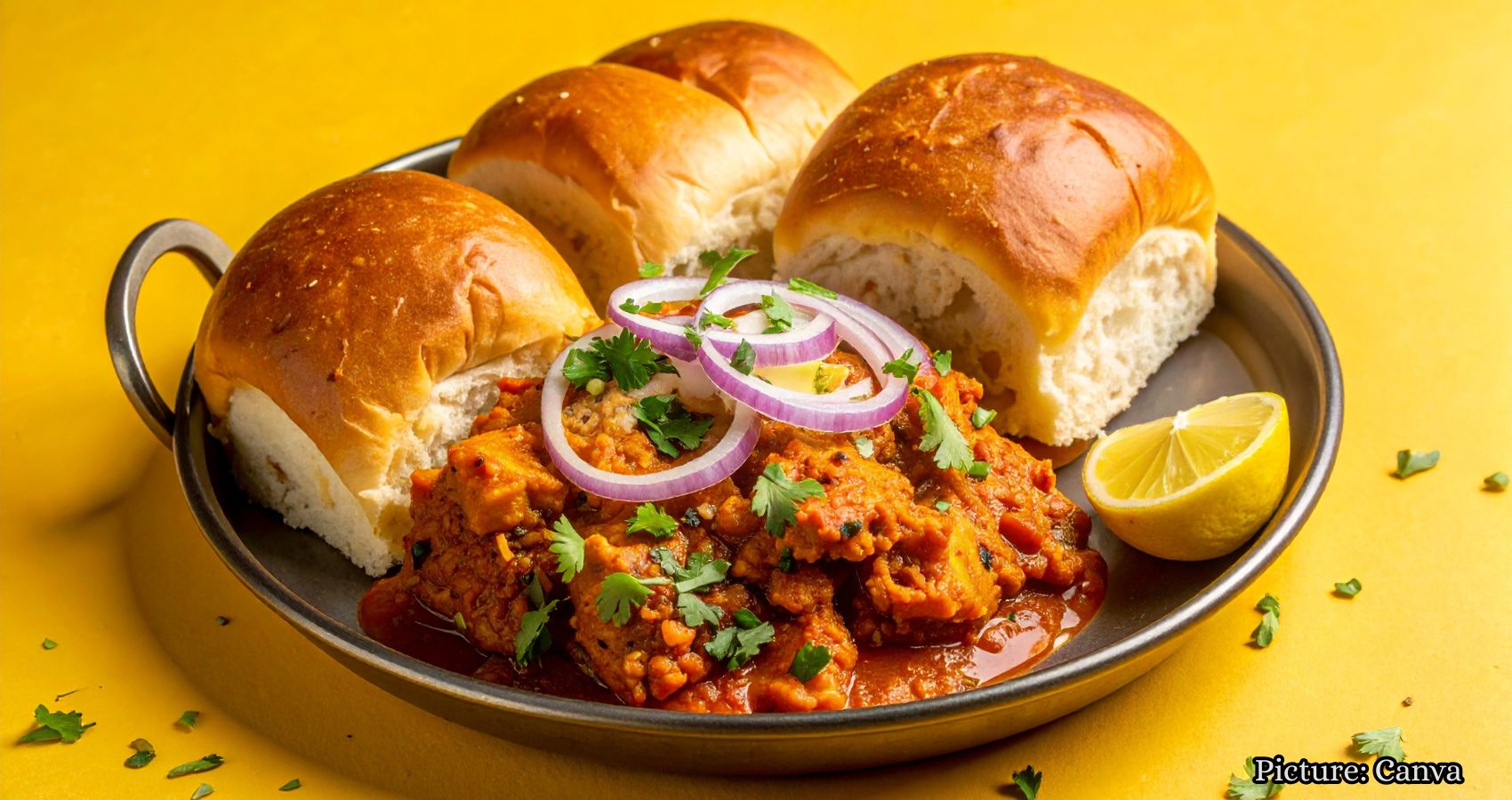
Pav Bhaji, a beloved Indian street food, features a spiced mashed vegetable curry served with buttered bread rolls, embodying a unique culinary experience.
Pav Bhaji is a popular Indian street food that consists of a spicy, mashed vegetable mixture served alongside soft, buttered bread rolls known as pav. While there is no direct one-word English translation for the dish, it is often described as “spiced mashed vegetable curry served with bread rolls.”
The term “pav” refers to the soft bread roll, while “bhaji” denotes a cooked vegetable dish. Together, Pav Bhaji signifies a buttery bread roll served with a thick, spiced vegetable preparation that is both flavorful and satisfying.
The word “pav” describes a soft, fluffy bread roll commonly enjoyed with Indian curries and street food. Typically sliced horizontally, the pav is toasted on a hot pan with butter, enhancing its taste and texture. This bread plays a crucial role in the dish, as it absorbs the spicy vegetable mixture, creating a harmonious balance of flavors.
On the other hand, “bhaji” generally refers to a vegetable preparation or cooked vegetable dish in Indian cuisine. For Pav Bhaji, a variety of vegetables such as potatoes, tomatoes, peas, cauliflower, and capsicum are cooked and mashed together with spices to create a thick, flavorful mixture.
The main ingredients in traditional Pav Bhaji typically include:
Potatoes, tomatoes, onions, green peas, capsicum, cauliflower, ginger, garlic, green chillies, butter, pav bhaji masala, coriander leaves, and lemon juice. The specific ingredients can vary based on regional recipes and personal preferences.
Pav Bhaji’s popularity in India can be attributed to its rich flavor, filling nature, and relative ease of preparation. It is widely available at street food stalls, restaurants, and food markets, particularly in bustling cities like Mumbai. The combination of buttery pav and spicy mashed vegetables gives the dish its distinctive taste, making it a favorite among locals and tourists alike.
While Pav Bhaji can be described as a thick vegetable curry or mashed vegetable preparation, it differs from many traditional Indian curries. The vegetables are cooked until soft and then mashed, resulting in a characteristic smooth yet chunky texture. Unlike many curries that are served with rice or roti, Pav Bhaji is typically enjoyed with toasted pav.
There is no universally accepted alternative English name for Pav Bhaji. Depending on the context, it may be referred to as spiced mashed vegetable curry, mashed vegetable curry with bread rolls, Indian vegetable curry with buttered bread, or spicy vegetable mash served with pav. However, the original name, Pav Bhaji, remains widely recognized even in English-speaking contexts.
To understand the dish better, one can break down its components: pav refers to the bread roll, while bhaji signifies the spiced vegetable preparation. Thus, Pav Bhaji is a combination of a spiced vegetable preparation served with bread rolls. The pav is generally toasted with butter, while the bhaji is cooked with a medley of vegetables and spices.
Pav Bhaji is deeply rooted in Mumbai’s food culture and is considered one of the city’s most iconic street foods. The dish gained popularity as a convenient and filling meal, featuring a vegetable-based mixture served alongside bread rolls. Over the years, it has spread across India, becoming a staple at restaurants, food stalls, and home kitchens.
Typically, Pav Bhaji is served hot with buttered and toasted pav, accompanied by chopped onions, fresh coriander, and a wedge of lemon. The lemon adds a tangy flavor when squeezed over the bhaji, while the onions provide a crunchy contrast to the soft vegetable mixture.
In terms of health, Pav Bhaji contains several vegetables that offer fiber, vitamins, and minerals. However, the overall nutritional value can vary based on the amount of butter, oil, and salt used, as well as the quantity of pav consumed. For those seeking a lighter version, reducing the butter and oil while incorporating additional vegetables can enhance its health benefits.
In summary, Pav Bhaji is not just a dish; it is a culinary experience that reflects the vibrant street food culture of India. Its unique combination of flavors and textures continues to delight food lovers around the world, making it a cherished part of Indian cuisine.
According to The Sunday Guardian, Pav Bhaji remains a quintessential representation of India’s rich culinary heritage.