
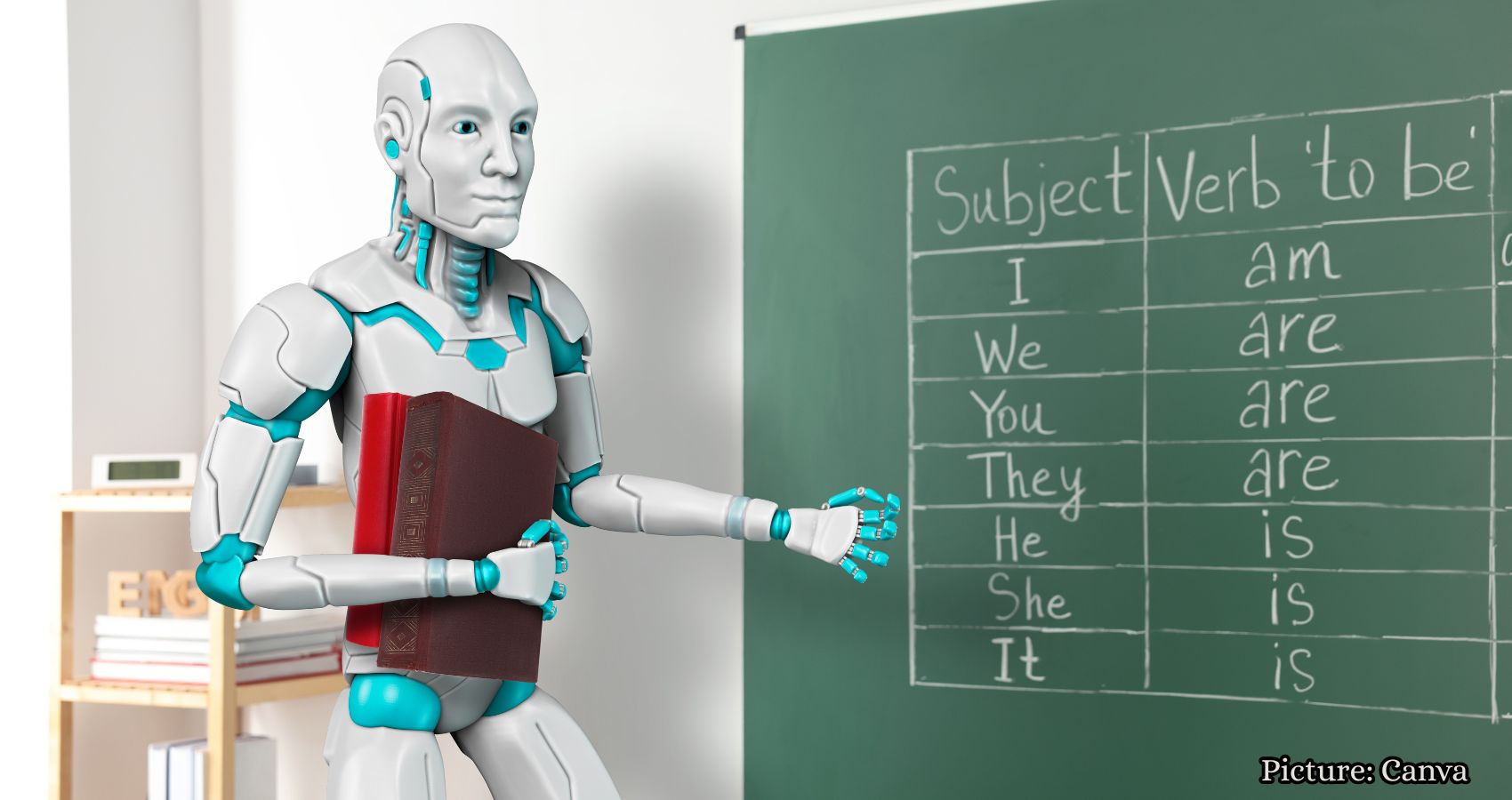
Plans for a humanoid robot pilot program in a New York school district are on hold as officials address student privacy concerns and seek community input.
The Salamanca City Central School District in western New York has paused its plans to introduce a humanoid robot into high school classrooms. The district had allocated $57,590 for a Realbotix M-Series humanoid robot and an accompanying artificial intelligence (AI) program, which was slated to launch in the fall of 2026.
The proposed robot, known as Optio, was designed to serve as an AI-powered educational assistant. It features a lifelike appearance with silicone skin and long brown hair, and it was intended to enhance lessons in AI and robotics while allowing teachers to maintain control over the classroom environment. However, the district announced on July 24 that the pilot program would be paused to address enhanced student data privacy agreements with the New York State Education Department.
In addition to privacy concerns, the district is engaging with community members and other stakeholders to gather input before moving forward with the program. A new start date for the pilot has not yet been announced.
Realbotix had previously described the pilot as a limited initiative involving one physical robot and its digital assistant, Optio. The technology was expected to support approximately 500 high school students enrolled in Woz ED AI and Robotics courses. The initial rollout would have allowed students to interact with the AI platform and their personalized avatars, rather than deploying multiple physical robots in the classroom.
Realbotix emphasized that the technology aims to provide students with hands-on exposure to AI and robotics, moving beyond traditional learning methods confined to a laptop screen. The M-Series robot was designed to remain seated while utilizing upper-body movements and facial expressions to facilitate interaction. The school had even requested that the robot adopt a Western New York accent.
Despite the excitement surrounding the project, the district has paused the pilot to ensure that appropriate privacy protections are in place. Realbotix stated that the partnership would allow educators to evaluate these technologies in a controlled environment under district oversight. The company also noted that the robot would operate through a closed system, without access to the open internet, thereby safeguarding student data.
Realbotix clarified that the Salamanca robot is a newly manufactured, purpose-built educational unit, and it is not connected to any adult products or businesses under the same parent company. The company operates two separate entities: Realbotix LLC, which focuses on educational and healthcare applications, and Intima LLC, which operates in the adult wellness market. Realbotix maintains that the two subsidiaries do not share resources or products.
As the district works through the necessary privacy agreements, it is crucial for parents and educators to remain vigilant about what data the AI system collects and how it is used. The robot is designed to remember certain information to personalize learning experiences, but it will not have facial recognition capabilities or access to personally identifiable student information.
While the pilot program is currently on hold, the potential benefits of introducing a humanoid robot into the classroom are noteworthy. The technology could make lessons more engaging and help students build trust in AI tools more quickly than with traditional computer programs. However, clear guidelines regarding student data and privacy must be established before the program can move forward.
As the Salamanca City Central School District navigates these complex issues, the future of the humanoid robot pilot remains uncertain. The district has committed to ensuring that student privacy is prioritized and that community input is valued throughout the decision-making process. Until these concerns are addressed, the introduction of the robot into the classroom will remain on pause.
For now, the district’s decision to halt the pilot program reflects a careful approach to integrating advanced technology into education. The real test will come when the district is ready to restart the pilot and demonstrate that the technology can enhance learning while safeguarding student privacy. The community will be watching closely as developments unfold.
According to CyberGuy, the district’s emphasis on privacy and oversight is crucial as it considers the implications of introducing AI into educational settings.