
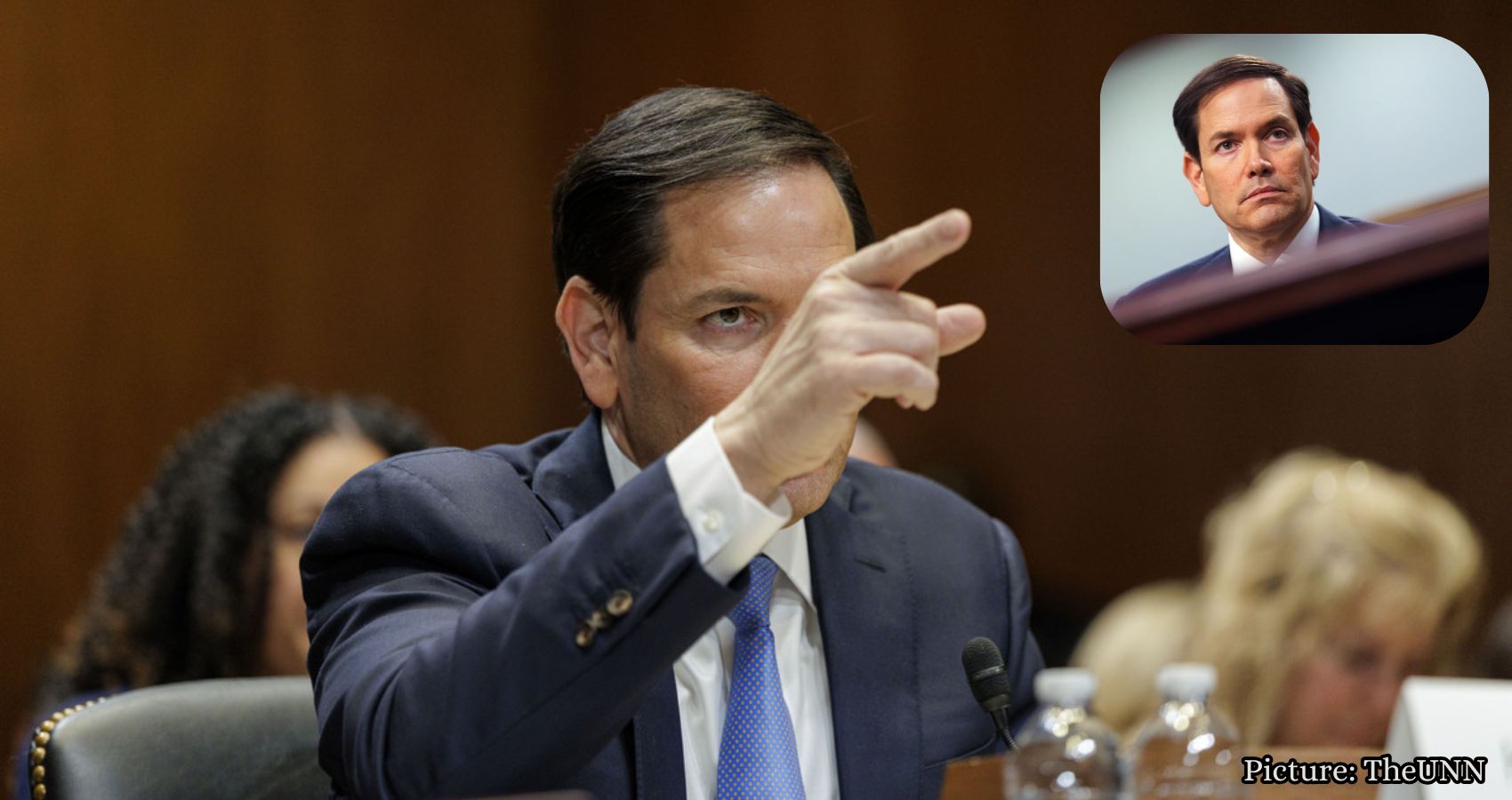
Secretary of State Marco Rubio announced a new U.S. visa policy aimed at preventing foreign nationals accused of inciting hatred against Jewish Americans from entering the country.
Secretary of State Marco Rubio has revealed that the Trump administration will implement a new U.S. visa policy targeting foreign nationals accused of inciting hatred against Jewish Americans. This initiative adds a significant layer to the administration’s ongoing immigration and visa enforcement efforts.
Rubio’s announcement comes amid heightened scrutiny of foreign nationals by the Trump administration, which has expanded the use of visa restrictions in cases deemed to involve national security, public safety, or other threats. The policy specifically aims to address individuals the administration believes are attempting to incite hatred or violence against Jewish communities within the United States. The administration has framed this approach as part of its broader efforts to combat antisemitism and enhance public safety.
The State Department has previously indicated that U.S. visa decisions can take into account national security and public safety concerns. Under the Trump administration, there have been broader visa and entry restrictions implemented. This latest policy contributes to an ongoing debate regarding how the United States should tackle antisemitism while balancing immigration enforcement with constitutional protections and freedom of expression.
The issue has gained particular prominence amid discussions surrounding the Israel-Gaza conflict, protests on U.S. college campuses, and criticism of Israel’s military actions. Critics of the administration’s stance have raised alarms about the potential for immigration and visa powers to be misused against foreign nationals for exercising protected speech or engaging in political advocacy.
In a related legal development, a federal judge recently blocked a separate Trump administration policy that targeted foreign nationals researching disinformation and hate speech on social media. The judge ruled that the policy likely violated First Amendment protections by imposing burdens on the speech and research activities of noncitizens. This case involved foreign researchers and advocates focused on content moderation and online misinformation, highlighting the legal complexities that can arise when visa restrictions are based on speech or political activity.
Despite these concerns, the Trump administration maintains that foreign nationals do not possess an unrestricted right to enter the United States. Federal immigration law grants the government broad authority to determine who may receive a visa or be admitted. The State Department’s existing visa policies already include enhanced screening and vetting procedures. In other instances, the administration has suspended or restricted visa issuance to nationals from certain countries based on national security and public safety considerations.
Rubio’s comments situate the fight against antisemitism within the broader framework of immigration enforcement. The administration asserts that foreign nationals who promote hatred or incite violence should not be permitted to utilize U.S. visas for entry into the country.
This policy emerges amid a broader shift in the Trump administration’s immigration approach. The State Department has intensified scrutiny of visa applicants and expanded restrictions based on national security, public safety, and other criteria. For foreign nationals seeking entry into the United States, these developments underscore the increasing significance of social media activity, public statements, and other forms of online expression in the visa screening process.
The administration argues that such scrutiny is essential for protecting the United States. However, critics contend that broad standards could create uncertainty for students, researchers, activists, and other foreign nationals whose political views may be controversial yet lawful.
Rubio’s statements are likely to keep the discourse surrounding visa restrictions and antisemitism at the forefront of U.S. immigration policy discussions, especially as the administration continues to leverage immigration authorities to address issues it perceives as threats to national security or public safety.
According to The American Bazaar, the implications of this policy will resonate throughout the ongoing debates about immigration and the protection of civil liberties in the United States.