
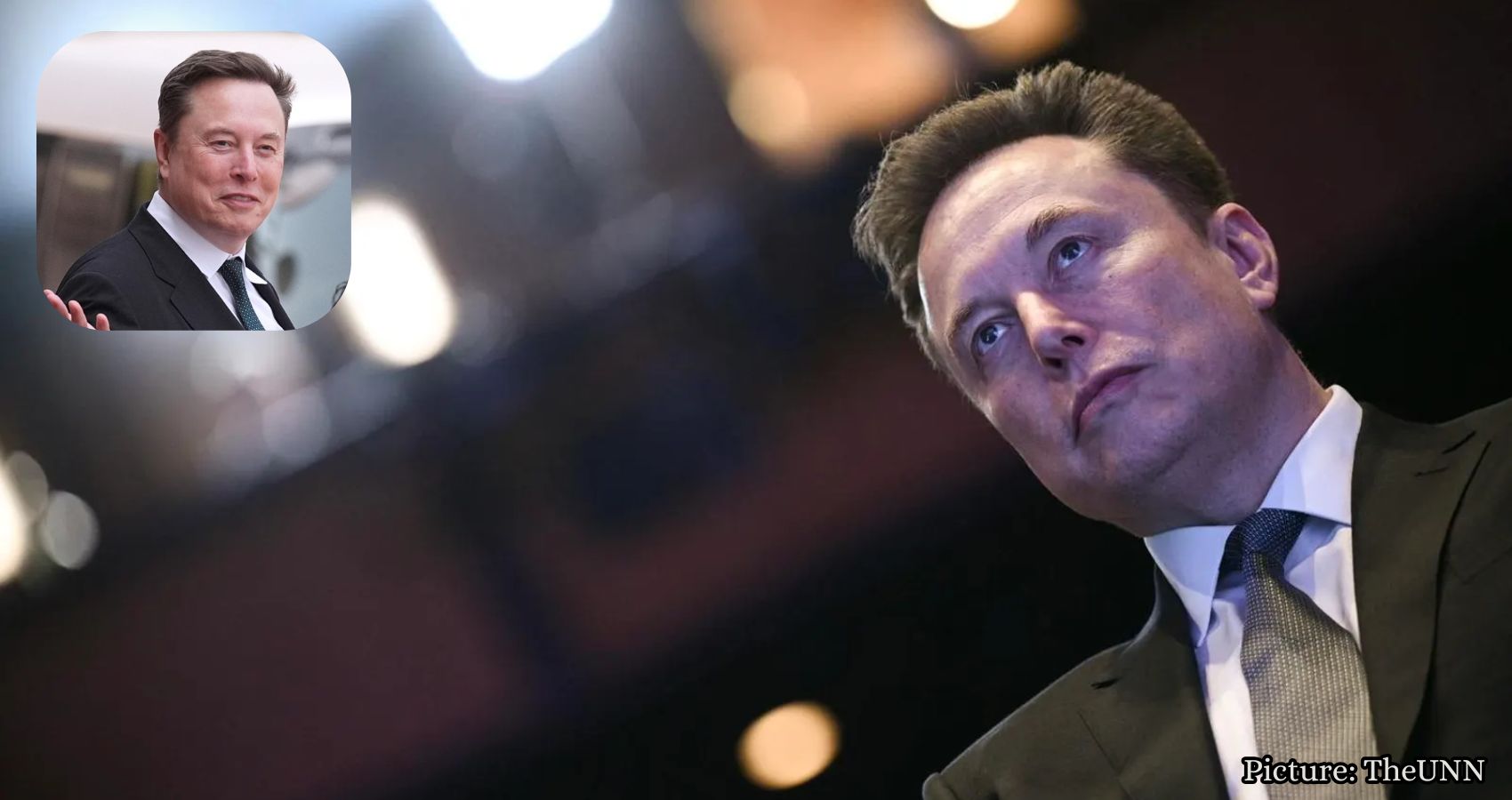
Elon Musk’s net worth has fallen below $700 billion due to a significant drop in SpaceX shares, ending his brief status as the world’s first trillionaire.
Elon Musk has once again captured global attention, but this time for a notable decline in his net worth. The world’s richest person has seen his fortune dip below the $700 billion mark following a prolonged selloff in SpaceX shares. The stock has lost nearly half of its value since reaching a record high in June, significantly impacting Musk’s wealth and ending his brief tenure as the world’s first trillionaire.
Despite this correction, Musk remains comfortably ahead of other billionaires, while investors are closely monitoring whether SpaceX shares can rebound ahead of the company’s first earnings report as a public entity.
According to the latest estimates, Musk’s fortune now stands at approximately $695.7 billion, making him the richest individual globally despite the recent downturn. His wealth is primarily tied to his ownership stakes in SpaceX and Tesla, along with stock options and investments in various other companies.
The recent decline in Musk’s net worth was exacerbated by a sharp drop in SpaceX’s share price, which erased nearly $30 billion from his fortune in a single trading session.
In terms of currency conversion, Musk’s estimated net worth of $695.7 billion translates to around ₹60 lakh crore (approximately ₹60 trillion). Although the exact rupee value fluctuates daily due to changes in the US dollar and Musk’s stock holdings, he remains the wealthiest individual in the world.
For the first time in months, Musk’s wealth has officially dropped below $700 billion. Forbes estimates his fortune at around $695.7 billion after another selloff in SpaceX shares, which wiped out nearly $29.5 billion in a single day as investors continued to sell the stock.
Just weeks ago, Musk became the first person in history to surpass the $1 trillion net worth milestone following SpaceX’s soaring valuation after its public listing. However, this rally proved to be short-lived. As SpaceX shares corrected sharply in the following weeks, Musk’s paper wealth declined rapidly, pushing him below the trillion-dollar mark. Musk himself has humorously referred to his previous status as a “former trillionaire.”
SpaceX shares have experienced one of the most significant pullbacks among newly listed mega-cap companies. After reaching an all-time high of around $225.64 shortly after its listing, the stock has since fallen to nearly $109–114, representing almost a 50% decline from its peak. This correction has erased hundreds of billions of dollars in market value, even though SpaceX remains one of the world’s most valuable companies.
The latest decline has extended SpaceX’s losses to nearly 50% from its June record high. The stock recently closed near $113.50, after briefly dipping below $109 during intraday trading. Analysts attribute the selloff to profit-taking following the IPO, valuation concerns, and expectations that millions of additional insider shares could soon become available for trading after lock-up restrictions expire.
Despite a successful Starship test flight that achieved most of its objectives, SpaceX shares continued to decline. Investors have focused more on valuation concerns and the upcoming earnings season than on the company’s recent technological milestones. Market analysts suggest that uncertainty surrounding future revenue growth and insider share sales has kept pressure on the stock.
A significant portion of Musk’s fortune is derived from his ownership of approximately 4.8 billion SpaceX shares and 350 million stock options. Because his wealth is closely linked to the company’s market valuation, every major movement in SpaceX’s share price directly impacts his estimated net worth. Recent declines have translated into tens of billions of dollars in paper losses.
Unlike cash wealth, Musk’s fortune is largely based on the market value of his investments. His net worth changes almost daily due to fluctuations in SpaceX share prices, Tesla stock performance, market sentiment, investor expectations, valuation changes, and currency fluctuations. Consequently, his wealth can rise or fall by tens of billions of dollars within a single trading session.
Typically, successful rocket launches boost investor confidence. However, SpaceX shares continued to slide even after a largely successful Starship mission that deployed satellites, restarted an engine in space, and completed several major test objectives. Analysts believe investors remain more concerned about valuation, earnings expectations, and upcoming insider share unlocks than short-term operational achievements.
SpaceX’s blockbuster IPO briefly pushed Musk’s fortune beyond $1 trillion, making him the first recorded trillionaire. The company’s rapid surge in valuation significantly boosted the value of Musk’s holdings. However, the post-IPO rally quickly faded as investors reassessed the company’s valuation and growth outlook.
Musk’s wealth is distributed across several companies and investments, with SpaceX being the largest contributor. An estimated breakdown of his net worth includes approximately $530–540 billion from SpaceX, $120–130 billion from Tesla, $20–25 billion from xAI, $8–10 billion from X (formerly Twitter), $6–8 billion from Neuralink, $3–5 billion from The Boring Company, and $5–10 billion from cash, stock options, and other investments. Overall, SpaceX contributes nearly 75–80% of Musk’s estimated net worth, making the company’s share price the most significant factor influencing his wealth.
Some investors are watching the $100 level as the next major support for SpaceX shares. Although the stock has already fallen close to that mark, many Wall Street analysts remain optimistic about the longer term. Several brokerages continue to maintain price targets well above current trading levels, arguing that investors may be underestimating SpaceX’s long-term opportunities in satellite internet, launch services, and artificial intelligence.
In addition to its rocket launches and satellite business, SpaceX also holds a significant amount of Bitcoin on its balance sheet. According to the company’s IPO filing, SpaceX owns 18,712 BTC, which had a fair value of approximately $1.29 billion as of March 31, 2026. The company originally acquired the cryptocurrency for around $661 million, making it one of the world’s largest corporate Bitcoin holders.
Investors are now focused on several major events that could determine Musk’s future wealth. The biggest catalyst will be SpaceX’s first quarterly earnings report as a public company, scheduled for early August. Markets will also closely monitor the expiration of insider lock-up restrictions, future Starship missions, and Tesla’s recovery. Although Musk has lost hundreds of billions of dollars in paper wealth since reaching trillionaire status, he remains the world’s richest person by a substantial margin. Whether his fortune climbs back toward the trillion-dollar mark will largely depend on SpaceX’s stock performance over the coming months, according to The Sunday Guardian.