
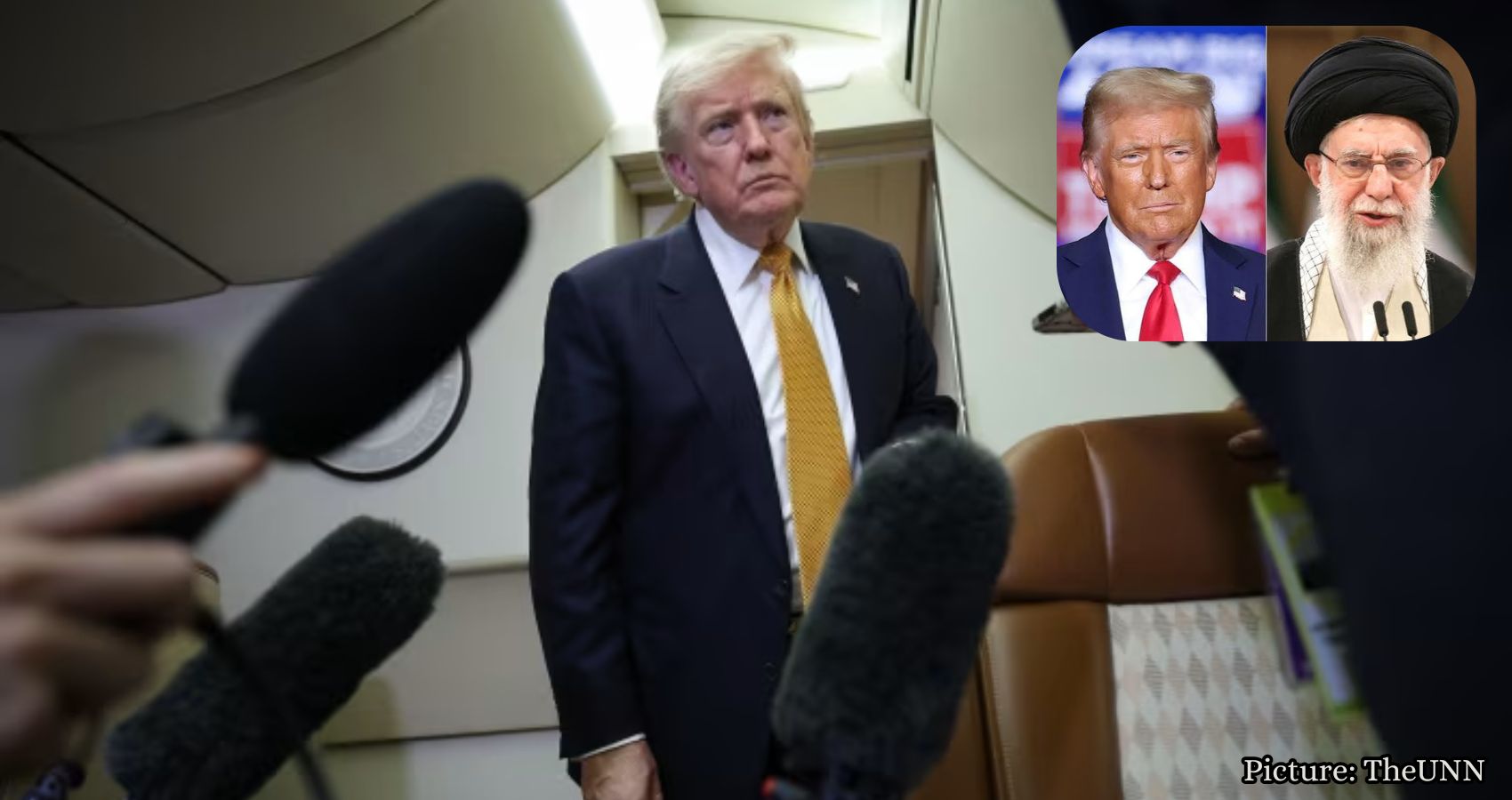
The tensions between the U.S. and Iran have escalated following an Iraqi resistance group’s announcement of a $10 million reward for the assassination of former President Donald Trump.
The situation in the Middle East remains precarious as tensions between the United States and Iran have intensified. An Iraqi resistance group has issued a statement targeting former President Donald Trump, reigniting discussions surrounding the U.S. military’s role in the region and the long-standing opposition from Iran-aligned armed factions.
This announcement has drawn particular attention due to its connection to the 2020 U.S. drone strike that killed Qasem Soleimani, the commander of Iran’s Quds Force, and Abu Mahdi al-Muhandis, a leader of an Iraqi militia. The implications of this statement are significant, given the ongoing instability in Iraq and the broader Middle East.
The Iraqi resistance group has reportedly offered a $10 million reward for information leading to Trump’s assassination, a move that underscores the heightened regional tensions. This announcement is linked to Trump’s involvement in the military operation that resulted in the deaths of key Iranian and Iraqi figures, further complicating the already volatile landscape of U.S.-Iran relations.
Security experts have expressed concern that such declarations could exacerbate tensions and hinder efforts to maintain stability in Iraq, where both American forces and Iran-aligned groups exert influence. The ongoing rivalry between the U.S. and Iran has created a battleground in Iraq, which is strategically significant due to its political ties with both nations.
The statement from the Iraqi group is rooted in the political and military fallout from the January 2020 strike that killed Soleimani and al-Muhandis. Soleimani was a pivotal figure in Iran’s military strategy, while al-Muhandis played a crucial role in coordinating Iran-backed militias in Iraq. The U.S. justified the strike by claiming Soleimani was planning attacks against American personnel, but Iran and its allies condemned the operation as a violation of Iraqi sovereignty.
The Islamic Resistance in Iraq, the group behind the recent statement, comprises several Iran-aligned factions that have consistently opposed U.S. military presence in the country. These groups have previously taken responsibility for attacks on American military facilities and interests, highlighting the ongoing conflict between U.S. forces and Iranian proxies.
The group’s latest statement is framed as a response to U.S. actions against Iranian and Iraqi figures, accusing the former administration of exacerbating regional tensions following the Soleimani strike. This rhetoric reflects the broader struggle between Iran-backed factions and Washington over the future security dynamics in the Middle East.
In its statement, the Iraqi resistance group characterized Trump as a symbol of conflict, criticizing his decision to authorize the strike against Soleimani and al-Muhandis. The group described the operation as a significant act of aggression, emphasizing that the repercussions of the strike continue to resonate among Iran and its allies.
The aftermath of the 2020 strike saw Iran retaliate with missile attacks on U.S. military installations in Iraq, and Iran-aligned groups have since intensified pressure on American interests throughout the region. The ongoing focus on the deaths of Soleimani and al-Muhandis illustrates how these events continue to shape political and security calculations in the Middle East.
As of now, the United States has not issued a direct response to the Iraqi group’s statement. However, U.S. officials are closely monitoring threats against American personnel and facilities across the region. The U.S. maintains that its forces are authorized to defend themselves and will take necessary measures to protect military and diplomatic assets.
Military tensions persist across the Middle East, with the U.S., Israel, and Iran engaged in a broader confrontation. Recent reports from Iraq’s Kurdistan region indicated drone activity near Erbil, where U.S. personnel are stationed. Authorities reported that air defense systems intercepted several drones, preventing potential damage and casualties.
The latest developments add another layer of complexity to the already strained relations in the region. While no immediate military response has been announced, the situation remains fluid, and governments across the Middle East are closely monitoring the evolving circumstances.
Experts suggest that the future trajectory of these tensions will depend on the responses from Washington, Tehran, and allied groups in the coming days. Any further military actions or attacks could heighten the risk of a broader confrontation involving multiple countries.
As tensions remain elevated, diplomatic efforts and security measures will be crucial in preventing further escalation in the Middle East. The situation continues to be a focal point of international concern, with implications that could reverberate beyond the region.
According to The Sunday Guardian, the ongoing conflict underscores the complexities of U.S.-Iran relations and the challenges facing Iraq as it navigates its position amid competing pressures from regional powers.