
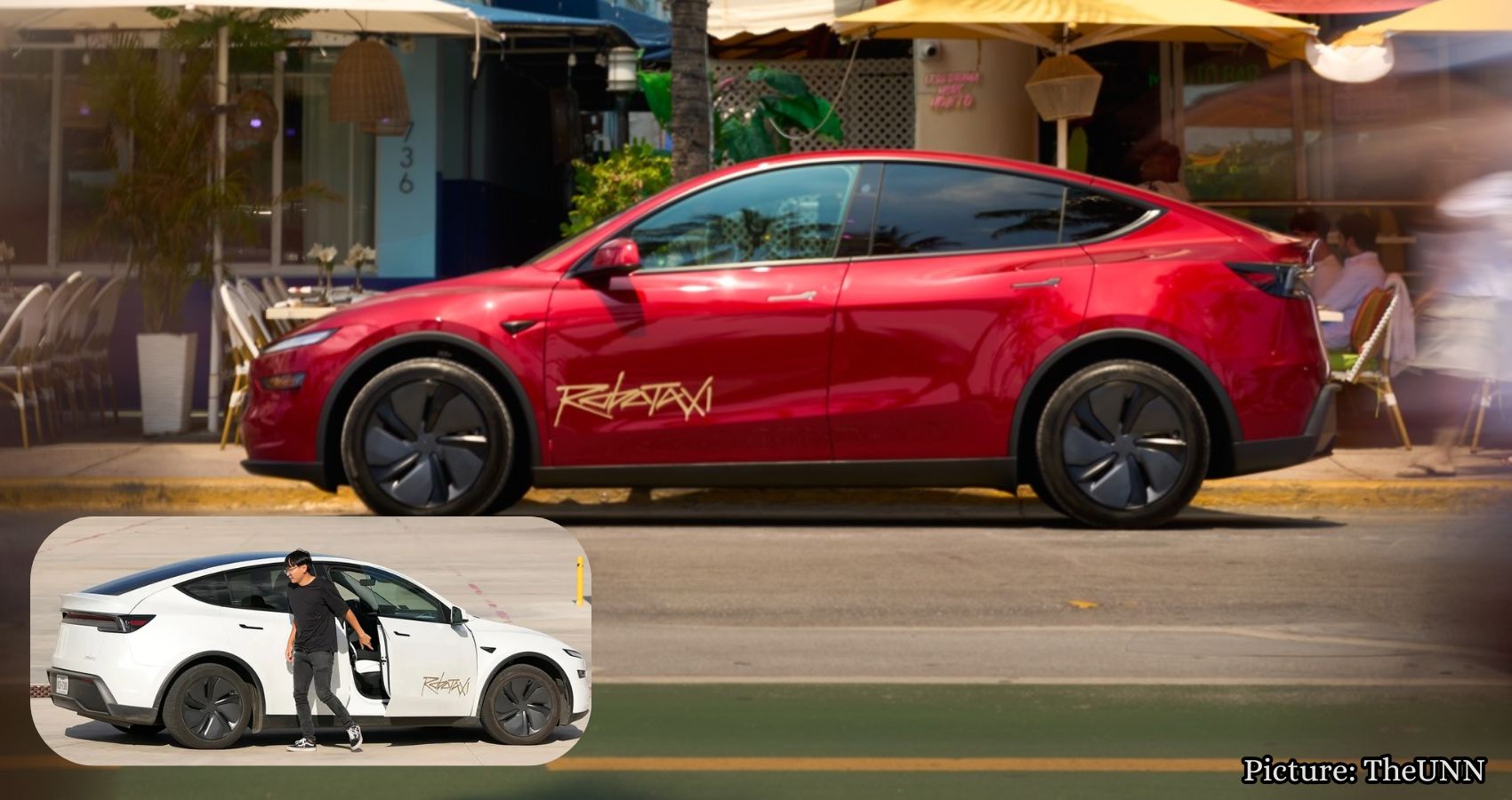
Tesla has launched its Robotaxi service in Miami, but the limited coverage area raises questions about its practicality in the bustling city.
Tesla’s much-anticipated Robotaxi service has officially arrived in Miami, marking a significant milestone in the company’s autonomous vehicle journey. However, the rollout is cautious and limited, with the service currently available only in select areas of the city.
The Robotaxi service is operational in a confined geofence that primarily encompasses West Miami, Doral, and Sweetwater, leaving out many key destinations such as downtown Miami, Miami Beach, and Miami International Airport. This limited coverage means that while Miami is now part of Tesla’s Robotaxi network, it is not a citywide launch, and riders may find their options restricted based on their location.
In addition to Miami, Tesla’s Robotaxi service is also available in Austin, Dallas, and Houston, Texas. The accompanying app provides users with a visual map indicating where rides can be requested, making it easier for potential passengers to determine if they are within the service area.
The cautious approach to the Miami launch reflects the complexities of operating autonomous vehicles in a bustling urban environment. Traffic congestion, unpredictable weather, and varied driver behaviors present unique challenges that Tesla must navigate as it seeks to establish its presence in the competitive autonomous ride-hailing market, which already includes players like Waymo and Amazon’s Zoox.
While the introduction of the Robotaxi service is a step forward for Tesla, it is essential to recognize the limitations of the current rollout. For example, if a passenger wishes to travel from Miami Beach to Brickell, they may find that the Robotaxi service is not yet equipped to facilitate that journey due to the restricted service area.
Tesla’s journey toward autonomous transportation has been years in the making. The company has been steadily working on its vision for a fully autonomous vehicle, as evidenced by its Cybercab concept, which eliminates the steering wheel entirely. However, the Miami launch still relies on Tesla’s Model Y vehicles, indicating that the company is taking a measured approach as it expands its Robotaxi initiative.
Miami marks Tesla’s first Robotaxi market outside of Texas, following previous launches in Austin, Dallas, and Houston. The company has also indicated plans for future expansions into other cities, including Orlando, Tampa, and Phoenix, suggesting that it is preparing for a broader rollout of its autonomous services.
Despite Tesla’s brand recognition and a substantial fleet of vehicles on the road, it faces stiff competition in the autonomous vehicle sector. Waymo, for instance, has a wealth of experience in public driverless rides, while Zoox is focusing on creating vehicles designed specifically for autonomy. This competitive landscape may ultimately benefit consumers, as increased competition could lead to improved service, wider coverage, and faster advancements in technology.
Safety remains a paramount concern as Tesla navigates this new frontier. Recent reviews of federal crash data submitted to the National Highway Traffic Safety Administration (NHTSA) revealed 17 crash narratives associated with the Robotaxi program. While not every incident indicates a failure of the autonomous system, it underscores the importance of addressing safety issues as the technology evolves.
Autonomous vehicles must build trust with riders through consistent and safe driving experiences. Any unexpected maneuvers or confusing stops can quickly erode passenger confidence. Similar safety concerns have been raised in the robotaxi industry, including a recent recall by Waymo related to challenges posed by construction zones, which can complicate navigation for autonomous systems.
To utilize the Tesla Robotaxi service in Miami, users must download the Robotaxi app on their mobile devices. Rides can only be booked for the user themselves, and it is crucial to verify the service area within the app before confirming a ride. The app also provides a price estimate prior to booking, and passengers can adjust settings such as climate control and seat position during their journey.
As Tesla continues to expand its Robotaxi service, it is important for potential riders to remain aware of the limitations and safety considerations. While the arrival of the Robotaxi in Miami is an exciting development, it is clear that there is still much for Tesla to prove in terms of reliability and coverage.
As the company forges ahead with its autonomous vehicle ambitions, the question remains: Would you feel comfortable trusting a Tesla Robotaxi to navigate Miami’s traffic, or would you prefer to wait until the service has demonstrated greater reliability? Share your thoughts with us at CyberGuy.com.
According to CyberGuy.