
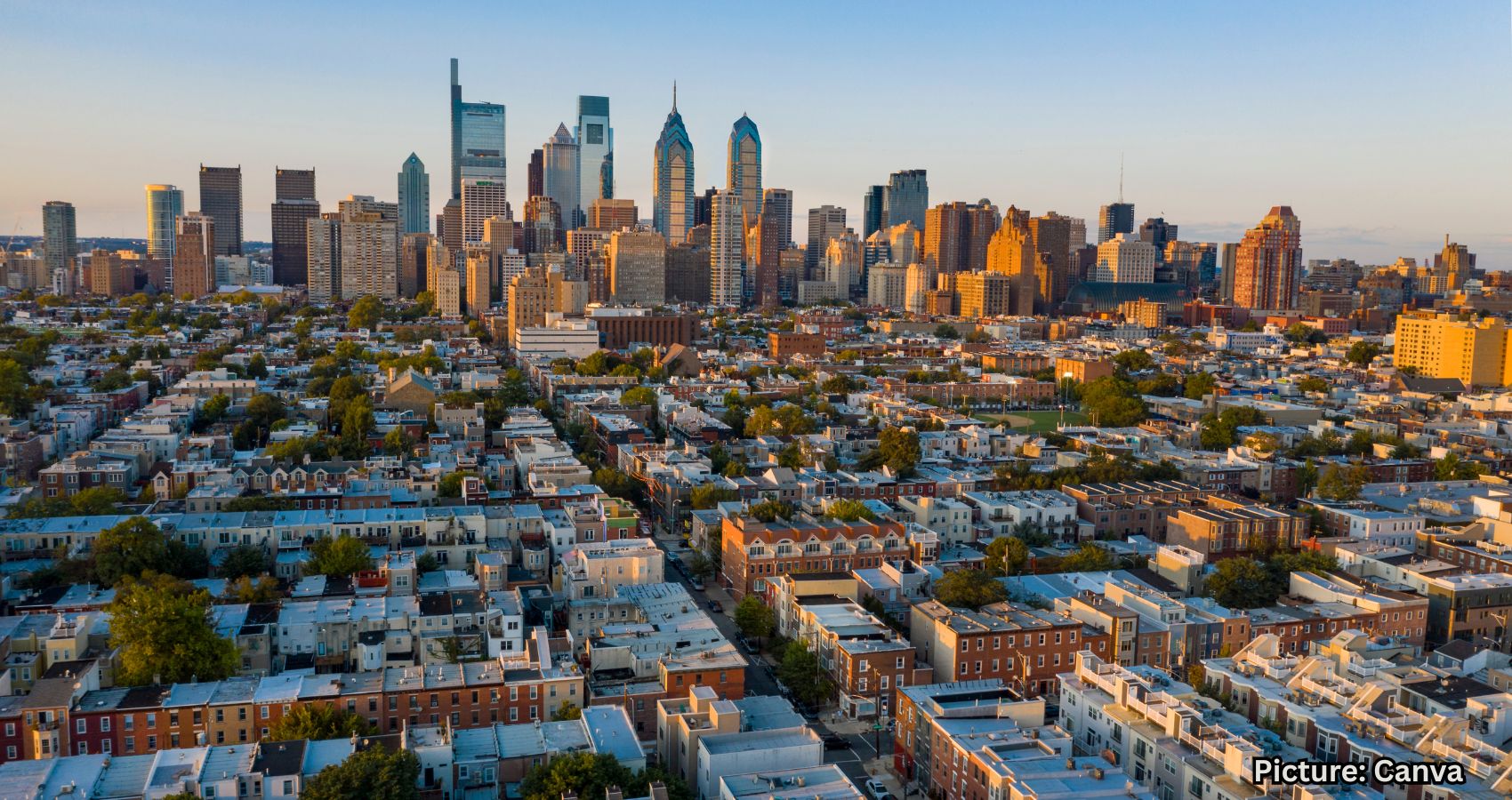
The future of Philadelphia hinges on the competition among three distinct cultures: the insiders, the nostalgists, and the innovators, each shaping the city’s trajectory in unique ways.
Philadelphia, a city rich in history and innovation, is currently navigating a complex landscape defined by three competing cultures. These cultures, while sharing the same geography and history, are pulling the city in different directions. As of spring 2026, the question of which culture will dominate Philadelphia’s future remains more open than ever.
These three cultures can be envisioned as concentric circles, each with a unique orientation. The first group, the insiders, focuses inward, aligning with the existing power structures. The second group, the nostalgists, looks backward, clinging to a past that technology and time are rapidly transforming. The third group, the innovators, faces forward, often oblivious to the city’s political and civic dynamics. Interestingly, it is this third group, despite its lack of civic power, that may hold the most transformative potential for Philadelphia.
To understand the current moment, it is essential to reflect on Philadelphia’s origins as a hub of revolutionary thought. In 1743, Benjamin Franklin, a polymath and civic entrepreneur, proposed the establishment of a society dedicated to “useful knowledge.” This initiative led to the formation of the American Philosophical Society, which became a focal point for the intellectual leaders of the American Revolution, including Washington, Jefferson, and Adams. Philadelphia, at that time the largest city in British North America, was uniquely positioned to foster such innovation due to its cultural tolerance and commercial centrality.
Franklin’s vision was not merely about gathering brilliant minds; it was about creating an environment conducive to discovery. The ideas generated in Philadelphia during this period laid the groundwork for democratic principles that continue to govern the lives of millions today. For many generations, the city was propelled by a forward-looking vision, with the insiders and nostalgists playing secondary roles to the visionaries.
However, over the past eighty years, the balance has shifted. The insiders have dominated the civic landscape, but a resurgence of the third civilization—the innovators—has begun to emerge. This group is not defined by political maneuvering or civic engagement but by groundbreaking work in fields such as gene therapy and transplantation.
A recent example of this innovation was highlighted in a study published on June 3, 2026, in the New England Journal of Medicine. Led by Dr. Ali Naji at the University of Pennsylvania’s Perelman School of Medicine, the study showcased the use of CAR T-cell therapy to reset the immune systems of patients who had been deemed ineligible for kidney transplants due to their highly sensitized immune responses. This breakthrough offers hope to thousands of patients who have been waiting for years for a compatible organ.
One such patient, Andrew Boyd, experienced this transformation firsthand. After enduring seven years of dialysis due to his sensitized immune system, Boyd participated in the trial and received a successful kidney transplant, marking a significant milestone in his life. This achievement is a testament to the innovative spirit that Philadelphia’s third civilization embodies, even as it remains largely invisible to the city’s political machinery.
In contrast, the insiders represent a class of civic operators who thrive on political proximity rather than genuine innovation. Their influence has shaped policies that often hinder the city’s competitiveness, such as high wage taxes and a sluggish educational system. While they may celebrate the breakthroughs in medicine, they lack the vision to create the systemic changes necessary for sustainable growth.
The second group, the nostalgists, is motivated by a desire to preserve Philadelphia’s character and community. They resist the rapid changes brought about by technological advancements, fearing that progress may lead to the erosion of the city’s unique identity. While their concerns are valid, this group has, at times, become an active resistance to the future, prioritizing the preservation of the past over the potential benefits of innovation.
The third Philadelphia, however, is characterized by its relentless pursuit of progress. The researchers, engineers, and entrepreneurs within this group are focused on transforming the future through their work. They are the ones developing cellular therapies and pioneering advancements that could reshape medicine and industry. Yet, they often operate outside the civic engagement that could amplify their impact on the city.
Historically, successful innovation hubs have thrived when their leading thinkers engaged with the civic and political environments surrounding them. The stories of Kendall Square in Boston and the Research Triangle in North Carolina illustrate how academic excellence can translate into regional prosperity when researchers and entrepreneurs actively participate in shaping their communities.
In Philadelphia, the third civilization has largely opted out of this engagement. This withdrawal comes at a cost, as the city risks losing valuable talent and economic opportunities to more hospitable environments. The potential for a thriving biotech industry exists, but it requires collaboration between the innovators and the city’s political and civic structures.
The question remains: which of these three Philadelphias will shape the next fifty years? The insiders, while resilient, may find their influence challenged by the growing momentum of the innovators. The nostalgists, with their focus on community preservation, will need to reconcile their values with the need for economic transformation.
Ultimately, the future of Philadelphia depends on the ability of its innovators to assert their presence and influence the civic landscape. As history has shown, the synthesis of intellectual inquiry and civic engagement is crucial for fostering an environment where innovation can thrive. The legacy of Franklin serves as a reminder that the pursuit of knowledge and the commitment to civic responsibility are not mutually exclusive but rather two sides of the same coin.
As Philadelphia stands at this crossroads, the question is not just about who will lead but about whether the city can cultivate a collaborative spirit that embraces both its rich history and its potential for a transformative future. The next generation of thinkers and doers must be willing to engage with the challenges of today to build a brighter tomorrow for all Philadelphians, ensuring that the city remains a vibrant center of innovation and opportunity.
According to The American Bazaar.