
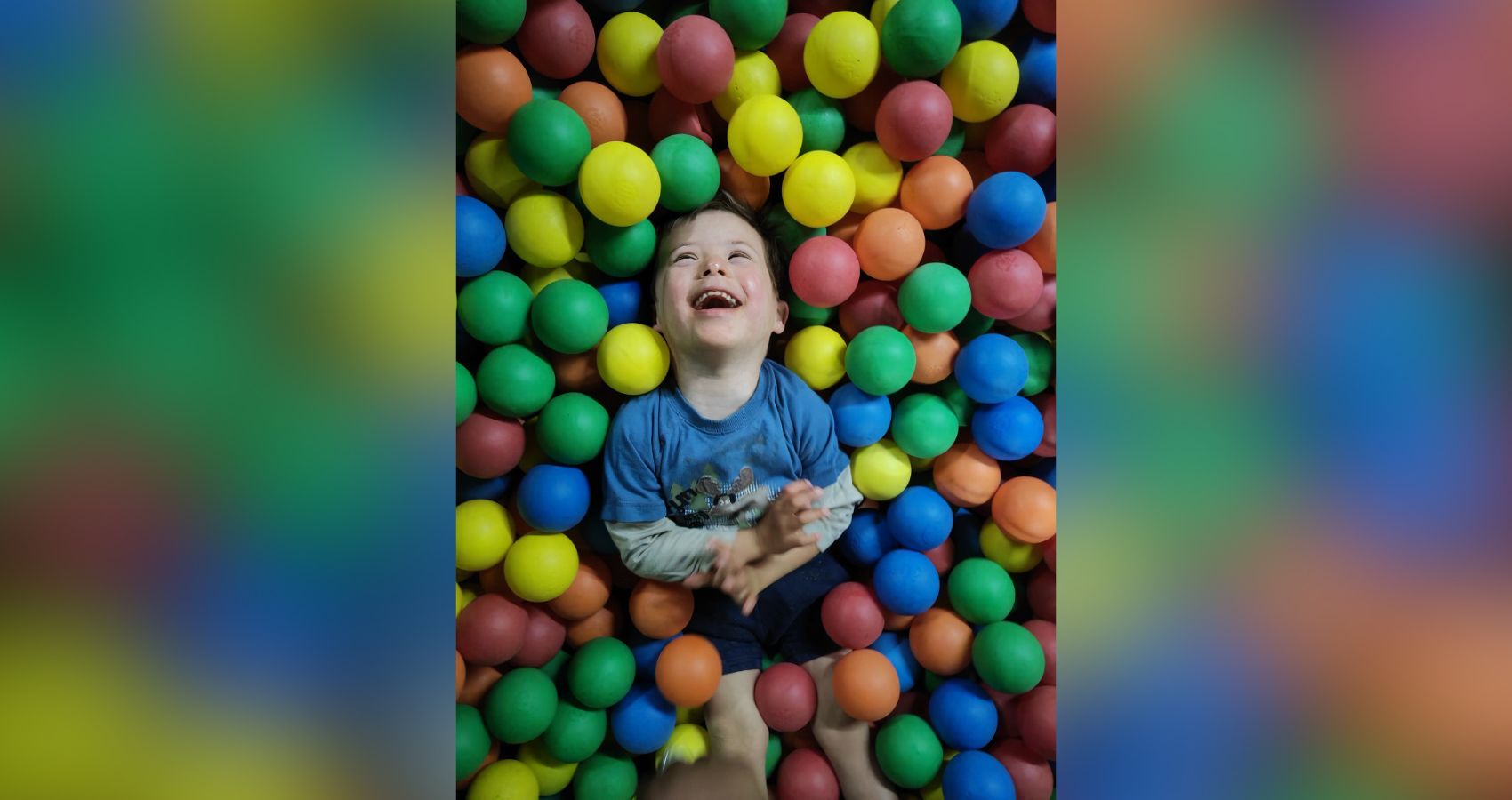
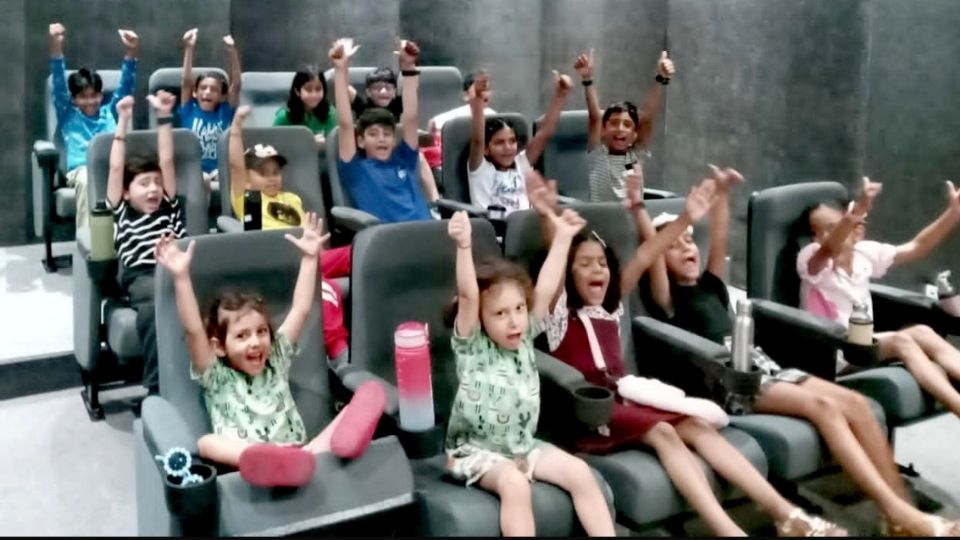
There are some people you meet for one evening over relaxed movie viewing, Jungle book, healthy snacks, some banter, spilled chips, distracted but lovely conversations, and somehow they stay with you longer than people you’ve known for years.
I met Anjali and Simon like that.
I met them the way real life introduces the people who quietly change you, over a casual outing in Bengaluru society, relaxed viewing event, while their son Dexter and their twin girls rocked happily to the sound of music, fascinated by movement, vibration. And somewhere between the laughter, the sensory toys, calm movie watching, small tight group, the half-finished conversations interrupted by parenting, and Dexter’s unmistakable delight at the world around him, I realised something uncomfortable about the rest of us.
And perhaps that is the first thing Dexter has taught them, and now, unintentionally, taught me.
That some children are not here to fit into our noisy world. They are here to reveal how noisy we have become as a society.
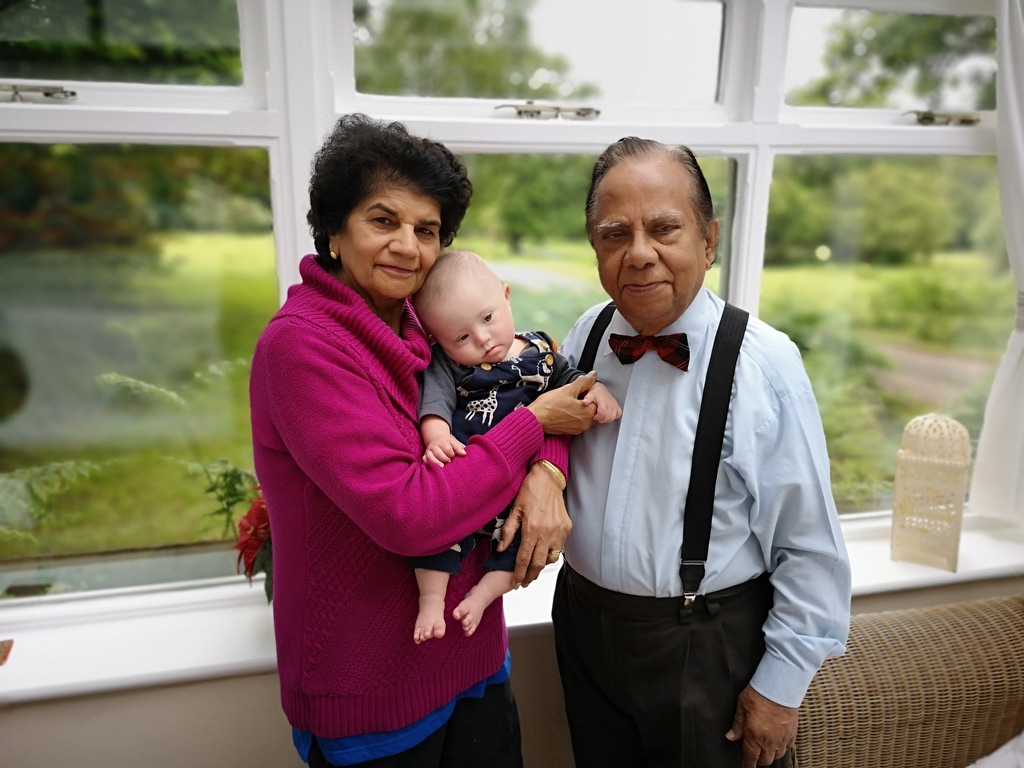
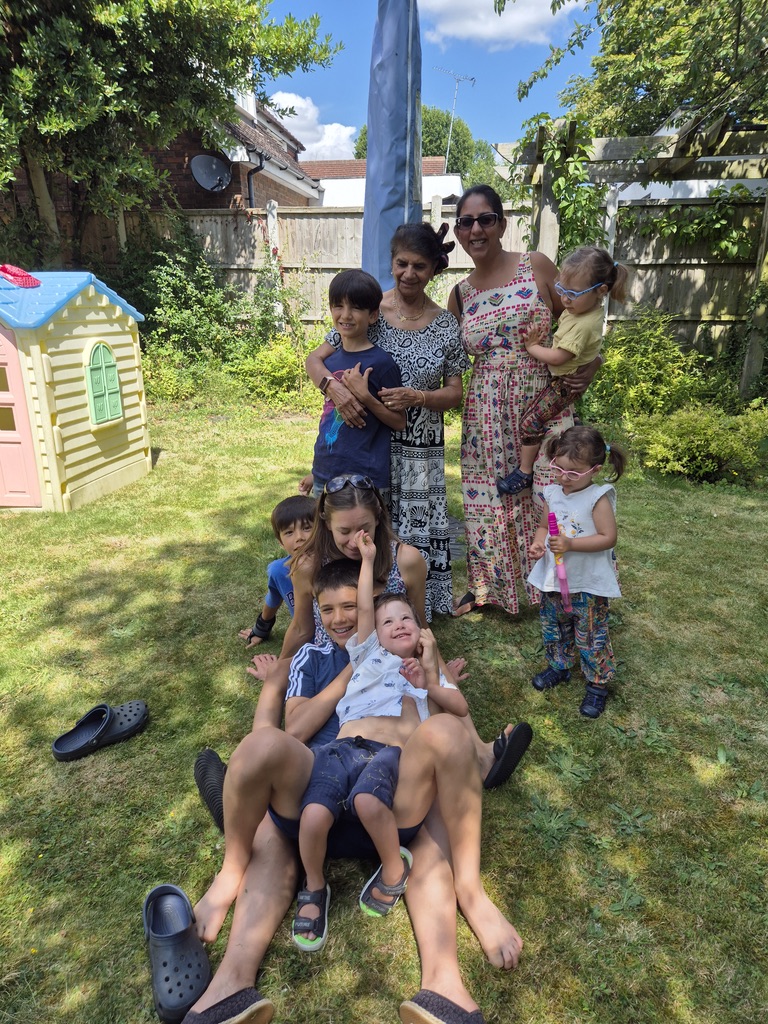
Before Dexter, they admit they had imagined a very different future. Like every parent does. Then came the diagnoses. First Down syndrome. Later autism. And with it arrived the private grief parents rarely confess aloud because society only permits two acceptable emotions from them: bravery or inspiration.
But grief exists too.
Shock exists. Fear exists. Confusion exists.
Not because they loved their son less. But because suddenly the future became unfamiliar terrain with no map, no language, and far too many opinions from strangers.
Anjali told me something that stayed with me long after the evening ended, she wishes diagnoses were delivered with more hope.
Not pity. Not catastrophe. Not whispered tragedy. Hope.
Because somewhere along the way, society decided disability must automatically mean devastation.
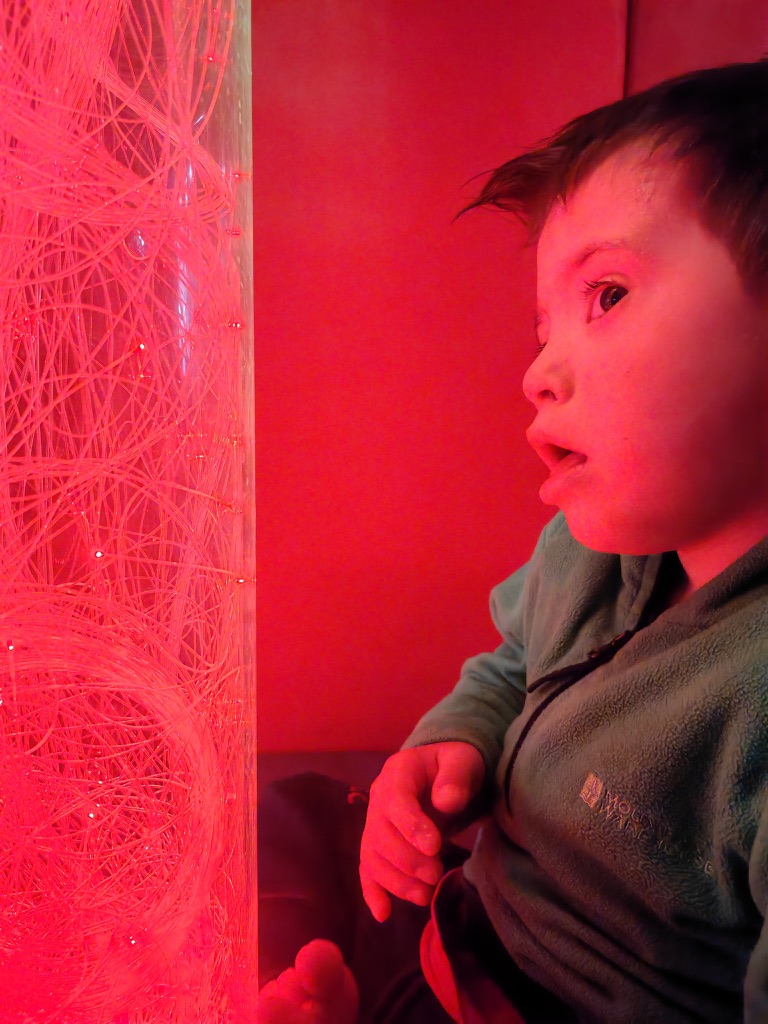
Yet sitting with Dexter, what struck me most was not limitation. It was presence. This little boy notices textures, sounds, vibrations, movement, water, music, light. While the rest of us are busy refreshing our phones and planning five years ahead, he is fully committed to the joy of this exact second.
Simon says parenting him taught them that connection is not always verbal. Sometimes a glance, a hug, a tiny routine, or a shared laugh carries entire conversations inside it.
And honestly, in an age where families sit at dinner tables scrolling separate screens, perhaps the neurotypical world should be taking notes.
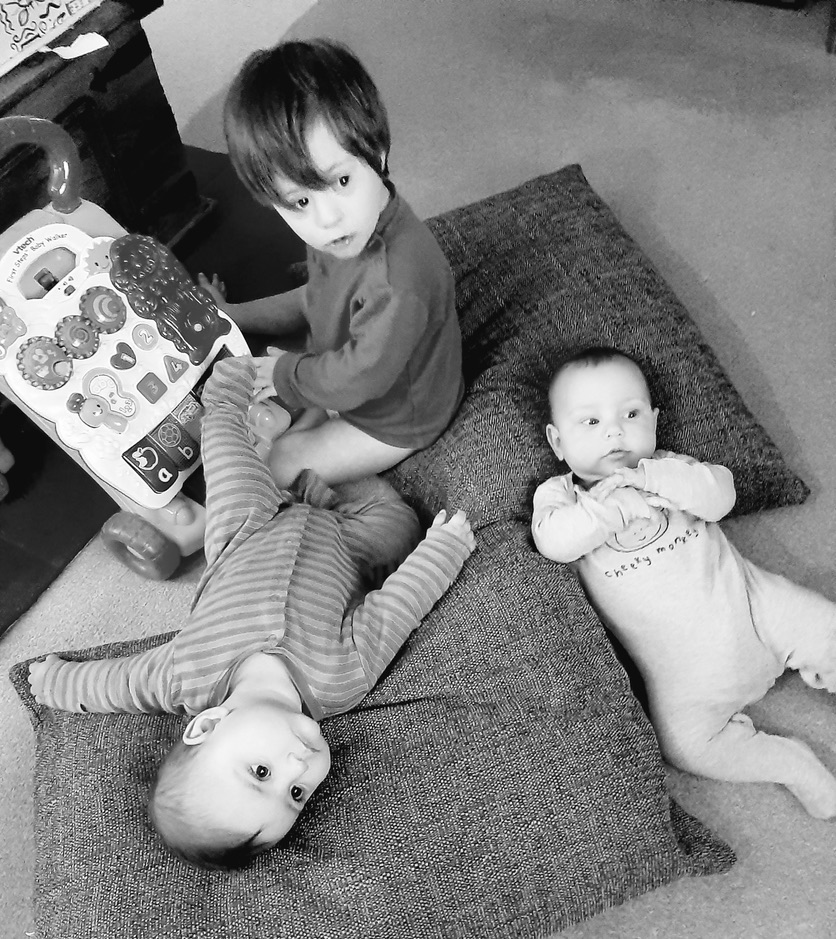
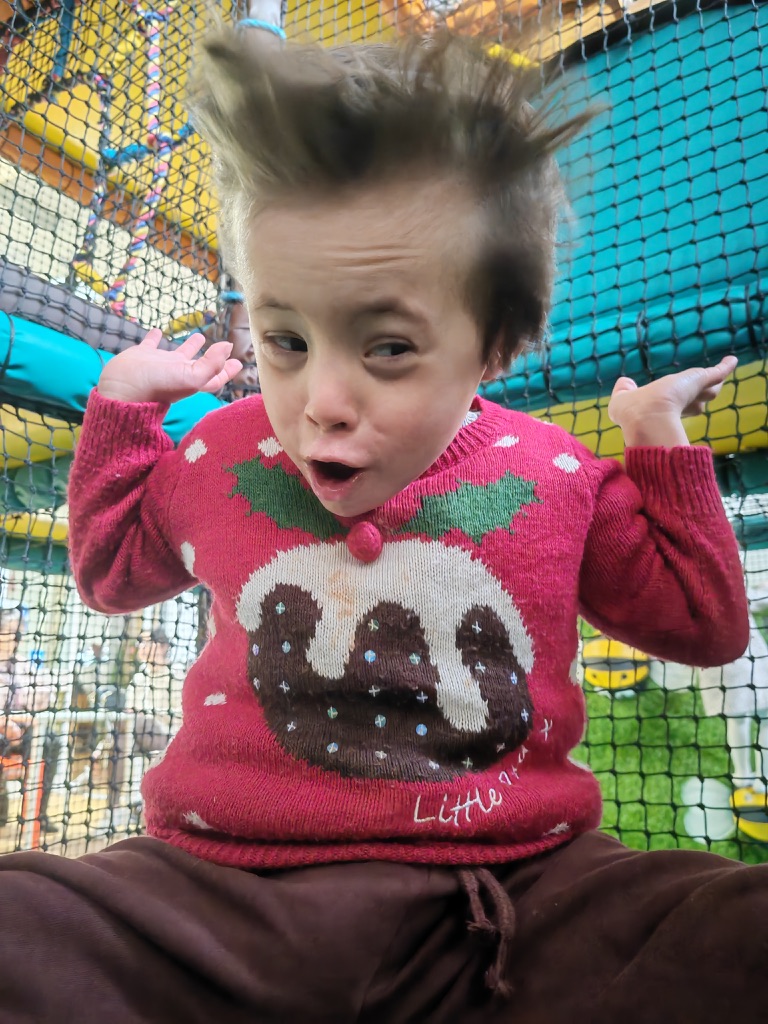
Of course, love does not magically erase exhaustion. That is another truth parents like Anjali and Simon rarely say out loud because they fear sounding ungrateful.
Their lives are filled with therapies, appointments, forms, sensory regulation, educational battles, financial planning, emotional balancing, sleeplessness, routines, constant vigilance, and the invisible mental load of asking one relentless question every parent of a special child secretly carries:
“What happens to my child when I am no longer here?” It is the kind of fear that quietly lives beneath ordinary mornings.
And yet, somehow, there they were that evening and on many movie outings, still laughing, still making room for friendship, still ordering food, still discussing future plans while preparing to return to the UK.
Life, as usual, refusing to pause for anyone.
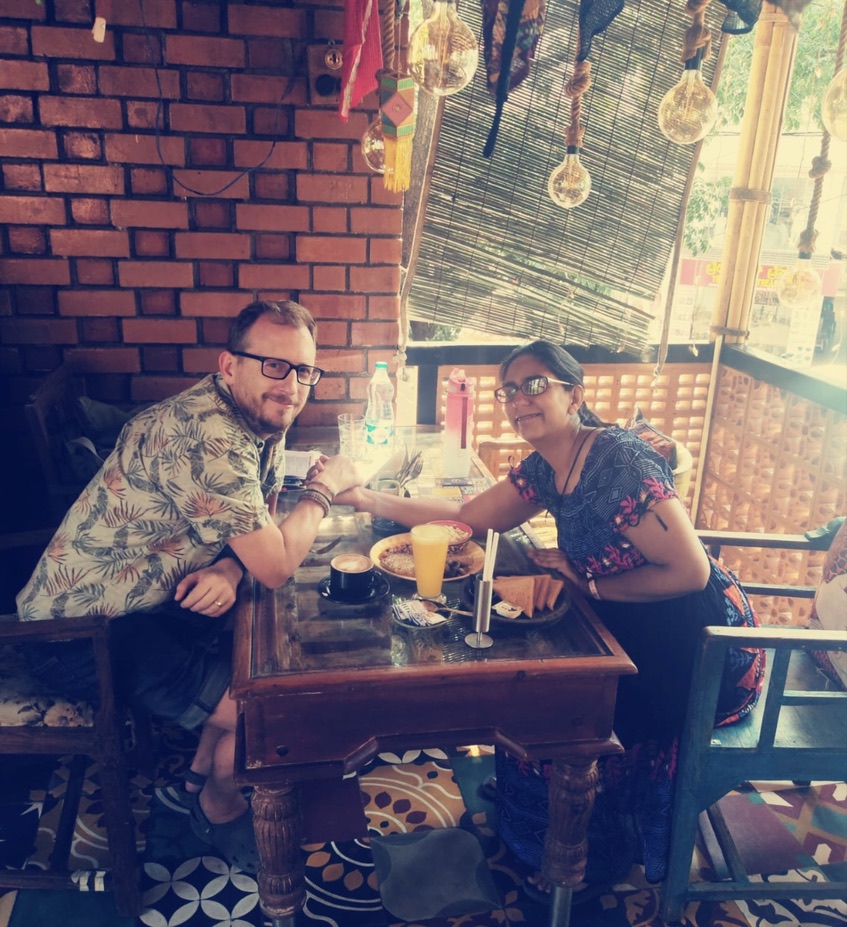
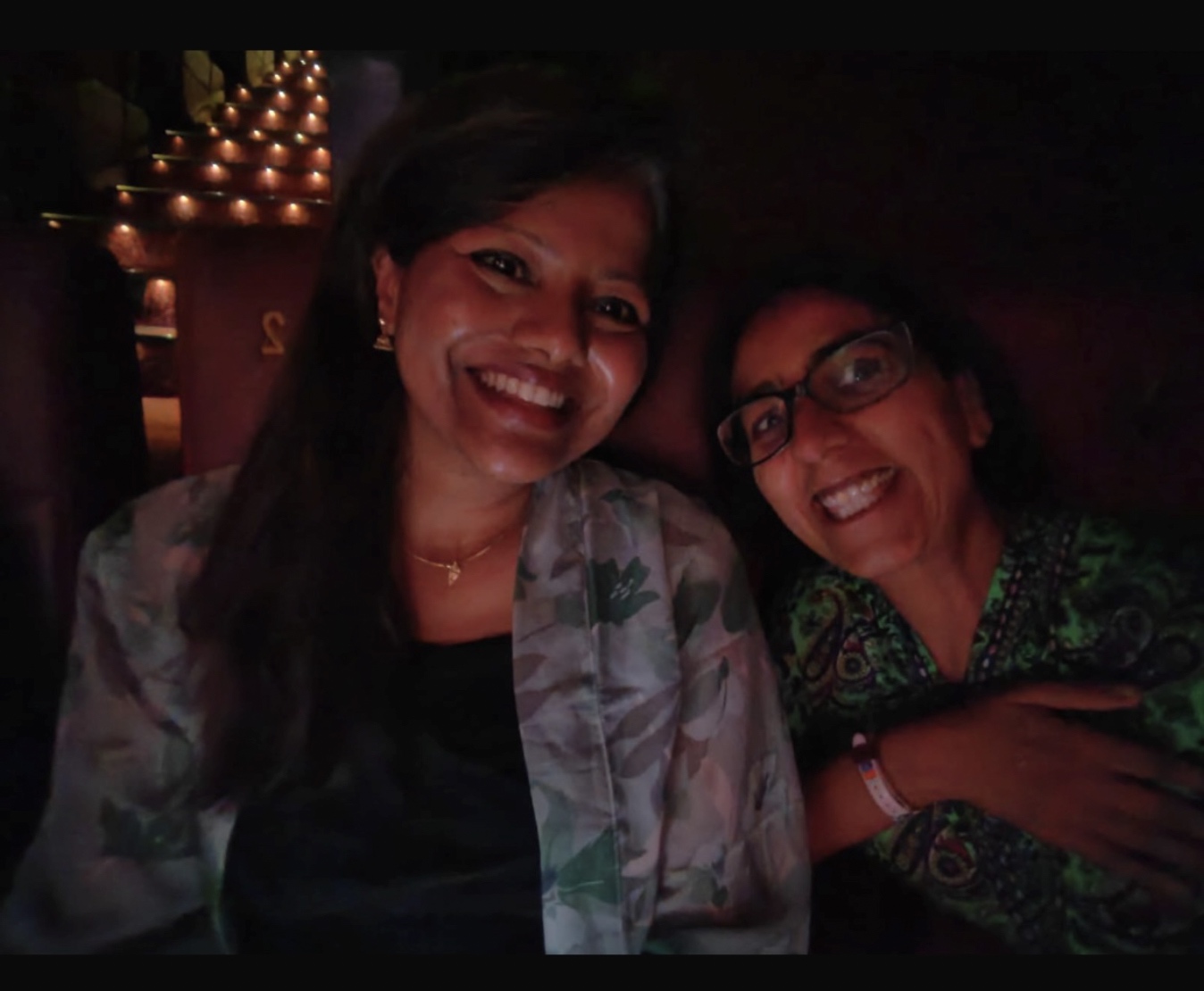
What moves me most in my new growing friendship with both of these lovely humans and their lovely kids is how little self-pity existed in either of them.
Neither wants sympathy. In fact, both almost resist it. Again and again, they returned to the same idea, Dexter has not made their lives smaller. He has expanded them.
He made them more compassionate. More patient. More aware of how differently human beings experience the world.
More accepting of progress over perfection.
More capable of joy in tiny things most of us overlook completely.
And that word, expanded, stayed with me.
Because inclusion is often spoken about like charity. Something generous people do for “those families.” But after meeting Dexter, I suspect inclusion is less about helping special children enter our fast paced world… and more about whether we are evolved enough to enter their human world “Paced in kindness” and dignity.
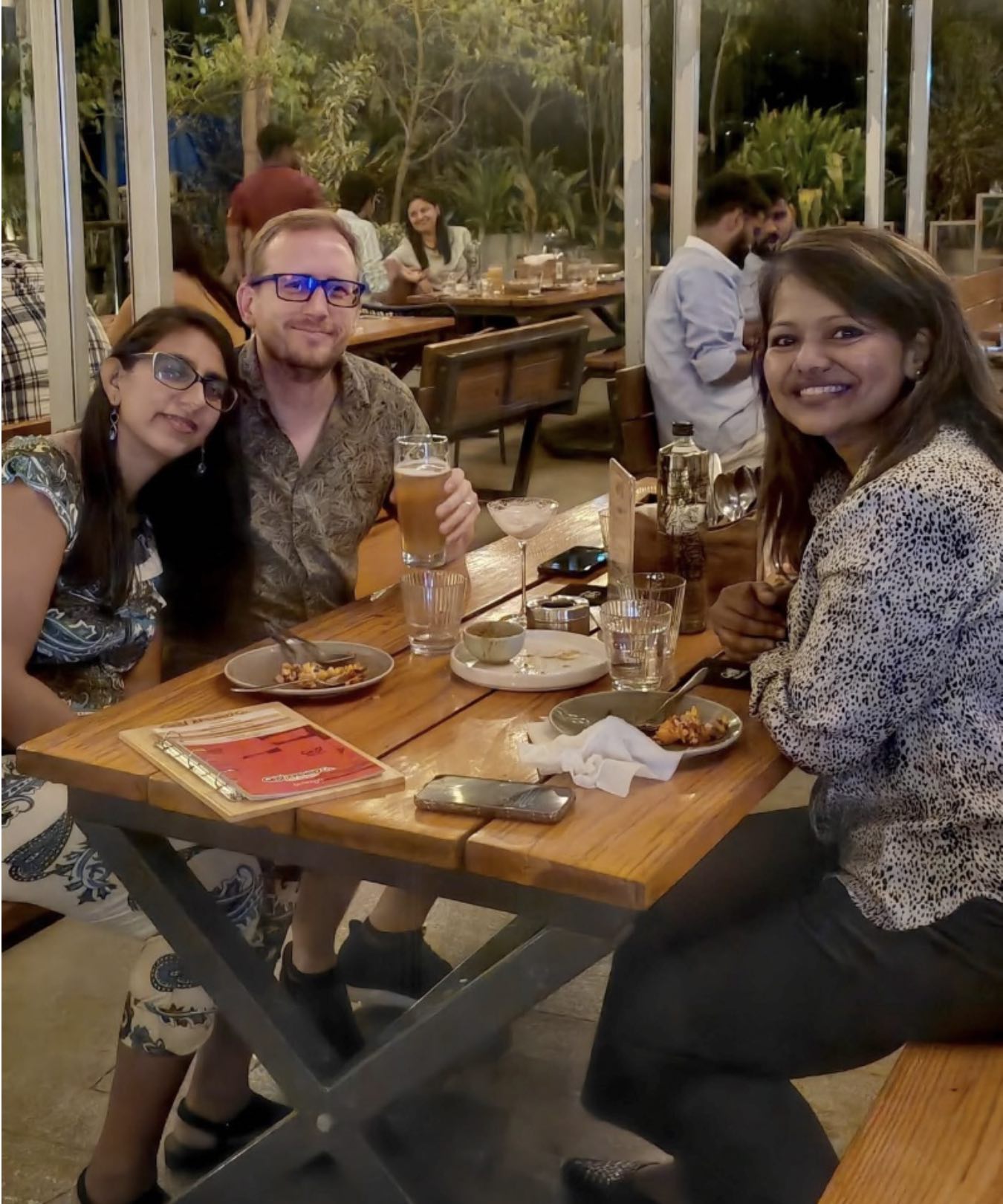
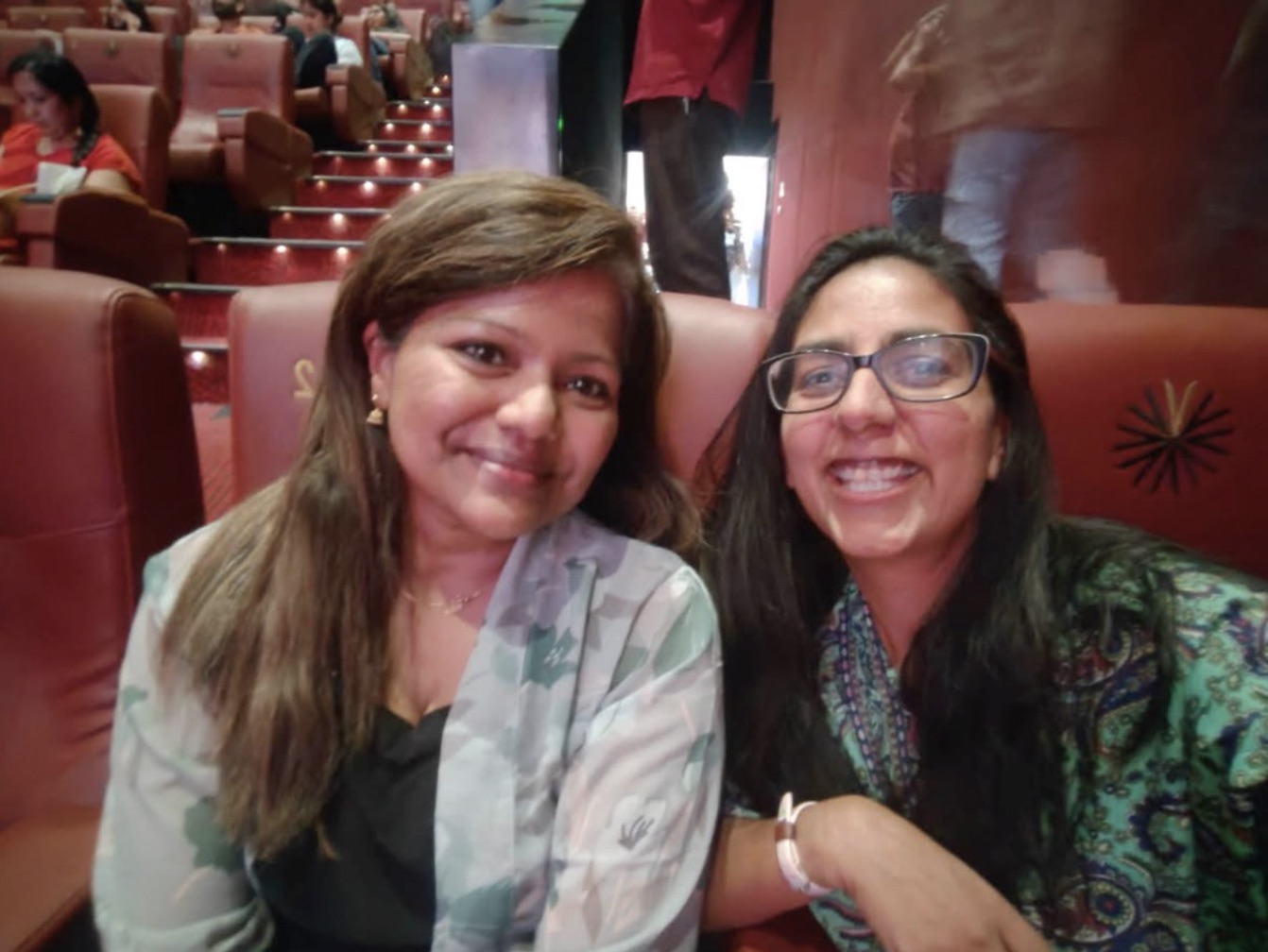
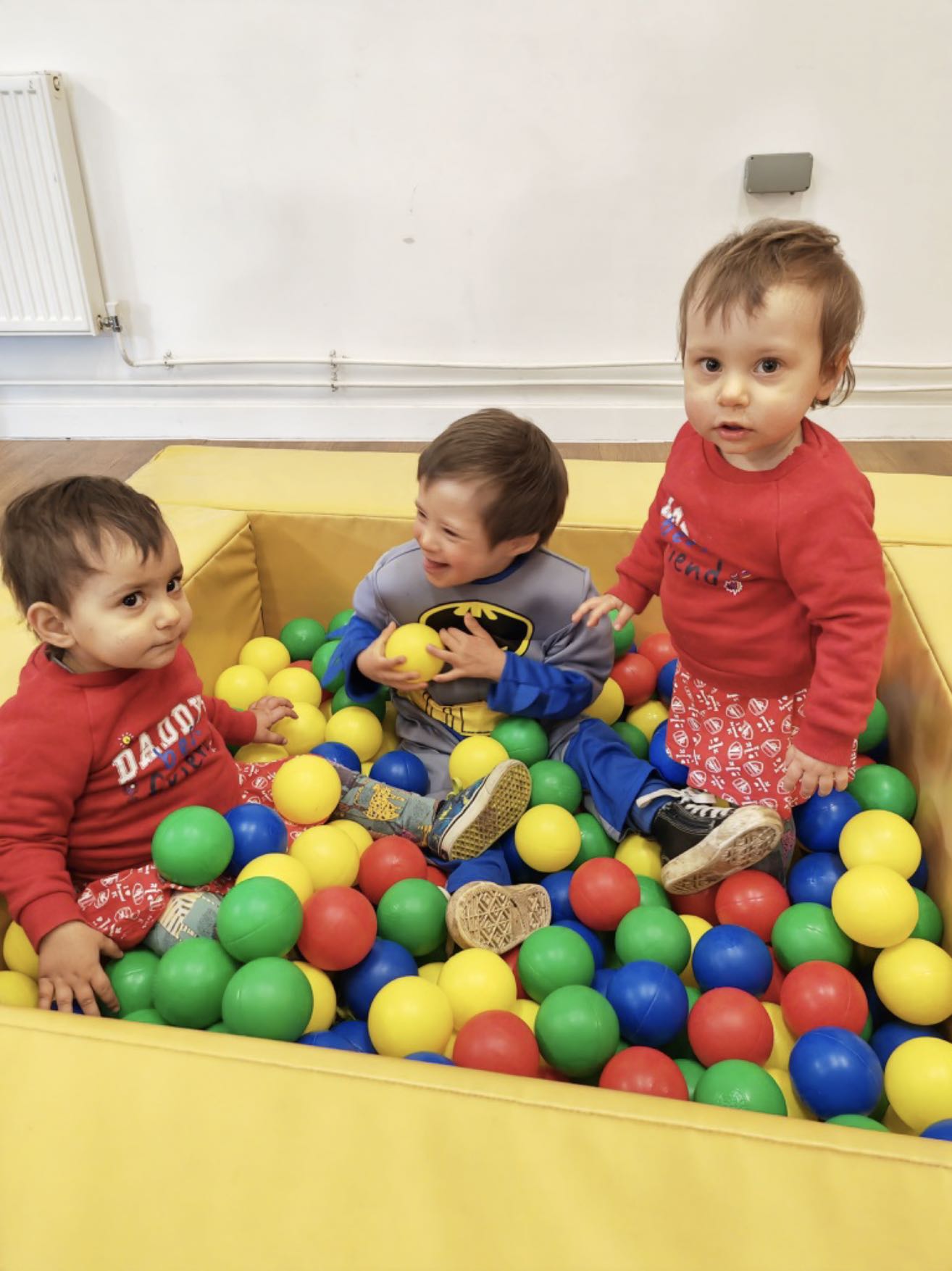
The younger twin sisters are growing up in a home where empathy arrived early. The kind of children who instinctively slow down when Dexter needs regulating, who celebrate tiny victories other families may overlook, and who have learned that communication is not always verbal. One may naturally become the playful entertainer, singing songs, pulling him into games, making him laugh during difficult moments, while the other quietly watches over him in public spaces with the fierce alertness only sisters possess. Not out of burden, but out of attachment.
What struck me most was that the girls did not behave like children “sacrificing” their childhood for a sibling with additional needs. They behaved like sisters. Loud, affectionate, occasionally impatient, deeply protective sisters. And perhaps that is the healthiest thing of all, when inclusion becomes so natural inside a family that it no longer feels like effort, only love with different rhythms. Watching the twins around Dexter was quietly moving. There was no performance to it. No saintly sibling energy social media loves to romanticise. Just familiarity. One adjusted his headphones without being asked. Another pulled him excitedly toward something she knew he would enjoy. They seemed to understand instinctively that love sometimes looks like translation, helping someone else feel safe inside a world that can often feel too loud.
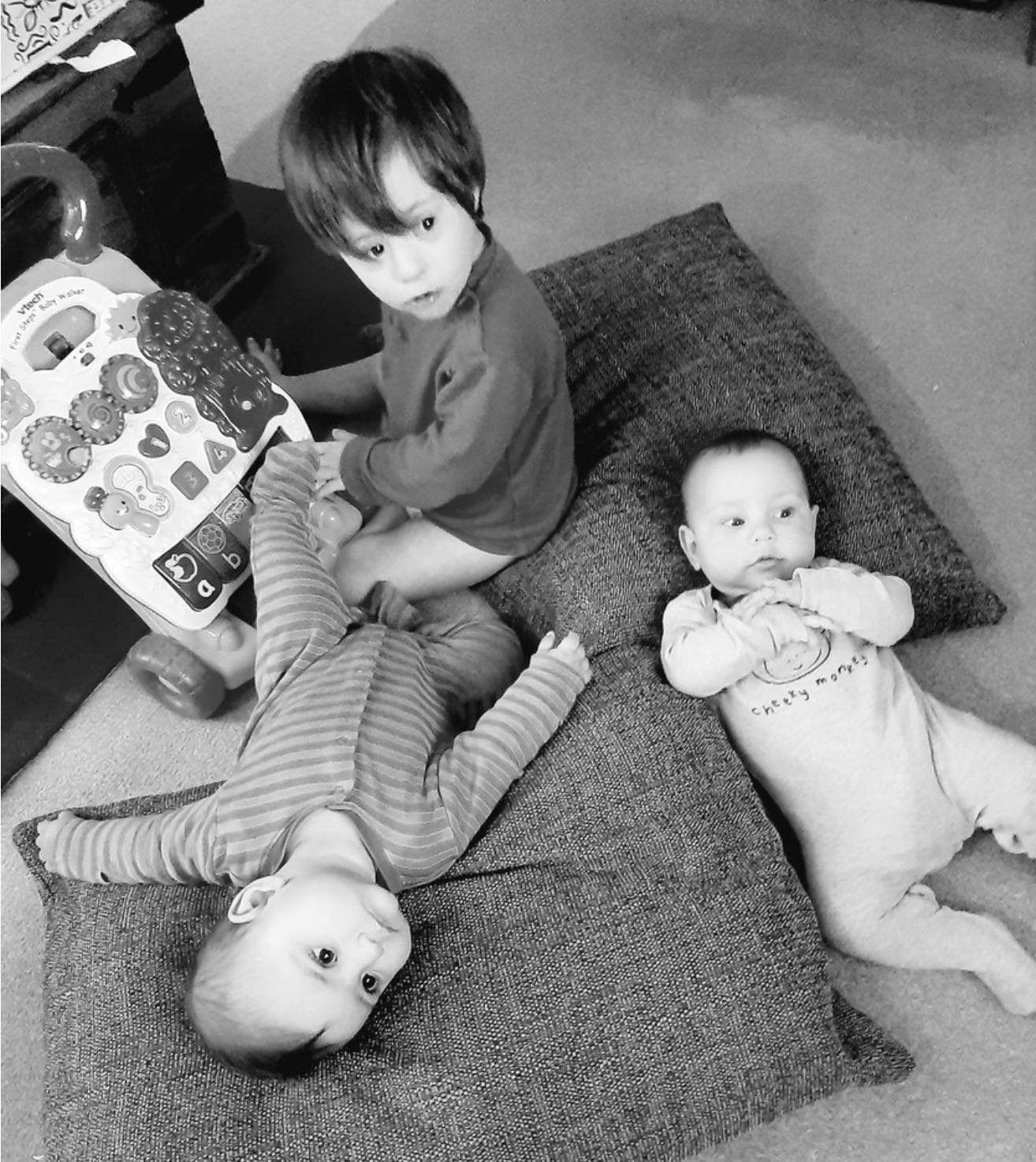
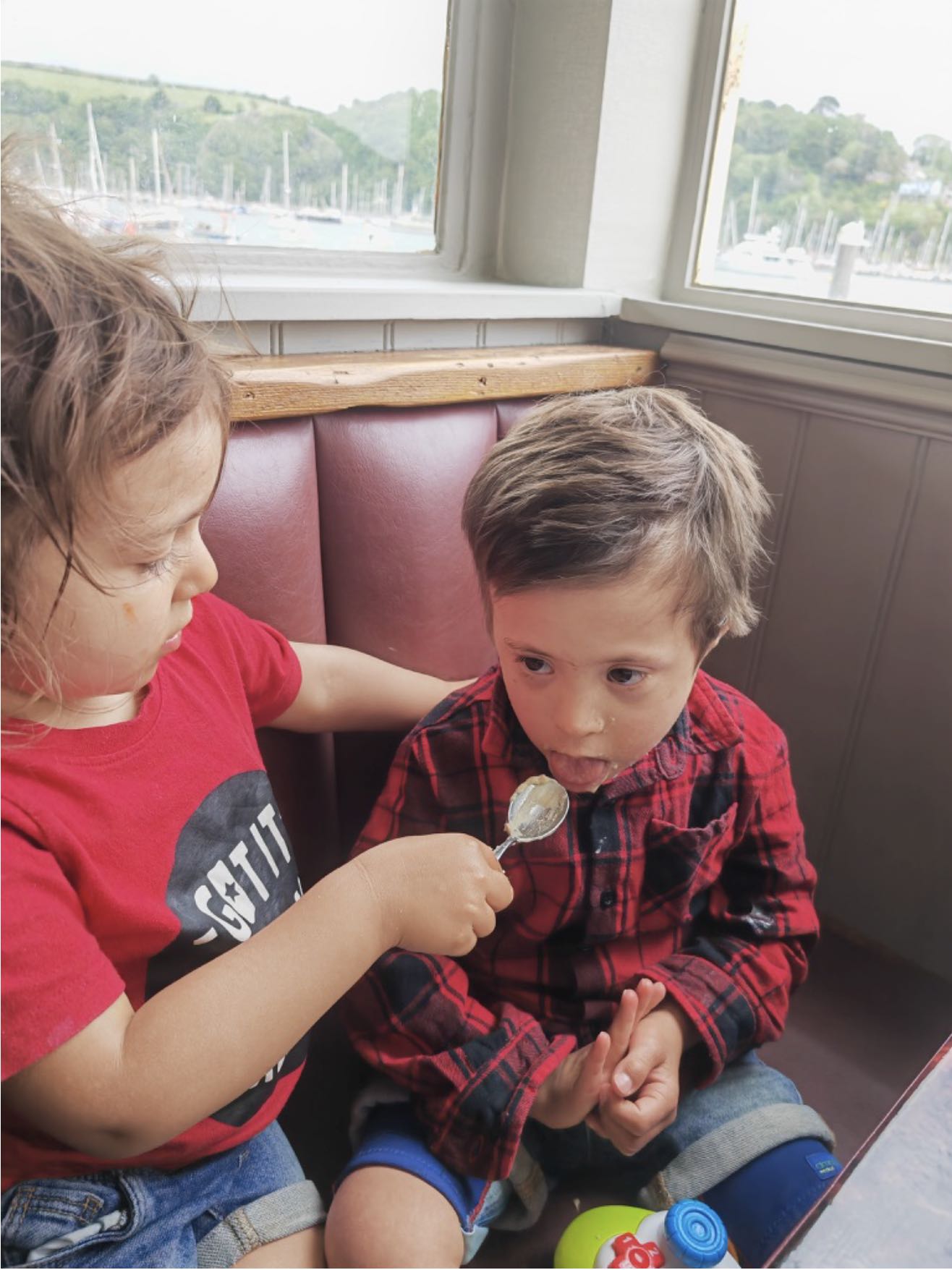
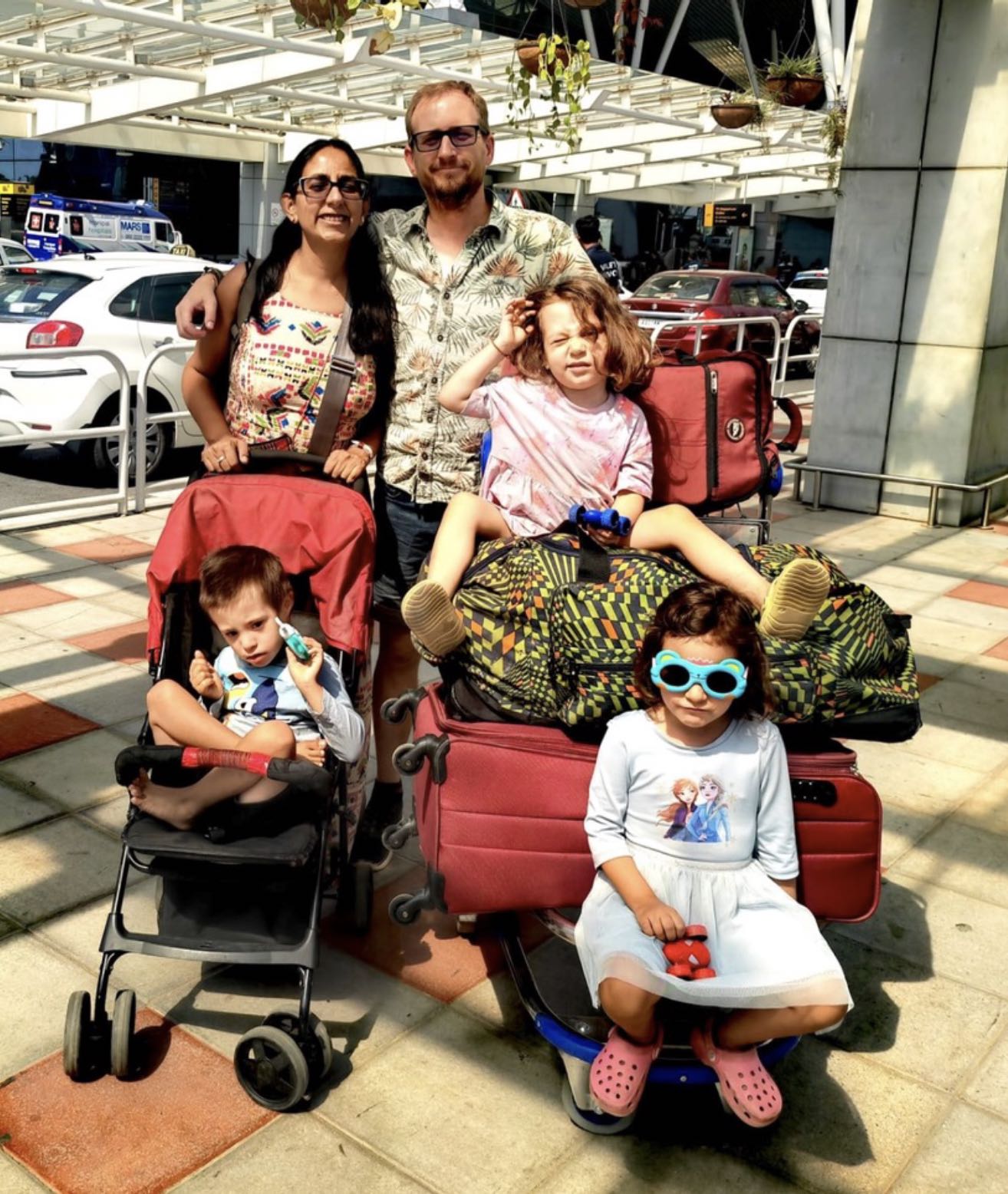
Anjali and Simon speak about playgrounds where children stare. Public spaces that overwhelm sensory systems. Schools that still confuse accommodation with inconvenience. Families exhausted from fighting for rights that should already exist. Parents becoming therapists, educators, advocates, carers, administrators, and crisis managers simultaneously. Quietly. Repeatedly. Without applause.
They do not want miracles.
They want ramps.
Accessible toilets.
Inclusive classrooms. Teachers trained in neurodiversity.
Sensory-aware public spaces. Shorter therapy waiting lists. Basic respect.
Most importantly, they want what every parent wants: For their son to grow up loved, safe, included, and allowed to exist without constantly proving his worth.
That should not be revolutionary.
And yet somehow it still is.
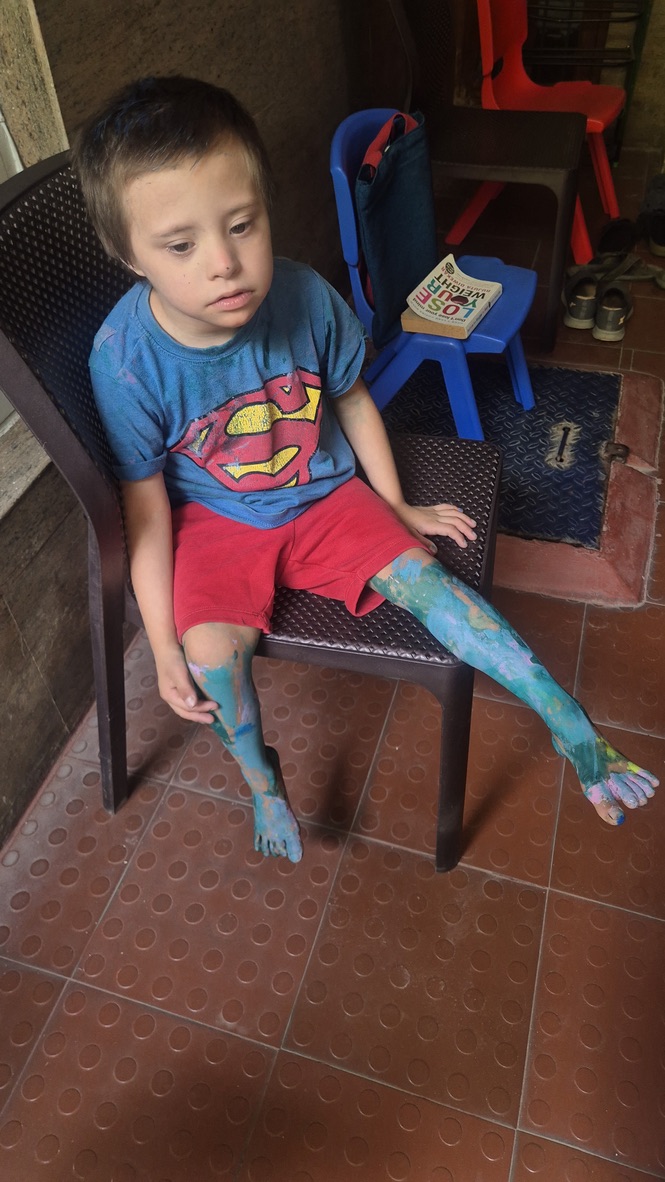
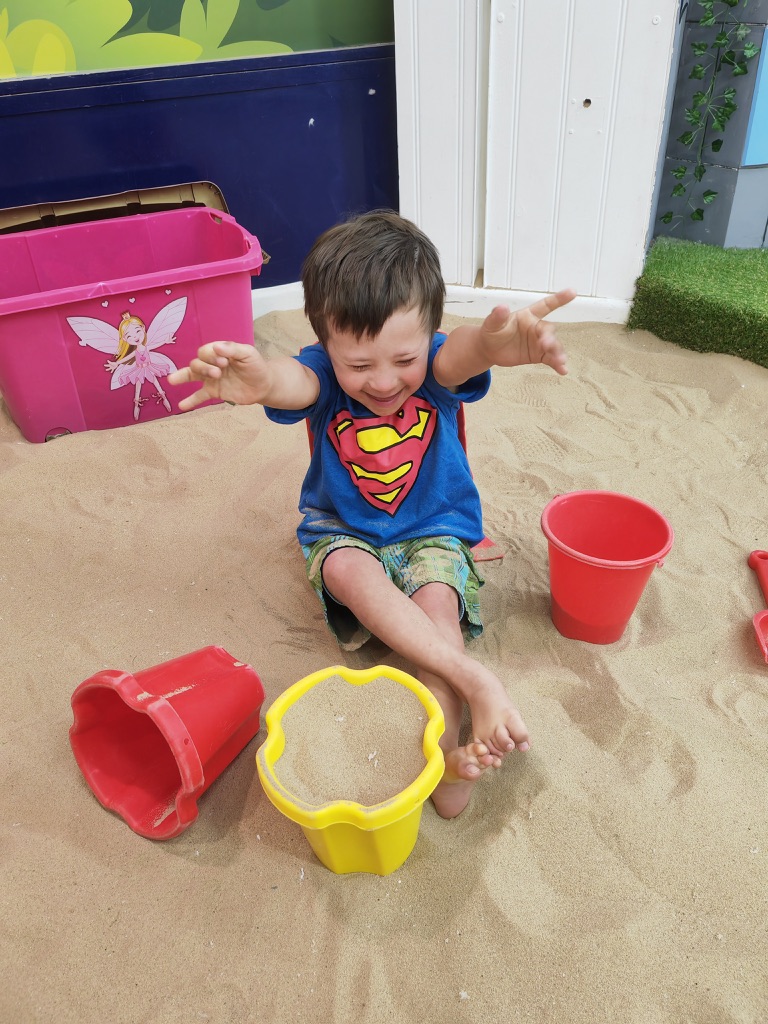
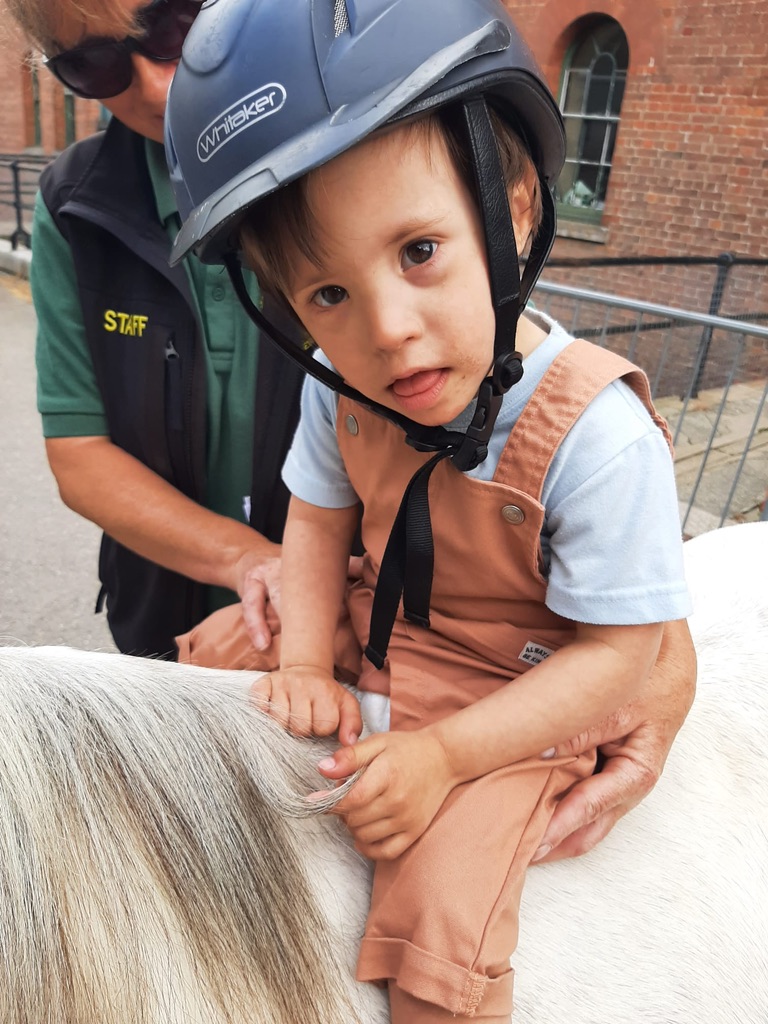
What I admire most about both of them is that they refuse to reduce Dexter to “special” in the patronising way society often uses the word.
He is simply a child. A funny, sensory-seeking, music-loving, deeply human child navigating a world not designed with him in mind.
And maybe that is the real test of civilisation.
Not how loudly we speak about inclusion online.
But whether a child like Dexter can enter a restaurant, school, playground, airport, classroom, or birthday party and feel he belongs there without his parents bracing themselves first.
Whenever I catchup with them, I always notice Dexter light up at something most adults would not even notice, movement, sound, rhythm, connection. Pure uncomplicated delight. And I remember thinking: Perhaps the luckiest people are not the ones raising “perfect” children.
Perhaps the luckiest are the ones whose children quietly teach them how to become better humans.
Maybe one day, years from now, when the twins are adults navigating careers, relationships, and homes of their own, they will realise Dexter gave them something the world struggles to teach even grown people, how to notice vulnerability without discomfort, difference without judgement, and humanity without conditions.
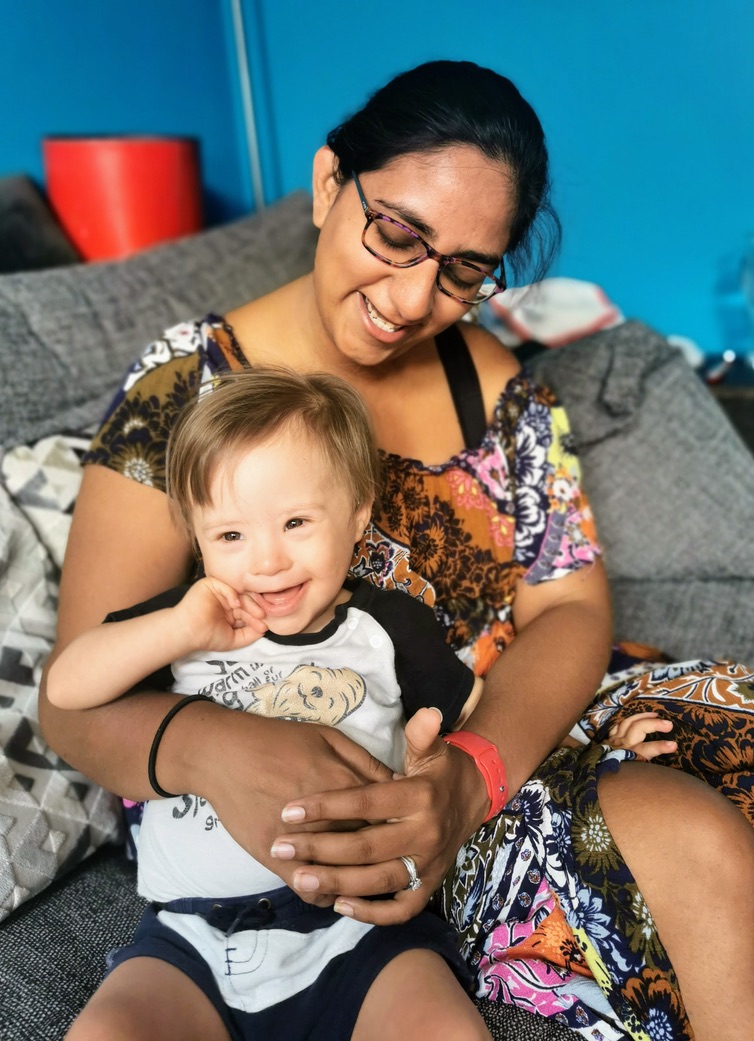
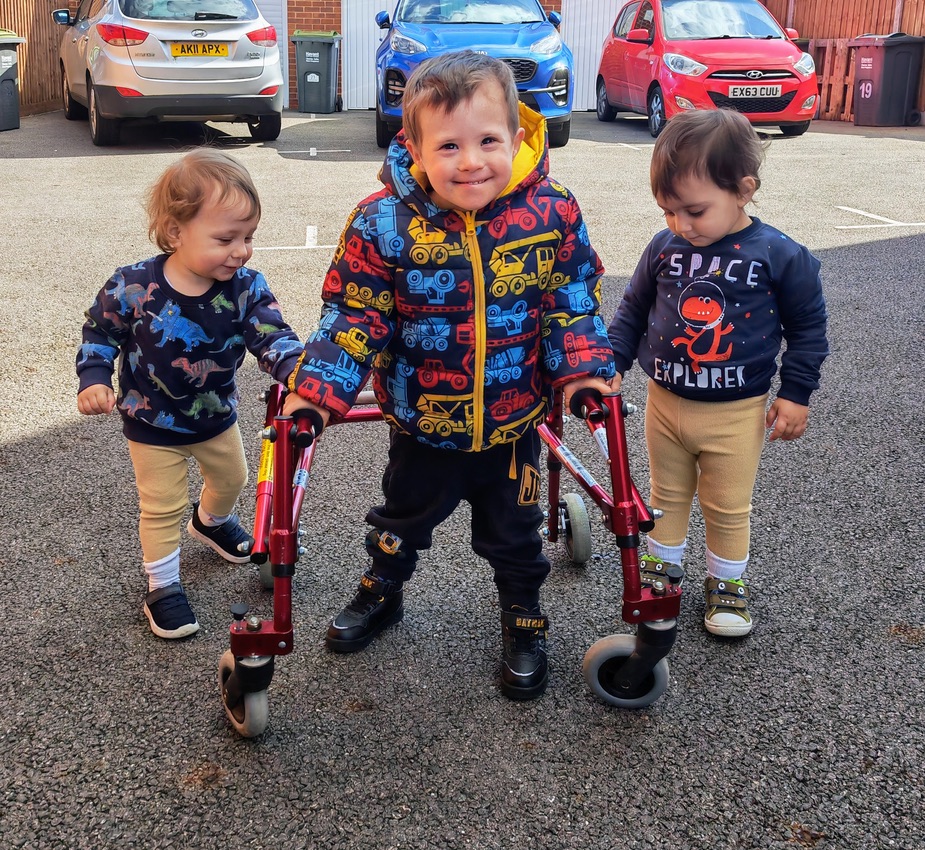
Anjali and Simon are tired sometimes. Worried often. Overstretched almost always. But watching them with Dexter, there was something else too.
Tenderness without performance.
Love without conditions. And in a world increasingly obsessed with achievement, productivity, perfection, and appearances, that felt unusually sacred.
So this week’s entry from the diary of the Luckiest Girl is not about glamorous success stories or curated lives.
It is about a little boy who loves music and rain.
Two parents learning courage in real time.
Two little sisters learning empathy before algebra.
And a reminder to the rest of us that inclusion is not kindness.
It is civilisation.