
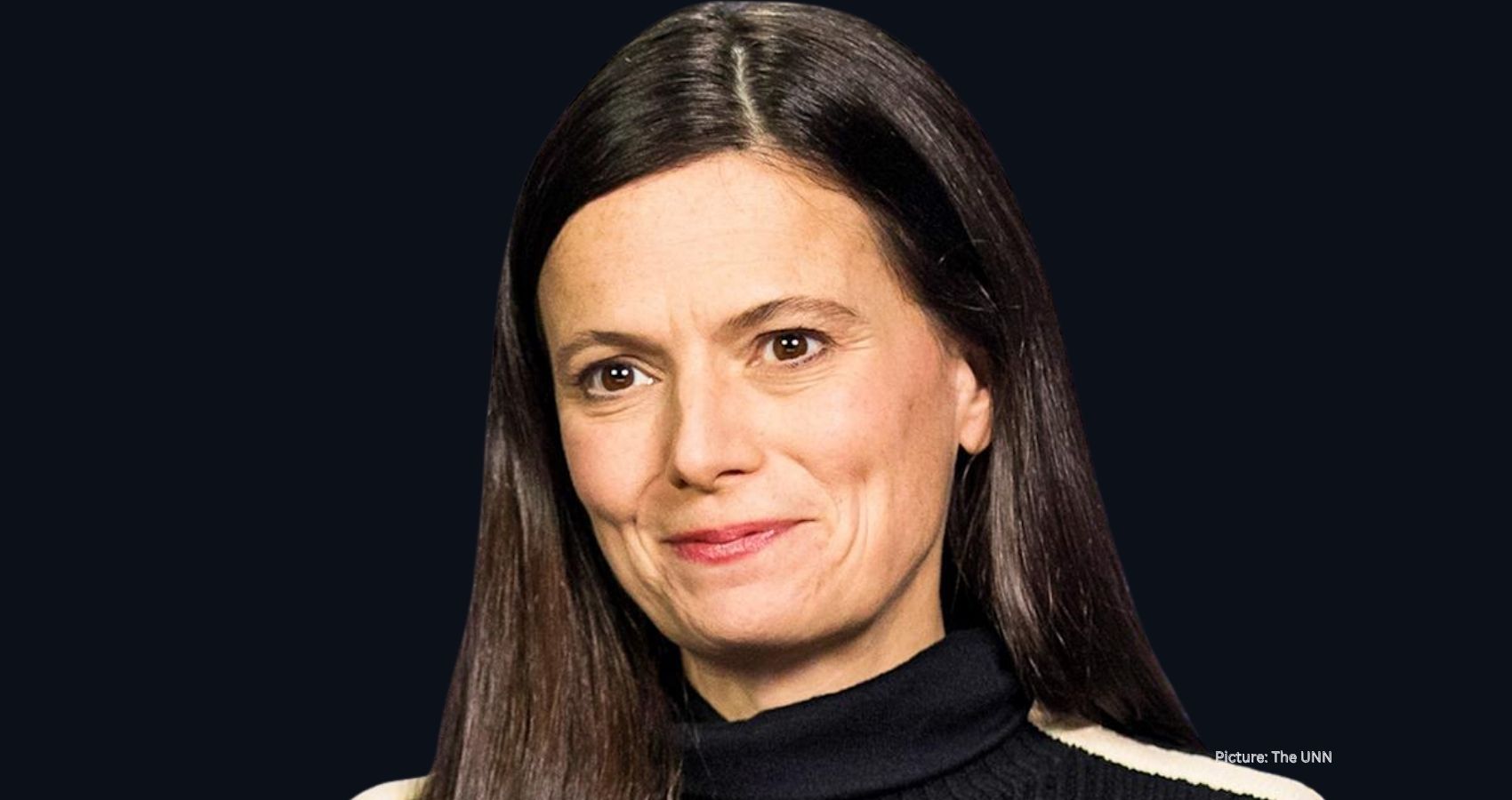
This year’s Fortune Most Powerful Women in Business list highlights 100 influential female leaders, with Citigroup’s Jane Fraser leading the way, showcasing women’s growing impact across various industries.
On October 3, 2026, Fortune magazine unveiled its 29th annual Most Powerful Women in Business list, celebrating 100 of the world’s most influential female leaders across diverse sectors, including finance, technology, healthcare, and energy. Jane Fraser, the Chair and CEO of Citigroup, graces the cover of the June/July 2026 issue as the Most Powerful Woman in Business.
This prestigious list not only recognizes women who are currently shaping the global business landscape but also highlights those poised for greater influence in the future. The 2026 iteration features leaders from 94 companies, including 50 from Fortune Global 500 firms, emphasizing the growing global scope and recognition of female executives in high-ranking positions.
The female leaders included in this year’s list collectively oversee approximately 11.8 million employees and generate an impressive $7.3 trillion in annual revenue. The rankings reflect a diverse array of executives: 39 from Fortune 500 companies, 18 from Fortune 500 Europe companies, five from Fortune 500 China companies, and two from Fortune Southeast Asia 500 companies. This wide representation spans 20 countries and territories, illustrating the extensive global impact of these leaders.
The United States leads with the highest number of female executives on the list, followed by mainland China, which boasts nine representatives. France and the United Kingdom each contribute six women to the rankings. Other countries with notable representation include Brazil, Germany, and the United Arab Emirates with three each, while Australia, Hong Kong, and Spain are represented by two each. Additionally, countries such as India, Japan, Mexico, the Netherlands, Sweden, Switzerland, and Taiwan each have one representative, further demonstrating the significant global footprint of female leadership.
Within the list, the technology and finance sectors remain dominant, featuring 27 and 26 women, respectively. Notable figures include Yi He from Binance, who ranks 64th, and Fidji Simo, CEO of AGI Deployment at OpenAI, who is ranked 28th. The representation of women in traditionally male-dominated industries underscores a progressive shift in corporate leadership dynamics. Furthermore, Meg O’Neill, the first female CEO of BP, makes her debut on the list at 16th place, marking a significant milestone in the energy sector.
The ongoing rise of artificial intelligence (AI) is also reflected in the rankings, with leaders like Amy Hood from Microsoft at 38th place actively contributing to critical spending decisions that will shape the future of their respective industries and the global economy. As AI technology continues to evolve, women are increasingly taking prominent roles in shaping its direction and application across various sectors.
This year’s list introduces 16 newcomers, representing a broad range of industries and backgrounds. Among these rising stars are Gunjan Kedia, Chairman and CEO of U.S. Bancorp, who ranks 14th; Kecia Steelman, President and CEO of Ulta Beauty at 39th; Latriece Watkins, President and CEO of Sam’s Club at 87th; Anna Manz, Executive Vice President and CFO of Nestlé at 91st; and Christina Zhu, President and CEO of Walmart China at 92nd. The emergence of these leaders exemplifies the increasing influence of women in sectors that have historically been male-dominated, contributing to a more diverse and representative business landscape.
The Fortune Most Powerful Women in Business list serves as a critical barometer of societal progress concerning gender representation in leadership roles. The increasing visibility and influence of women across various sectors may foster further efforts toward gender equity and inclusivity in corporate environments. The recognition of these leaders also underscores the importance of mentorship and support systems that enable women to ascend to top positions within their organizations.
Overall, the 2026 list reinforces the notion that women are not only breaking barriers in their respective fields but are also driving significant change in the global economy. By showcasing these leaders, Fortune aims to inspire future generations of women to pursue leadership roles and actively participate in reshaping the business landscape worldwide. As these influential women continue to pave the way for future leaders, their impact is likely to resonate across industries, inspiring a more equitable and empowered workforce.
As the business world evolves, the recognition of female leaders in influential positions serves as a testament to the strides made toward gender equality in corporate leadership. The stories and achievements of the women highlighted in this year’s list not only celebrate their individual successes but also represent a collective movement toward a more inclusive future in business. With the ongoing push for diversity and representation, the next generation of female leaders may find inspiration in the accomplishments of those who have come before them, propelling further progress in the years to come, according to Fortune.