
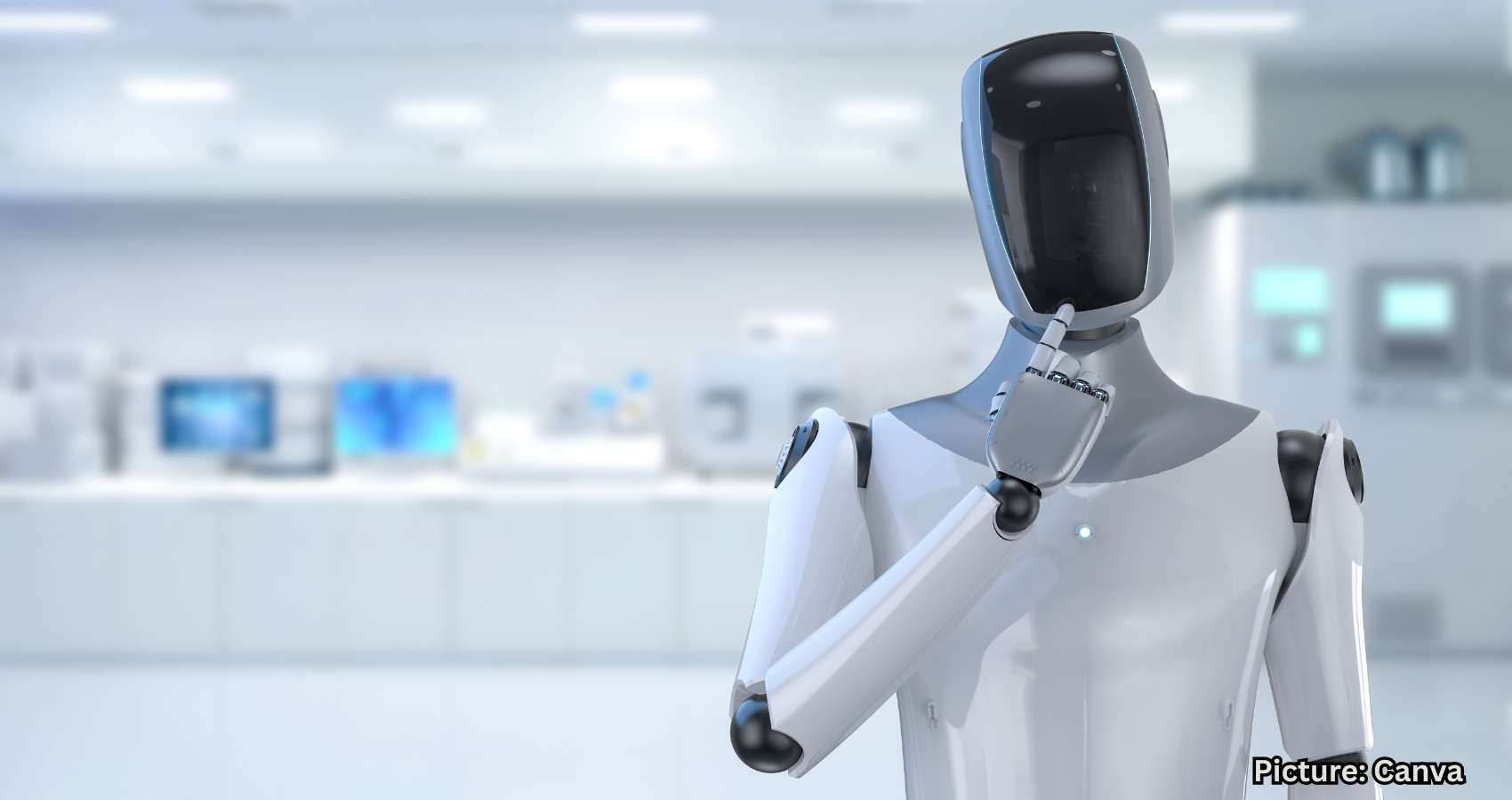
Figure AI’s humanoid robots have successfully completed over 24 hours of continuous autonomous package sorting in a warehouse, raising questions about the future of automation in labor-intensive roles.
Figure AI, a California-based robotics startup, has announced a significant milestone in warehouse automation. The company claims that its three humanoid robots achieved over 24 hours of continuous autonomous package sorting during a recent test, far exceeding the original goal of eight hours.
The robots, powered by Figure AI’s Helix-02 artificial intelligence system, sorted small packages around the clock without any human intervention. This impressive feat was streamed live, allowing viewers to witness the robots in action. As the test progressed, the robots were affectionately nicknamed Bob, Frank, and Gary by online viewers, prompting Figure AI to add visible name tags to enhance the viewer experience.
The task at hand may seem straightforward: pick up a small package, scan the barcode, and place it on a conveyor belt with the barcode facing down. However, warehouse work requires consistent movement, quick decision-making, and the ability to adapt to unexpected challenges. According to Figure AI, the robots sorted more than 28,000 packages during the test, operating at speeds comparable to human workers.
Brett Adcock, CEO of Figure AI, noted that the robots’ ability to operate without any reported failures led the company to extend the test beyond its initial timeframe. The Helix-02 system is described as a neural network that integrates vision, touch sensing, body awareness, and movement control, enabling the robots to perform complex tasks such as balancing, gripping packages, and adjusting posture in response to their environment.
One of the standout features of Helix-02 is its capacity for self-recovery. The system can automatically reset a robot if it encounters an obstacle or an unexpected situation, which is crucial for maintaining productivity in real-world environments. A robot that can pause, reset, and resume work is far more valuable than one that requires frequent human assistance. Additionally, if a robot experiences a software or hardware issue, it can leave the work area for maintenance while another robot takes over, ensuring continuous operation.
Figure AI faces competition from other companies, including Tesla, Agility Robotics, and Apptronik, all of which are developing humanoid robots for similar applications in warehouses and factories. The company has already conducted tests of its robots at BMW manufacturing facilities in South Carolina, suggesting that this technology may first be implemented in controlled industrial settings before making its way into everyday life.
Package sorting serves as a tangible demonstration of the technology’s capabilities. If robots can efficiently handle repetitive tasks for extended periods, businesses may begin to explore additional applications for automation. However, the next challenge for Figure AI will be to validate the robots’ performance beyond a single livestreamed event. Companies will seek to understand the frequency of failures, maintenance requirements, and the robots’ ability to navigate chaotic environments filled with varying package shapes and unexpected obstacles.
While the prospect of humanoid robots may seem distant for most consumers, their impact could soon be felt in familiar settings. Enhanced package handling could lead to faster delivery times, changes in how warehouses staff overnight shifts, and the use of robots to fill physically demanding or hard-to-staff roles.
However, the rise of automation also raises concerns about job displacement. A robot capable of working long hours without breaks may be impressive in a demonstration, but it also signals a deeper trend of automation encroaching on traditional labor roles. Despite this, it is important to note that not all warehouse jobs will disappear. Real-world environments are often messy and unpredictable, requiring human problem-solving skills that robots currently lack.
Figure AI’s recent test illustrates that humanoid robots are moving beyond mere prototypes toward practical applications in the workplace. The robots’ performance in sorting packages highlights the potential for automation to take on mundane tasks, allowing human workers to focus on more complex responsibilities.
As the technology continues to develop, questions remain regarding cost, safety, reliability, and real-world performance. Nonetheless, the demonstration suggests that humanoid robots could soon become a common sight in warehouses, fundamentally changing the landscape of labor in the process.
Would you feel comfortable knowing your next package was sorted by a humanoid robot? Or does this advancement raise concerns about the future of job automation? Share your thoughts with us at CyberGuy.com.
According to Fox News, Figure AI’s 24-hour package-sorting run marks a significant step forward in the evolution of warehouse automation.