
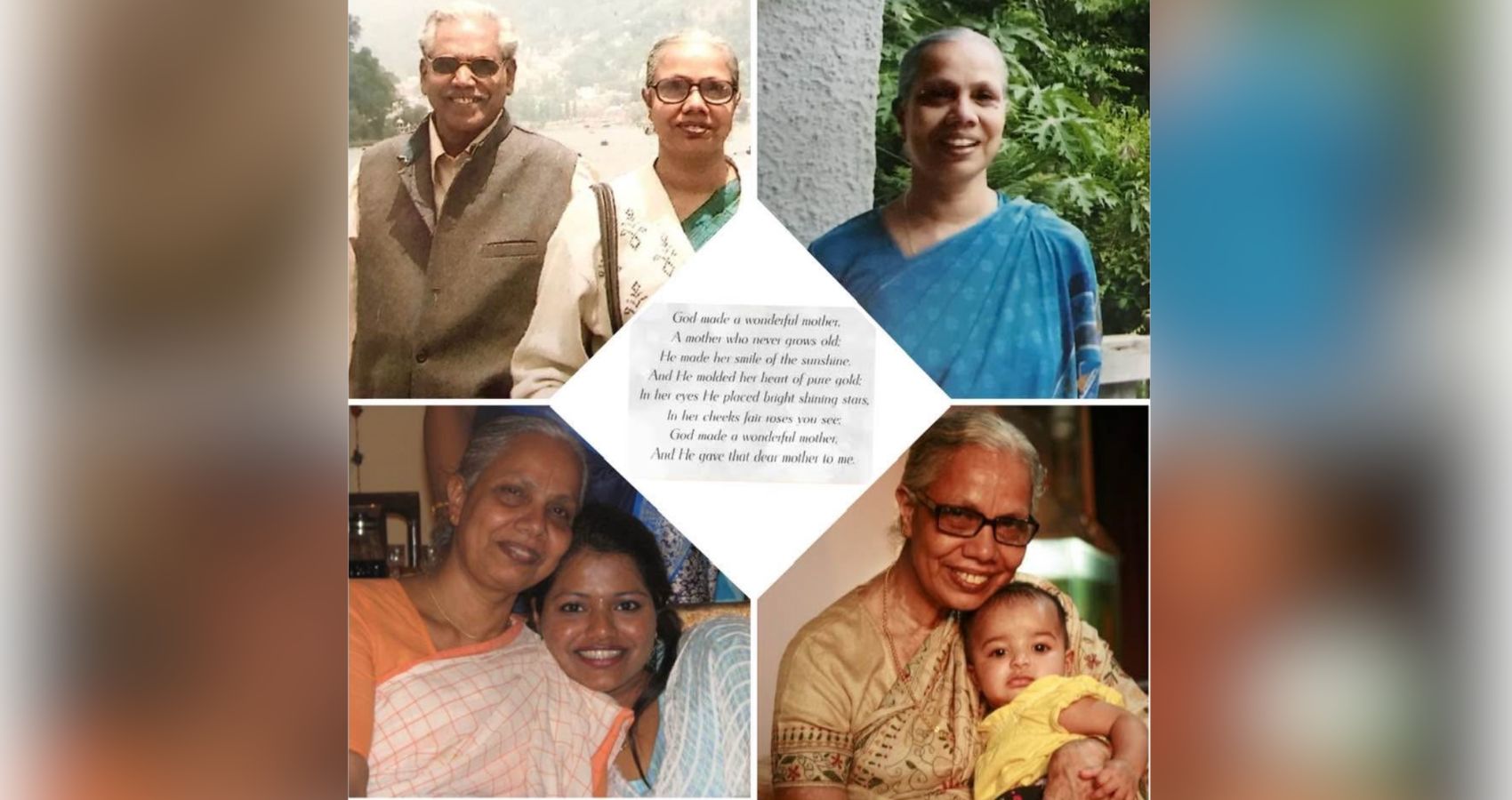
There are people who pass through life, and then there are people who become the emotional architecture of an entire family. My mother belongs to the second kind. She did not merely raise us; she built the atmosphere in which we learned how to live, how to love, how to trust, and how to return to ourselves when life became difficult.
As Mother’s Day and her birthday arrive together this year, I find myself returning not to one grand memory, but to thousands of small, glowing moments stitched together so tightly that they became my childhood itself. Mothers like my mum do not merely raise children; they alter the emotional climate of entire generations. Even now, I measure safety by the memory of her footsteps moving through a kitchen before sunrise.
When I think of my childhood, I do not first remember a house or a city. I remember a feeling. When I think of my mother, I think first of safety.
Not the loud kind. Not dramatic declarations. But the quiet, unwavering certainty that someone was standing behind me, watching over me, carrying more than I understood at the time. She was my shelter long before I knew the world could be harsh. She was my first understanding of strength that did not need applause. She was my shelter long before I knew the world could become unkind. The safest place I have ever known was not a house or a city, it was simply being near her.
She is the reason I still believe people are fundamentally good.
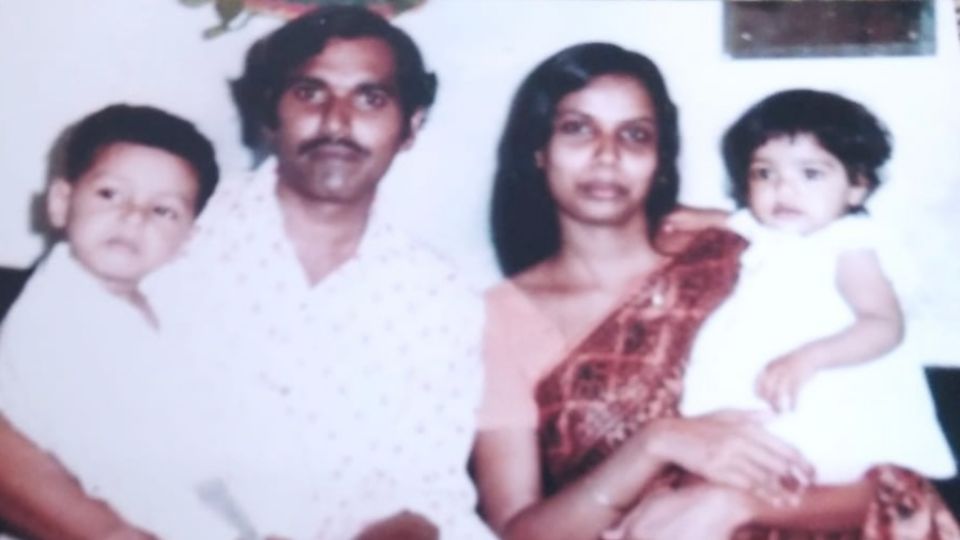
She taught us that family was not limited to the walls of one home. Love, according to her, was expansive. Elastic. Meant to include cousins, aunts, neighbors, friends, guests, and anyone needing a seat at the table. She allowed my aunts to pamper me endlessly, and in doing so, she quietly taught me one of the greatest truths of life: we are not sustained by achievement nearly as much as we are sustained by relationships. A web of people constantly feeding, helping, checking in, showing up, laughing loudly, and carrying each other through difficult years. We do not survive alone. We are held together by webs of care, generosity, memory, and showing up for one another again and again.
Today, mothers of my generation read articles, save reels, buy parenting books, learn therapy language, and exhaust ourselves trying to become twenty different things for our children all at once. Emotional regulators. Memory makers. Safe spaces. Nutritionists. Cheerleaders. Homework managers. Mindful communicators. What amazes me now is that our mothers, without ever naming any of these things, practiced so many of them instinctively. They did not call it “creating emotional security.” They simply woke up every morning and repeated love consistently enough for it to become the architecture of our lives.
Our lives were modest, but you would never have known it from the abundance she created around us.
She made spectacular cakes shaped with imagination and love. She hosted parties large enough to include everyone we knew. She celebrated birthdays, festivals, exam results, tiny milestones, and ordinary weekends as though joy itself deserved ceremony. There was always room for one more person, one more cousin, one more plate at the table. She had the rare gift of making people feel wanted.
She made abundance out of ordinary life. In her hands, modest homes became gathering places, simple meals became celebrations, and tired children became people who believed the world would eventually be kind to them.
And somehow, she did all this while carrying responsibilities that would have exhausted most people. Modern families spend fortunes trying to “create memories.” Our mothers somehow created magic from very little. One special Sunday breakfast. One drive for ice cream. Cousins sleeping in crowded rooms. Steel tiffin boxes packed with care. New clothes folded for festivals. Excitement over absolutely ordinary things. They understood instinctively that joy did not come from luxury nearly as much as anticipation, repetition, and togetherness.
Family, for my mum, was sacred work.
A sibling’s request was never dismissed. Help was never measured by convenience. If someone needed something, she showed up. We were taught to pull our own weight, to be responsible, to contribute. And if we rebelled or made poor decisions, she did not waste energy chasing us with endless lectures. Instead, she allowed consequences to teach us. There was strength even in her silence.
Some of my most tender memories are astonishingly ordinary.
The first five minutes after waking up as children always began the same way: with milk brought to us before the day properly started. She insisted on sleep, consistency, nourishment, and health long before “wellness” became fashionable. She was a walking reminder that caring for a family is often hidden in repetitive, unglamorous acts no one applauds enough.
Only now, as an adult, do I understand how much of parenting is protection disguised as persistence. I did not realize then that being constantly checked on, fed, waited for, and worried over was a form of wealth. Some children inherit property; I inherited emotional shelter.
And yet during exam seasons, that same disciplined woman would quietly appear beside our beds late at night carrying snacks and milk shakes because she feared we might fall asleep hungry while studying.
That was her contradiction, structured yet soft, strong yet endlessly nurturing.
Only now, as a woman myself and parenting teen, do I understand how much love hides inside repetition.
The older I grow, the more I understand that her love was never loud performance. It was repetition. Milkshakes during exam time, extra salad on the plate and waiting awake for the sound of us returning home.
Today people speak beautifully about “mindful parenting” and “being emotionally present.” But our mothers practiced presence in far less glamorous ways. They came home tired and still asked about our exams, our friends, our plans for the next day. Even exhaustion did not stop their attentiveness. Love often sounded like practical instructions shouted from kitchens:
Eat before you leave.
Take fruit.
Don’t skip meals.
Message when you reach.
We laugh about these things later in life only because they became so constant we mistook them for ordinary.
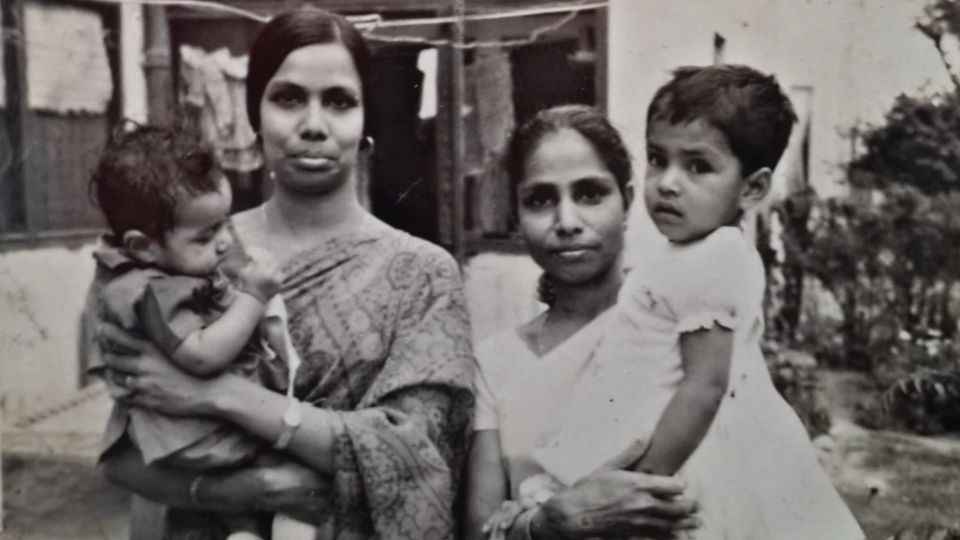
She came to a new city from Kerala with almost nothing except courage, resilience, and the support of her sisters. I still do not fully understand the caliber of strength that required. She built a life from uncertainty while smiling through struggles that could easily have hardened someone else. She and my father created our home from the ground and made it a place where both of us siblings thrived tremendously. Even when my father had to leave his job early because of his lifethreatening illness, she somehow protected us from the weight of financial fear all those years while bearing the mental load all alone. We completed our education never fully realizing how thinly stretched she truly was. There was no dramatic speech about sacrifice. She simply carried it.
At the time, my brother and I quietly began helping where we could. I started taking tuitions. My brother worked after college to support some of his own expenses. We understood instinctively that home needed us too. Yet even during those difficult years, she remained the same person who sat beside effort and encouraged perseverance, who celebrated every honest attempt at doing our best. She never pressured us to become extraordinary or compared us to any of our peers. She simply asked us to be responsible and sincere. And perhaps that is why we grew up with confidence instead of fear.
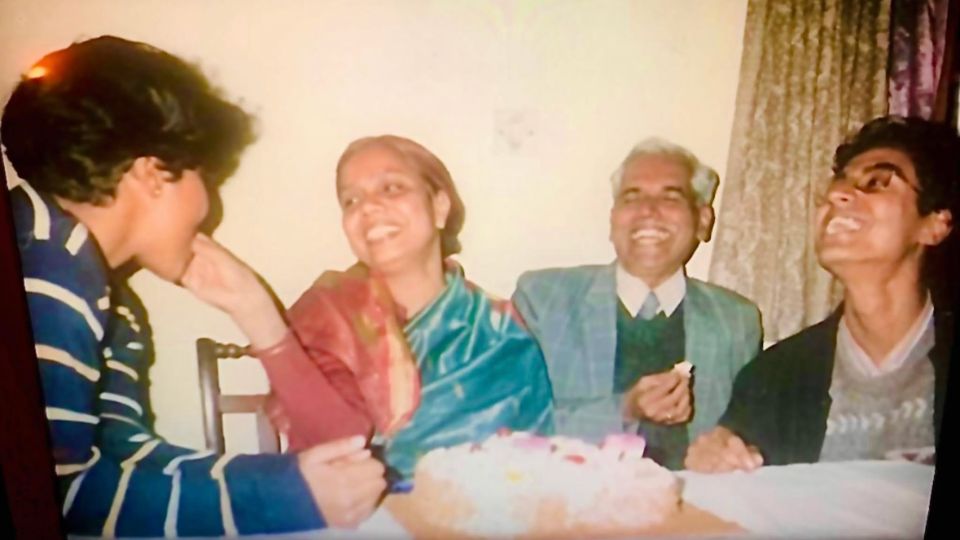
Our childhood was rich in the ways that truly matter. We were loved not just by our parents, but by an entire ecosystem of aunts and uncles who treated us like their own children, a direct reflection of the bonds our mother nurtured throughout her life. Their affection gave me confidence as a young girl. It taught me I was worthy of care, worthy of attention, worthy of belonging. Even today, I carry that invisible security into rooms she has never entered herself.
Our parents’ generation did something quietly extraordinary. They allowed children to slowly discover adulthood instead of over-managing every emotion and every mistake. We were allowed boredom. Cousins. Wandering. Responsibility. Consequences. We learned competence not from motivational speeches but from participation in family life itself.
Long before I learned confidence from the world, I borrowed it from the way she loved me, completely, casually, and without ever making me earn it.
She taught us joy was not reserved for luxury.
It could be found in an ice cream outing on our fathers yellow Bajaj Chetak, a weekend tandoori chicken meal, cousins squeezed together in noisy rooms, festivals celebrated enthusiastically, or simply everyone eating together after a long week. After working exhausting days and managing impossible schedules, she still came home asking about our friends, our plans, our next day. She was always emotionally present, even when physically exhausted.
That may be her greatest gift of all.
Presence.
Not perfection. Not performance. Presence.
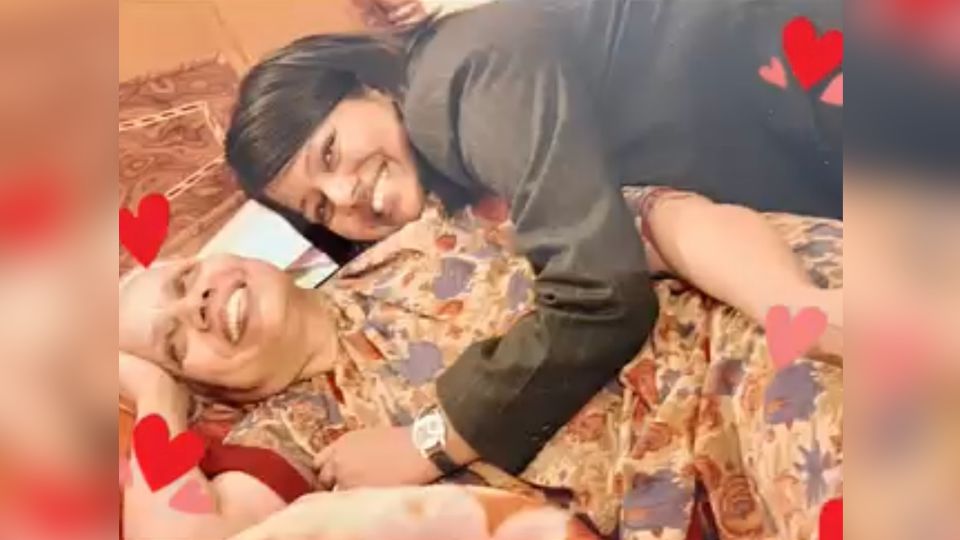
My mother has always been deeply giving, fiercely resilient, emotionally honest, and incapable of being fake.
She could make life light for others even while carrying overwhelming burdens herself. She is warm, affectionate, nurturing, and endlessly generous, yet also fiercely vocal against injustice. She does not quietly accept being taken for granted. Even when life has been unfair to her, even when she has been physically overwhelmed or emotionally exhausted, she has continued to show up with grace and strength. That balance, softness without weakness, is something I admire more deeply as I grow older.
She celebrates small wins. She loves loudly through food, concern, repetition, reminders, and showing up, even while she quietly suffers her recurrent belittling sensitive stomach flare ups over the last two decades. She never stopped being her real self. Even now, she remains the emotional backbone of our family, the person behind so much of what is good in us, especially for me.
And perhaps the strangest, most beautiful thing about adulthood is realizing you are slowly becoming your mother.
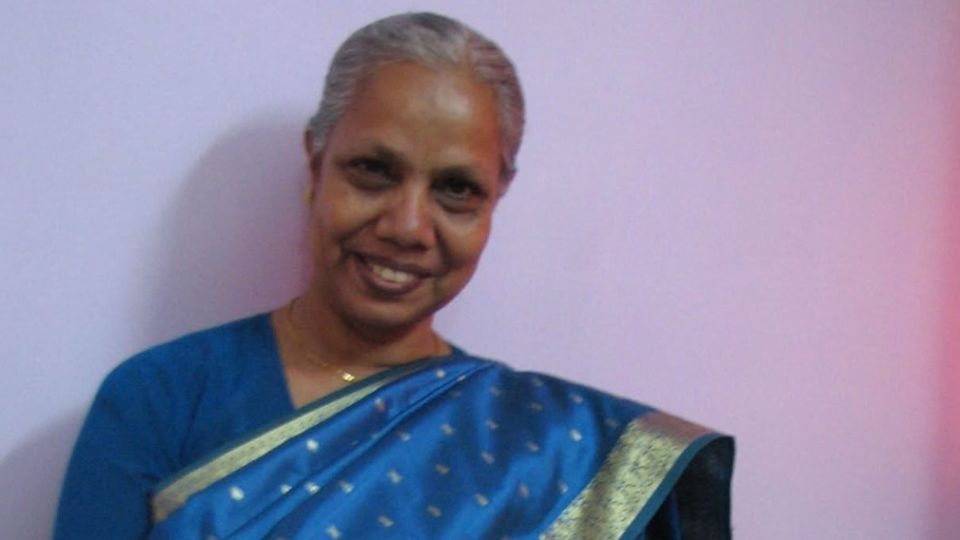
I hear it in the way I care for people. I see it in the way I celebrate small moments, feed others, worry about loved ones, create warmth in spaces, and hold our family together even when no one notices the effort. I see glimpses of her in me. The older I get, the more I understand that the best parts of me were first practiced by her.
Complicated, yes. Often absurd. Sometimes unintentionally hilarious. But not tragic. If anything, I have always considered myself deeply fortunate. Because despite every difficult season, I was raised by a woman who made life feel survivable. Perhaps that became my way of surviving too. This is only the first part of the story. There are still a thousand moments left to tell. A thousand ways she carried us, protected us, strengthened us, and loved us into becoming ourselves. But if I had to say one thing today, it would simply be this:
My mother is a living reminder that love is not only something we feel. It is something we do, consistently, quietly, courageously, over an entire lifetime.
And because of her, I remain what I have always been:
“The Luckiest Girl On The Planet.”